

How Smart Home Technology Is Changing Everyday Life in 2026
A smart home is a residence that uses connected technology to automate and control household functions. These functions include lighting, climate control, appliances, and security systems. The control can be manual through apps or automatic based on schedules, sensors, or user behavior. The main purpose is to improve comfort, efficiency, and safety through technology.
A traditional home relies on manual control for most tasks. Lights are switched on physically, thermostats are adjusted by hand, and security depends on basic locks. A smart home replaces these manual actions with automation and remote access. This not only saves time but also helps homeowners manage their homes more efficiently and securely, even when they are not present.
How Smart Home Technology Works
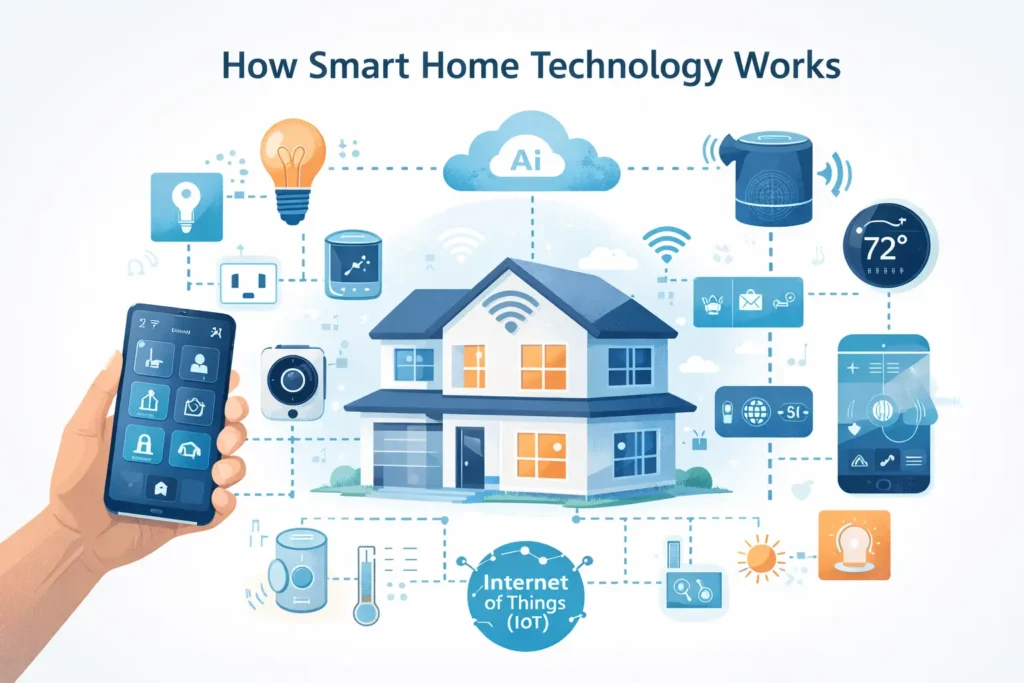
Smart home technology works by connecting devices through the internet so they can communicate with each other. Each device collects data, processes commands, and responds in real time. These devices are usually controlled through a central app or voice assistant. Automation rules allow devices to work together, such as turning off lights when no motion is detected. The system relies on stable internet, compatible devices, and software that manages communication and actions seamlessly.
Role of Internet of Things (IoT)
The Internet of Things, or IoT, is the backbone of smart home technology. IoT allows everyday devices to connect to the internet and share data. In a smart home, IoT enables lights, cameras, thermostats, and appliances to communicate with each other. This connectivity makes automation possible and allows homeowners to monitor and control devices remotely.
Sensors, Devices, and Automation
Sensors play a critical role in smart homes. Motion sensors, temperature sensors, and light sensors collect real-time data. This data triggers automation, such as turning lights on when someone enters a room or adjusting the temperature based on the weather. Devices respond automatically, reducing the need for manual input and improving overall efficiency.
Cloud Computing and AI in Smart Homes
Cloud computing allows smart home systems to process data and store settings securely online. Artificial intelligence helps these systems learn user behavior over time. For example, a smart thermostat can learn your daily routine and adjust temperatures automatically. This makes smart homes more personalized, efficient, and responsive with minimal user effort.
Core Components of a Smart Home
Every smart home is built on a few essential components that work together. These components ensure smooth communication, control, and automation. Without them, devices would function separately instead of as a connected system. The core components include smart devices, a central control system, and software interfaces. Together, they create a unified experience where homeowners can manage everything easily. Understanding these components helps in planning a smart home setup that is reliable and scalable.
Smart Devices and Appliances
Smart devices are the foundation of any smart home. These include smart lights, thermostats, cameras, locks, and appliances. Each device is designed to perform a specific task while staying connected to the system. They can be controlled manually or through automation, making everyday activities easier and more efficient.
Smart Home Hub or Controller
A smart home hub acts as the central brain of the system. It connects different devices and allows them to communicate with each other. Instead of managing multiple apps, users can control everything from one place. This improves reliability and simplifies automation across different devices.
Mobile Apps and Dashboards
Mobile apps and dashboards give homeowners direct control over their smart home. Through these interfaces, users can monitor activity, adjust settings, and receive alerts. A well-designed app makes managing a smart home simple, even for users who are not tech-savvy.
👉 You might also like: How Healthcare Technology Improving Patient Care with AI
Smart Home Communication Protocols
Communication protocols determine how smart devices talk to each other. Choosing the right protocol is important for performance, compatibility, and reliability. Some protocols focus on speed, while others prioritize low power consumption. In many smart homes, multiple protocols are used together. Understanding these technologies helps homeowners make better decisions when selecting devices and building a smart home ecosystem.
Wi-Fi Based Smart Devices
Wi-Fi is the most common communication method in smart homes. Many devices connect directly to the home Wi-Fi network, making setup simple. Wi-Fi devices offer fast communication and easy remote access. However, too many devices on one network can affect performance if not managed properly.
Zigbee and Z-Wave Explained
Zigbee and Z-Wave are popular low-power wireless protocols designed for smart homes. They create mesh networks where devices communicate with each other instead of relying only on Wi-Fi. This improves reliability and reduces energy consumption, making them ideal for sensors and security devices.
Bluetooth and Thread Technology
Bluetooth is commonly used for short-range communication, especially during device setup. Thread is a newer protocol designed for secure, low-power smart home networks. Both technologies help improve device connectivity and support modern smart home standards.
Types of Smart Home Devices
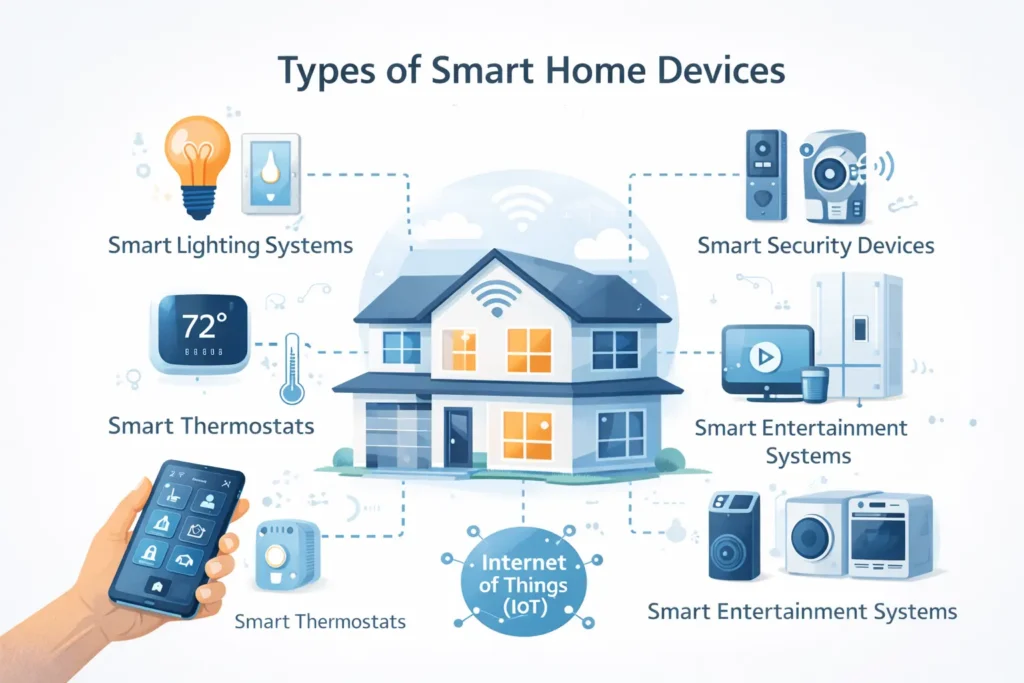
Smart home devices come in many categories, each designed to improve a specific part of home living. From security to entertainment, these devices work together to create a connected environment. Choosing the right mix of devices depends on personal needs, budget, and lifestyle. Understanding the different types helps homeowners build a smart home that delivers real value instead of unnecessary complexity.
Smart Lighting Systems
Smart lighting allows users to control brightness, color, and schedules through apps or voice commands. Lights can turn on automatically, dim at night, or adjust based on natural light. This improves comfort, saves energy, and adds convenience to daily routines.
Smart Thermostats
Smart thermostats help manage indoor temperature efficiently. They learn user preferences and adjust heating or cooling automatically. This reduces energy waste and keeps the home comfortable without constant manual adjustments.
Smart Security Devices
Smart security devices include cameras, motion sensors, alarms, and doorbells. These devices provide real-time monitoring and alerts. Homeowners can check live footage, receive notifications, and enhance home safety from anywhere.
Smart Lighting Solutions
Smart lighting is often the first step people take into smart home technology. It is easy to install, affordable, and delivers instant benefits. With smart lighting, homeowners gain control over when and how lights are used. This improves both comfort and energy efficiency. Whether it’s scheduling lights or adjusting brightness remotely, smart lighting makes everyday living more flexible and convenient.
Automated Lighting and Scheduling
Automated lighting allows lights to turn on or off based on schedules, motion, or time of day. This is useful for daily routines and home security. Lights can simulate occupancy when you are away, adding an extra layer of safety.
Energy Saving with Smart Lights
Smart lights reduce energy usage by turning off automatically when not needed. Dimming features and motion detection help lower electricity bills. Over time, these small savings add up, making smart lighting both practical and cost-effective.
👉 You might also like: How to Start an Online Business With AI in 2026 (Complete Guide)
Smart Climate Control Systems
Smart climate control helps homeowners manage indoor temperature in a more intelligent and efficient way. Instead of constantly adjusting thermostats, smart systems learn user behavior and respond automatically. These systems balance comfort and energy savings by adapting to weather conditions, occupancy, and daily routines. Smart climate solutions are especially useful for reducing unnecessary heating and cooling, which directly impacts energy bills. Over time, they create a more comfortable living environment while helping homeowners maintain better control over indoor air quality and temperature consistency.
Smart Thermostats and HVAC Integration
Smart thermostats connect directly with HVAC systems to automate heating and cooling. They allow users to set schedules, control temperature remotely, and receive performance insights. Many smart thermostats adjust automatically based on occupancy and weather conditions, reducing energy waste. This integration improves comfort while ensuring the HVAC system runs efficiently without constant manual input.
Temperature Automation and Comfort
Temperature automation allows the home to maintain ideal comfort levels throughout the day. For example, the system can lower the heating at night and warm the house before you wake up. These small adjustments improve comfort while optimizing energy usage, making the home feel more responsive to daily routines.
Smart Home Security and Surveillance
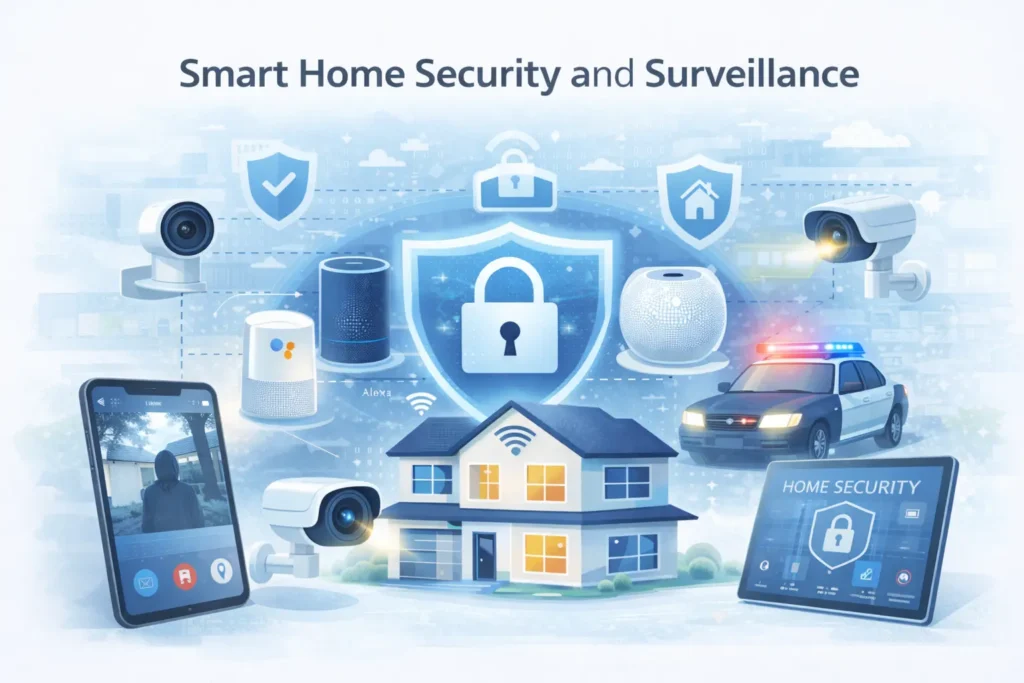
Smart home security adds a powerful layer of protection by combining real-time monitoring with automation. Unlike traditional systems, smart security solutions allow homeowners to view activity, receive alerts, and respond instantly from anywhere. These systems are designed to prevent threats, not just record them. With connected cameras, sensors, and alarms, smart security offers peace of mind and better control over home safety, whether you are inside the house or miles away.
Smart Cameras and Video Doorbells
Smart cameras and video doorbells provide live video access and motion alerts. Homeowners can see who is at the door, communicate remotely, and store footage securely. These devices improve security by allowing constant awareness of what’s happening around the property.
Motion Sensors and Alarms
Motion sensors detect unusual movement and trigger alerts or alarms automatically. They can activate lights, notify homeowners, or contact emergency services. This proactive approach helps prevent break-ins and enhances overall home safety.
Smart Locks and Access Control
Smart locks replace traditional keys with digital access, making home entry more secure and convenient. Homeowners can lock or unlock doors remotely and manage access permissions easily. This is especially helpful for families, rentals, or service providers. Smart access control reduces the risk of lost keys and allows better monitoring of who enters and exits the home, adding both convenience and security.
Keyless Entry Systems
Keyless entry systems use codes, mobile apps, or biometrics to unlock doors. These systems eliminate physical keys and allow customized access for different users. Temporary codes can be shared and removed easily.
Remote Locking and Monitoring
Remote locking allows homeowners to secure doors from anywhere. If a door is left unlocked, users can lock it instantly through an app. Activity logs also help track door usage in real time.
Voice Assistants in Smart Homes
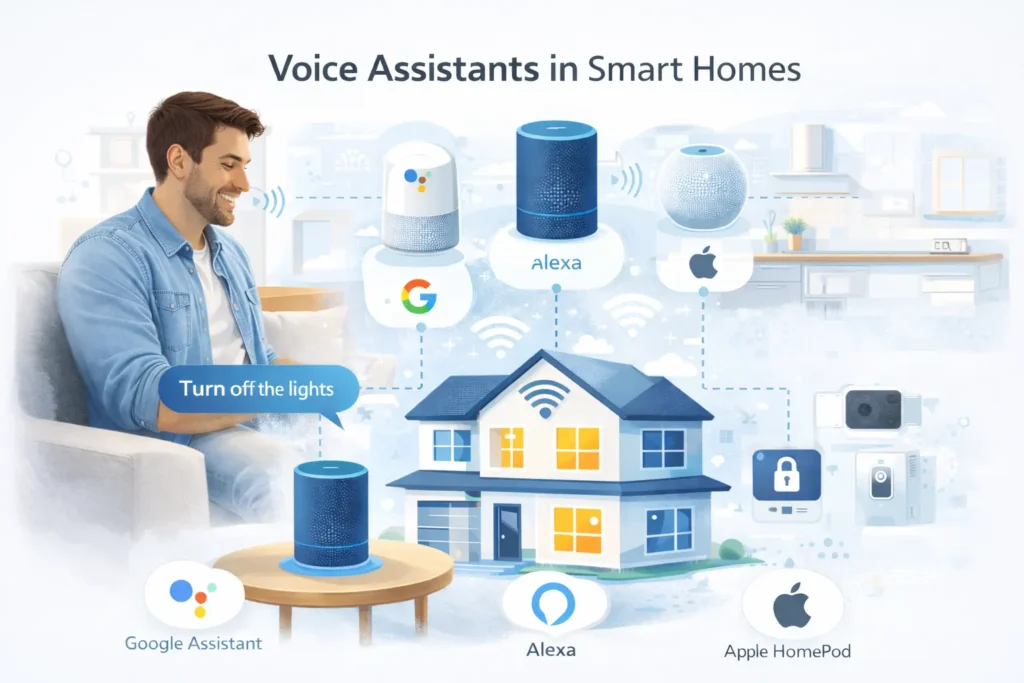
Voice assistants play a central role in modern smart homes by offering hands-free control. They act as a bridge between users and smart devices, making interactions simple and natural. With voice commands, homeowners can control lighting, temperature, security, and entertainment. This makes smart homes more accessible for all age groups and simplifies daily routines without relying on mobile apps.
Alexa, Google Assistant, and Siri
Popular voice assistants integrate with most smart home devices. They allow users to issue commands, ask questions, and control multiple devices at once. This integration creates a smoother and more connected smart home experience.
Voice-Based Home Automation
Voice-based automation enables users to trigger routines with simple commands. For example, saying “good night” can turn off lights, lock doors, and adjust the temperature. This improves convenience and saves time.
Smart Kitchen and Home Appliances
Smart kitchen and home appliances bring automation into everyday household tasks. These appliances are designed to improve efficiency, reduce effort, and provide better control. From monitoring food storage to optimizing washing cycles, smart appliances help homeowners manage daily chores more effectively. Over time, they also contribute to energy savings and better appliance maintenance.
Smart Refrigerators and Ovens
Smart refrigerators track food inventory and expiration dates, while smart ovens allow remote temperature control and cooking notifications. These features help reduce food waste and improve cooking accuracy.
Smart Washing Machines and Utilities
Smart washing machines optimize water and energy usage based on load size. Users receive alerts when cycles are complete, making laundry management easier and more efficient.
Remote Access and Home Monitoring
Remote access is one of the most valuable benefits of a smart home. It allows homeowners to monitor and control devices from anywhere using a smartphone or tablet. Whether checking security cameras or adjusting temperature, remote access provides peace of mind and flexibility. This feature is especially useful for frequent travelers or busy homeowners who want full control over their home at all times.
Controlling Smart Homes via Mobile Apps
Mobile apps serve as the control center for smart homes. Users can manage devices, create automation rules, and monitor activity in real time. A user-friendly app makes smart home management simple and accessible.
Real-Time Alerts and Notifications
Smart homes send instant alerts for important events like motion detection or door activity. These notifications help homeowners respond quickly and stay informed, even when they are away.
Benefits of Smart Home Technology
Smart home technology delivers practical benefits that improve daily life. It enhances comfort, increases security, and helps manage energy usage more effectively. Instead of manual control, homeowners rely on automation and intelligent systems. These benefits are not just about convenience but also about long-term efficiency and peace of mind, making smart homes a valuable investment.
Convenience and Comfort
Smart homes reduce daily effort by automating routine tasks. Lights, temperature, and appliances adjust automatically, creating a comfortable living environment with minimal input from the user.
Improved Home Security
With real-time monitoring and alerts, smart homes provide better protection. Homeowners can detect and respond to threats quickly, even when they are not at home.
Better Energy Management
Smart systems track and optimize energy usage. This helps reduce waste, lower bills, and support a more sustainable lifestyle without sacrificing comfort.
👉 You might also like: Balancing AI Autonomy and Human Creativity
Smart Home Energy Efficiency
Energy efficiency is one of the strongest reasons people invest in smart homes. By using automation and real-time data, smart systems reduce unnecessary energy consumption. From lighting to climate control, every device works smarter, not harder. This results in lower utility bills and a reduced environmental impact over time.
Smart devices turn off when not needed and adjust usage based on behavior. These small changes add up, helping homeowners save money consistently.
Energy monitoring tools provide insights into usage patterns. Homeowners can identify high-consumption devices and make informed decisions to improve efficiency.
Smart Homes for Elderly and Disabled People
Smart homes play an important role in improving independence and safety for elderly and disabled individuals. Automation reduces the need for physical effort while increasing comfort and security. Voice control, sensors, and remote monitoring help users manage daily tasks more easily. Family members and caregivers can also stay informed through alerts and monitoring features. These systems are designed to support independent living while reducing risks associated with mobility limitations or health concerns, making homes safer and more responsive.
Accessibility and Assistive Technology
Smart home accessibility features include voice commands, automated lighting, and hands-free controls. These tools reduce physical strain and make daily tasks easier. Smart switches, ramps, and automated doors also improve mobility and independence for users with physical challenges.
Health Monitoring and Safety Features
Health-focused smart devices track activity, detect falls, and send alerts in emergencies. These features provide reassurance to both users and caregivers. Real-time notifications help ensure quick responses to potential health or safety issues.
Smart Home Installation Options
Installing a smart home can be simple or complex, depending on the setup. Homeowners can start small with basic devices or build a fully integrated system. Installation choices affect cost, performance, and scalability. Understanding available options helps homeowners choose a setup that fits their needs and technical comfort level.
DIY Smart Home Setup
DIY smart home setups are popular because they are affordable and easy to start. Many devices offer simple plug-and-play installation. Users can expand their system gradually without professional help, making it ideal for beginners.
Professional Smart Home Installation
Professional installation ensures proper setup and integration. Experts design customized systems and handle complex wiring or automation. This option is best for large or advanced smart home projects.
Cost of Building a Smart Home
The cost of building a smart home varies based on device types, system complexity, and installation method. Some homeowners start with a small budget, while others invest in complete automation. Understanding cost factors helps set realistic expectations and avoid unnecessary spending.
Initial Setup Costs
Initial costs include smart devices, hubs, and installation fees. Basic setups are affordable, while advanced systems cost more. Starting small allows homeowners to control expenses.
Maintenance and Upgrade Costs
Ongoing costs include software updates, device replacements, and optional subscriptions. Regular upgrades keep systems secure and compatible with new technology.
Smart Home Privacy and Data Security
Privacy and data security are major concerns in smart homes. Connected devices collect and store personal data, making protection essential. A secure system reduces risks while maintaining convenience. Understanding privacy practices helps homeowners make informed decisions.
Smart home systems use encryption and secure servers to protect data. Users should review privacy settings and choose trusted brands. Proper configuration reduces data exposure risks.
Weak passwords and outdated software increase security risks. Regular updates, strong credentials, and secure networks help protect smart home systems from threats.
Challenges and Limitations of Smart Homes
Despite many benefits, smart homes have limitations. Compatibility issues, technical complexity, and internet dependence can affect performance. Recognizing these challenges helps homeowners plan better and avoid frustration.
Not all devices work together seamlessly. Different platforms may limit integration. Choosing compatible devices and standards improves system reliability.
Smart homes rely heavily on internet connectivity. Network outages can disrupt automation and remote access. A stable connection is essential for consistent performance.
Future Trends in Smart Home Technology
Smart home technology continues to evolve rapidly. Future developments focus on many things like intelligence, automation of tasks, and sustainability. These advancements aim to make homes more adaptive and efficient.
AI enables systems to predict user needs and automate decisions. Homes become more responsive and personalized over time.
Predictive automation allows homes to adjust settings before users take action. This creates a seamless and proactive living experience.
Conclusion
A smart home makes everyday life easier by improving comfort, security, and energy efficiency. It gives homeowners better control over their living space with less effort. Smart technology also helps reduce energy waste and long-term costs. With flexible options for different budgets, smart homes are more accessible than ever. When planned properly, a smart home is a practical and valuable upgrade.
Smart Home FAQs
What exactly is a smart home?
A smart home is a house equipped with internet-connected devices that let you control lighting, thermostats, security, entertainment, and more from a smartphone, voice assistant, or central app. These devices can work together to automate tasks, making everyday life more convenient and efficient.
How do smart home devices communicate with each other?
Smart devices use wireless technologies such as Wi-Fi, Bluetooth, and automation protocols like Zigbee or Z-Wave to talk to each other and the smart home hub. These connections help devices respond to commands and triggers.
Do I need professional help to install smart home devices?
Most modern smart devices are designed for DIY installation and come with clear setup guides. However, larger systems like integrated security or whole-house automation may benefit from professional installation for optimal performance.
Can smart home devices from different brands work together?
Yes, many devices can work together if they are compatible with the same platform or hub, like Amazon Alexa, Google Home, Apple HomeKit, or Matter. Using a central hub often makes device integration smoother.
Can I control smart home devices remotely?
Most smart home systems let you control devices from anywhere using a mobile app. This means you can adjust settings, check security cameras, or monitor activity even when you’re not at home.
Are smart homes secure against hacking?
Smart homes can be secure, but you should use strong passwords, update firmware frequently, and enable device security features. Regular updates and good network practices protect your smart home from common threats.
Will a smart home save energy?]
Yes, smart devices like thermostats and lights can optimize energy use by turning off when not needed or adjusting based on behavior. This often lowers utility bills while improving efficiency.
Can I start small and expand later?
Absolutely. You can begin with a few smart devices, such as smart bulbs or a smart thermostat, and add more as you go. This lets you scale your smart home at your pace and budget.
What is Apple HomeKit or other smart ecosystems?
Apple HomeKit is a secure framework that connects compatible smart devices into one control app on Apple devices, making it easy to manage your smart home. Other ecosystems like Alexa or Google Home serve a similar role across different platforms.
Can smart home technology improve home security?
Yes. Smart cameras, video doorbells, and motion sensors provide real-time monitoring and alerts, helping you stay aware of activity at home and respond quickly when needed.
✨ Don’t stop here, follow Tech Statar for daily upgrades.