
How Data-Driven Insights Are Transforming Interview Preparation
Key Takeaways
- Data-driven approaches spotlight top skills and competencies sought by employers.
- Familiarity with interview formats and commonly asked questions results in more effective practice sessions.
- Utilizing analytics improves feedback, tracks progress, and refines interview preparation strategies.
- Continuous review of industry trends ensures preparation remains relevant and targeted.
In today’s competitive job market, the key to successful interview preparation lies in harnessing data-driven insights. By diving into patterns, trends, and real-world analytics, job seekers can adapt their approach, target high-demand skills, and stand out to potential employers. New resources, such as interview coaching online, are making it easier than ever to strengthen preparation through technology and professional guidance.
Data is rapidly changing, not just the way companies recruit but also how candidates must prepare. By understanding which competencies are valued, reviewing the latest interview strategies, and employing modern analytics tools, candidates can tailor their preparation to current expectations. Leveraging the right approaches and ongoing learning is critical to keep pace with digital-first hiring trends.
Understanding Employer Expectations Through Data
Modern employers make critical hiring decisions using a wealth of workforce analytics. By reviewing hundreds of job descriptions, industry salary surveys, and recruiter reports, candidates can identify the skills that appear most frequently in job postings, as well as changes in required proficiencies over time. One example is the growing expectation that candidates understand the basics of AI, as shown by a recent survey, which found that 63 percent of US job seekers have participated in interviews driven or shaped by artificial intelligence. This shift highlights the growing need for technological fluency, even in traditionally non-technical roles. For more details, see this report on AI’s impact on job interview processes.
Data insights reveal that employers not only seek technical prowess but also value adaptability, communication, and problem-solving, attributes that predictive analytics have been linked to long-term job success. As a result, tailoring resumes and interview answers based on the most statistically relevant soft and hard skills is proving highly effective for candidates aiming to land top roles.
Analyzing Common Interview Formats
Today’s interviews are evolving toward more structured and objective formats. Studies indicate that technical and analytical positions now often involve longer, multi-stage evaluations, with the average interview process for data-centric jobs clocking in at 24.9 hours per hire. Structured panels, behavioral questions, case studies, and even automated assessments have become the norm, reflecting a shift toward reducing bias and toward performance-based evaluations. Recent research highlights how these trends intensify the preparation process and the need for candidates to get comfortable with rigorous assessment.
This transition is not confined to technology or data roles. Increasingly, fields such as healthcare, education, and finance are adopting systematic interview frameworks, often influenced by data on successful employee performance. Preparing with mock interviews that simulate these environments greatly enhances readiness and helps applicants anticipate unexpected challenges.
Leveraging Mock Interviews and Simulations
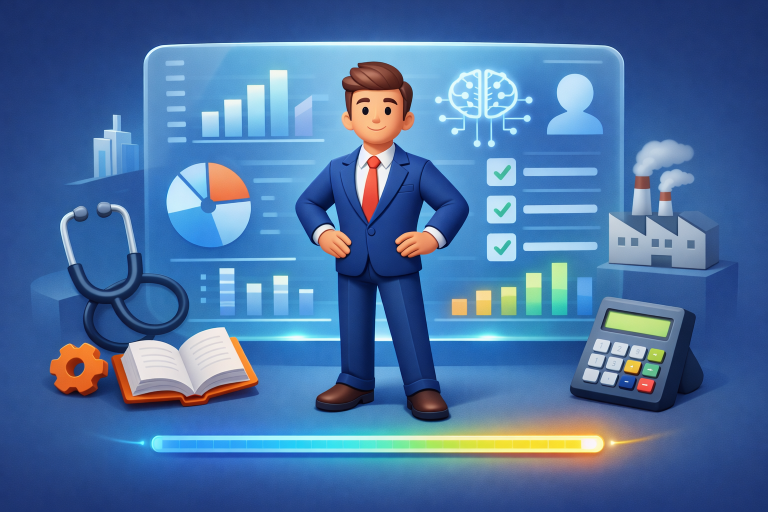
Practice remains central in effective interview preparation, but its delivery has changed. Advanced digital platforms now offer AI-powered mock interviews and real-time scenario-based simulations. These tools assess everything from verbal communication and presence to the structure and depth of candidate answers. By receiving instant constructive feedback, candidates can quickly identify weak spots and make targeted improvements. According to industry experts, repeated practice using such platforms leads to better overall performance and significantly reduces interview anxiety.
Professional support, such as virtual interview coaching, further enhances a candidate’s ability to respond dynamically and confidently to new and unfamiliar questions. These services allow repetition in a realistic, adaptive setting, ensuring conversations remain fluid and authentic under pressure.
Tracking Progress with Analytics
Tracking one’s own progress has become much easier and more objective thanks to modern analytics. Practice platforms typically provide dashboards that summarize areas of strength and improvement, with metrics such as response clarity, completeness of answers, filler word use, and adherence to time limits. This makes it simple for candidates to review their journey, set realistic goals, and measure incremental progress.
Performance data from these platforms informs next-step strategies and supports continual improvement, resulting in more focused, effective study sessions and reducing wasted effort on less relevant topics. In addition, tracking can reveal which interview strategies and responses yield the best feedback, enabling refined preparation and improved overall results.
Staying Updated with Industry Trends
Staying knowledgeable about industry news and evolving hiring trends is a critical part of ongoing interview preparation. Regularly consulting career resources such as LinkedIn’s Workforce Insights, the Wall Street Journal’s careers section, and job market trend reports provides candidates with up-to-the-minute details on employer demands, emerging technologies, and shifting industry standards.
Periodic review of major industry forecasts ensures that preparation strategies remain current and effective. Being aware of new research on applicant tracking systems, AI-driven interviews, and employer priorities means candidates can continually optimize their approach and quickly adapt to changes in the interview landscape. Stay ahead by checking authoritative sources such as Time’s latest guide to interview trends.
Conclusion
Modern interview preparation calls for a strategic, data-driven approach. Leveraging analytics, simulation platforms, and up-to-date industry knowledge enables candidates to meet employer expectations, practice efficiently, and monitor progress towards mastery. By embracing these insights, job seekers position themselves for greater success and higher confidence in today’s dynamic hiring environment.
✨ Don’t stop here, follow Tech Statar for daily upgrades.