
How Drivers Are Modernizing Older Cars Without Replacing Them
Buying a brand new car is no longer the automatic choice it once was. Prices keep climbing, wait times can stretch for months, and plenty of drivers simply like the vehicle they already own. So instead of trading up, a growing number of people are choosing to upgrade what they have.
The good news is that modernizing an older car has never been simpler. You no longer need a full stereo rebuild or a trip to a specialist shop to enjoy features that felt out of reach a decade ago. With the right approach, an aging vehicle can feel current again while keeping everything that made you buy it in the first place.
Why Older Cars Are Worth Keeping
Older cars often have qualities that newer models struggle to match. Mechanical simplicity, a distinctive design, and a driving feel that has not been flattened by layers of software all give them lasting appeal. The main weakness is usually the technology, and that is exactly the part you can fix. Rather than replacing the whole car, many owners are reaching for retrofitted connectivity systems like a Porsche Bluetooth adapter that add streaming and hands-free calling without touching the original hardware.
This shift also makes financial sense. A targeted improvement can cost a small fraction of a new car payment, and it lets you spread changes over time rather than committing to one large purchase. For anyone watching their budget, that flexibility matters.
The Gap Between Old Cars and Modern Phones
Most of the frustration with an aging vehicle comes down to one thing. The phone in your pocket has moved far ahead of the dashboard in front of you. Cars built even ten or fifteen years ago were designed around CDs, wired inputs, and in some cases nothing more than a radio. Meanwhile, daily life has shifted almost entirely to streaming music, navigation apps, and wireless calls.
That gap is what makes a car feel dated, even when it runs perfectly well. Closing it does not require ripping out the factory system. In many cases, the smarter move is to add a bridge between your phone and the equipment already installed, so you gain new function without losing fidelity or reliability.
Upgrades That Deliver the Most
Audio and Wireless Streaming
For most drivers, the stereo is the first and most rewarding place to start. Being able to stream music and podcasts wirelessly, then take a call without fumbling for your phone, reshapes the daily experience more than almost anything else. Quality adapters route clean digital sound through factory speakers, which means you keep the acoustics the car was tuned for.
Navigation and Hands-Free Calling
Built-in navigation ages quickly, and outdated maps are worse than none at all. Pairing your phone lets you use live traffic and current directions through the car speakers, and a good setup handles calls through the speakers so you can keep your hands on the wheel and stay within the law.
Comfort and Convenience Extras
Beyond the stereo, small additions can update the cabin without altering its look. Wireless charging pads, discreet USB power, sharper reversing cameras, and better lighting all slot in with minimal fuss. None of these change the character of the interior, but together they make an older car far more pleasant to live with.
Keeping the Original Character Intact
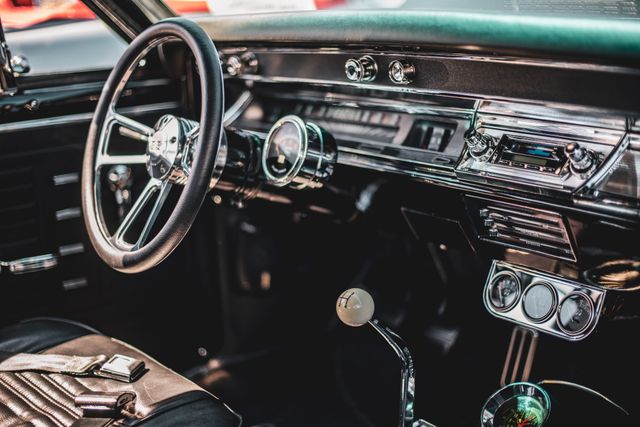
For many enthusiasts, keeping a car true to its roots is the whole point. A well preserved cabin holds its value and its charm in a way that a cluttered aftermarket screen never will. The best upgrades are the ones nobody notices at a glance, the ones that leave the dashboard looking untouched while quietly doing more.
This is why plug and play options have become so popular. They avoid cutting wires, drilling holes, or forcing permanent changes. If you ever sell the car, you can often remove the addition and hand over a vehicle that looks exactly as it did when it left the factory. Reversible upgrades protect both the look and the resale value.
What to Check Before You Upgrade
Before buying anything, confirm that the part is made for your specific model and audio setup, since fitment varies widely between generations. Read how it connects, whether it needs professional installation, and what happens to features you rely on such as steering wheel controls or vehicle settings. A little research up front saves a lot of trouble later.
It also helps to weigh your priorities. If sound matters most, focus on how the device handles audio rather than on flashy extras. If ease is the goal, favor options that install in minutes and require no permanent changes. Matching the addition to how you actually drive is the surest way to be happy with the result.
Frequently Asked Questions (FAQs)
1. Is It Worth Upgrading an Older Car Instead of Replacing It?
In most cases, yes. If the car is mechanically sound and you enjoy driving it, targeted upgrades cost far less than a new vehicle and let you keep something you already like. The main exception is a car with serious reliability problems, where spending on tech may not be the best use of money.
2. Will Adding Modern Tech Hurt My Car’s Value?
It depends on how the work is done. Permanent changes and cut wiring can lower value, especially on sought-after models. Reversible, plug and play additions that leave the interior untouched tend to have little downside and can even make the car easier to sell.
3. Do I Need a Professional to Install These Upgrades?
Not always. Many connectivity products are designed to plug into existing ports, which most owners can manage themselves. More involved additions, such as new cameras or wiring, are better left to a professional to avoid damaging the car’s electronics.
4. Can I Keep My Factory Sound System?
Usually you can, and often you should. Systems in higher end cars are tuned to the cabin, so keeping them and adding a quality adapter gives you new features without sacrificing quality. Swapping the whole system is rarely necessary just to gain Bluetooth.
5. How Much Should I Expect to Spend?
Simple connectivity upgrades often cost less than a single monthly car payment, while larger projects with several additions cost more. Because you can add features one at a time, it is easy to start small and expand later as your budget allows.