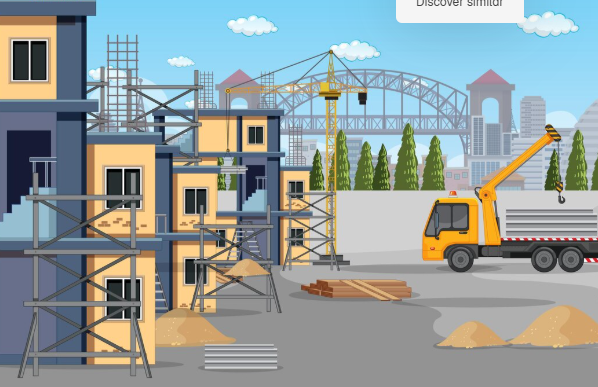

Modernizing Aging Wastewater Infrastructure Without Demolition
Industrial wastewater infrastructure is reaching a breaking point. Across the country, facility engineers are battling failing systems, tightening environmental regulations, and restrictive maintenance budgets. This is not a localized problem. The EPA estimates that more than $630 billion in water infrastructure improvements will be needed over the next two decades, largely driven by the reality of aging facilities.
For plant managers and environmental engineers, this creates a massive daily headache. You are expected to meet incredibly strict discharge standards, such as 5 PPM limits, using outdated concrete vaults that were built decades ago. When these systems fail to keep up with modern production demands, the immediate assumption is often that a complete structural replacement is the only way out.
Fortunately, a smarter path exists. Custom-engineered retrofits allow facilities to modernize their current footprint, achieve strict regulatory compliance, and minimize operational downtime. By retaining the structural integrity of your existing vaults and replacing only the internal technology, you can solve the compliance puzzle without breaking the budget.
Key Takeaways
Tearing out aging concrete vaults causes massive operational downtime and compounding hidden costs.
Custom-designed oil-water separation solutions integrate directly into existing footprints, eliminating the need for full demolition.
Upgrading to automated skimmers and fail-safe valves prevents illegal off-site discharges during unexpected surge events.
Retrofitting legacy infrastructure delivers a significantly faster and higher ROI than full system replacement.
The Hidden Costs of Aging Wastewater Infrastructure
Why Full Civil Demolition is a Financial Trap
Why is replacing aging wastewater infrastructure so expensive and disruptive to daily operations? The answer lies in the sheer scale of civil demolition. Removing an old concrete vault is never just a simple equipment swap. It involves heavy machinery, structural excavation, hazardous waste disposal, and highly expensive civil engineering fees.
The most devastating cost is the complete halt of facility operations. A full civil demolition project can shut down production lines for weeks or even months. When water cannot be processed, manufacturing stops. The resulting loss of revenue often far exceeds the cost of the actual construction work itself.
Instead of tearing out existing concrete vaults and halting operations, facilities can install custom-engineered retrofits that fit directly into their current footprint. By using advanced oil-water separators designed for seamless integration, plants can drastically improve effluent purity while keeping capital costs and downtime to an absolute minimum. This approach bypasses the heavy construction phase entirely.
The High Price of Equipment Downtime
Continuing to operate outdated, manual oil-water separation systems carries severe financial risks. Legacy systems require constant human oversight and are highly prone to mechanical failure. When these old systems inevitably break down, your maintenance team is forced to abandon routine tasks to put out figurative fires.
Losing 120 hours of production time directly damages your bottom line. It creates a bottleneck that limits output and forces labor costs higher due to emergency repair overtime. Facilities simply cannot maintain peak labor efficiency when their core utility systems require continuous, reactionary maintenance.
How Custom-Designed Oil-Water Separation Solutions Save the Day
Seamless Integration with Drop-In Retrofits
How do custom retrofit solutions integrate with existing concrete vaults? The process relies on precise engineering and modular design. Instead of building a new tank, engineers design drop-in tube pack frames and custom coalescers tailored specifically for the pre-existing space. These components slide perfectly into the old concrete footprint.
Flexibility is the defining feature of these upgrades. Older concrete vaults often have very restrictive entry points, making equipment installation difficult. To solve this, manufacturers design custom folding floating skimmers engineered to fit through narrow access ports. This means a high-capacity skimmer can be folded, passed through a standard 22-inch manway, and deployed seamlessly inside the vault.
Modern custom-designed oil-water separation solutions feature High-Efficiency Coalescers (HEC Packs) to easily modernize a failing vault. These media packs maximize the surface area available for oil droplets to collide and separate from the water. By dropping these engineered packs into an old tank, you instantly upgrade its separation capabilities without altering the exterior structure.
Modernizing Operations to Prevent Unplanned Shutdowns
Automating the Oil Skimming Process
What technologies are available to automate oil skimming and prevent unexpected system shutdowns? The shift from manual to automated systems is the most effective way to eliminate human error in wastewater treatment. Manually monitoring old systems requires heavy labor and constant visual checks, which is an inefficient use of engineering resources.
Upgrading to modern automated floating skimmers and rotary pipe skimmers removes this burden. These devices continuously adjust to changing water levels and remove surface oils efficiently. They run automatically, ensuring that oil does not build up and overwhelm the system during high-production shifts.
Automation extends far beyond just skimming. Modern retrofits include high-oil level switches, leak detection sensors, and custom control panels. These robust systems handle challenging chemical profiles, such as low pH process water, and manage flow rates up to 5,000+ GPM without constant human intervention. Your maintenance team can monitor the system from a control room rather than standing over an open concrete pit.
Ensuring Continuous Wastewater Compliance (Even During Surge Events)
Avoiding Costly Environmental Fines
Failing to upgrade your wastewater infrastructure carries a massive financial risk. Environmental regulations are becoming stricter, and municipalities are cracking down on industrial discharge violations.
You can protect your facility from these fines by retrofitting with High Performance Foam (HPF) or HEC packs. These advanced filtration technologies allow a facility to easily exceed strict municipal and federal regulations. They work by forcing the wastewater through a dense matrix, trapping even the smallest oil particles before they can exit the vault.
These upgrades can achieve ultra-strict effluent purity levels down to 5 PPM discharge standards for non-emulsified hydrocarbons. Reaching this level of purity with an old, hollow concrete vault is physically impossible. Dropping in modern media ensures you stay on the right side of environmental law.
Fail-Safe Containment for Storms and Surges
How can fail-safe containment systems ensure continuous compliance during heavy storms or surge events? Extreme weather and sudden production surges push wastewater systems to their limits. If a massive volume of water enters the vault, it can easily flush floating oil out into the municipal sewer or surrounding environment.
To prevent this, modernized systems use Oil Stop Valves (OSV) and Oil Containment Sumps (OCS). These devices operate based on specific gravity principles. Because oil is lighter than water, it floats. The OSV uses a ballasted float that is calibrated to sink in oil but float in water.
When a storm hits and the oil level in the vault gets too deep, the float loses its buoyancy and drops. These fail-safe valves automatically isolate oil and fuel spills at the source, shutting off the discharge pipe entirely. This allows clean water to discharge safely during normal operations but physically prevents illegal spills when disaster strikes.
Comparing the ROI: Retrofitting vs. Full Demolition
What is the ROI of retrofitting versus full civil demolition? Facility managers need clear facts to justify engineering decisions to key stakeholders. When you compare the two options directly, the financial and operational benefits of retrofitting become obvious.
| Evaluation Criteria | Retrofitting Existing Vaults | Full Civil Demolition |
|---|---|---|
| Upfront Capital Cost | Low to Moderate (Internal equipment only) | Extremely High (Excavation, disposal, new builds) |
| Facility Downtime Required | Minimal (Completed during planned maintenance) | Weeks or Months (Complete operational halt) |
| Speed to Compliance | Fast (Drop-in components install quickly) | Slow (Subject to long permitting and construction delays) |
| Civil Engineering Requirements | Low (Utilizes the existing structural footprint) | High (Requires extensive structural and site planning) |
Retaining specific concrete components and upgrading the internals is always the smarter financial move. You achieve the exact same regulatory compliance but bypass the massive capital expenses and facility closures required by a full demolition project.
Conclusion
Facility managers do not have to choose between a $142 million compliance risk and a multi-million dollar demolition project. You can avoid the financial trap of tearing out old concrete while still meeting the strictest environmental standards.
Modernizing with drop-in coalescing media and automated controls solves both issues simultaneously. By sliding custom frames, automated skimmers, and fail-safe valves directly into your existing footprint, you eliminate the threat of unexpected downtime and municipal fines. Evaluate your current concrete vaults for retrofit compatibility before a failing system forces your hand. Upgrading smart today prevents a catastrophic shutdown tomorrow.
✨ Want insider-level clarity? You know what to do, follow Tech Statar.