
Building Smarter Homes for the Way People Live Today
Home improvement has shifted far beyond cosmetic upgrades. Today, homeowners are thinking more about function, efficiency, and long-term adaptability. Instead of only renovating old spaces, many are asking a bigger question. What if the home could be designed around the way they actually live?
That is one reason custom homes continue to gain attention. Rather than adjusting daily life to fit an outdated layout, homeowners can shape a space around their routines, priorities, and future plans. In many cases, this creates a smarter investment than repeated remodeling.
Why Personalization Matters More in Modern Homes
Traditional floor plans often reflect assumptions that no longer match how people live. Home offices, multigenerational living, wellness spaces, and flexible indoor-outdoor areas have become far more common.
Custom home design allows these needs to be addressed from the start. Instead of forcing solutions into existing limitations, the layout itself can support daily life. Storage can be designed around real habits. Natural light can be prioritized where it matters most. Traffic flow can improve how spaces feel and function.
For homeowners exploring a ground-up approach, working with a professional Sacramento custom home builder can help turn those priorities into a home designed for long-term functionality, not just appearance.
Smart Homes Begin With Smart Planning
Technology often gets most of the attention in home improvement discussions, but the smartest homes usually begin with good structural planning.
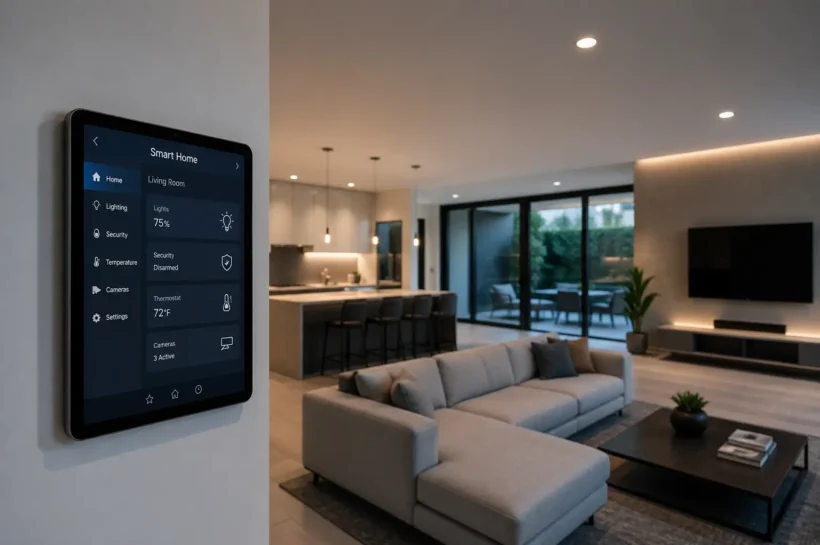
Energy efficiency, orientation, insulation performance, and room placement often affect comfort more than gadgets do. A well-designed home can reduce energy use, improve livability, and lower maintenance demands over time. Custom building also allows homeowners to prepare for future technology. Smart lighting, integrated security, EV charging, and home automation systems can be incorporated seamlessly during construction rather than retrofitted later at a higher cost.
This kind of foresight often separates trend-driven upgrades from lasting improvements.
Flexibility Has Become a Design Priority
One of the biggest shifts in residential design is the demand for flexibility. A room may need to serve as an office today, a guest room tomorrow, and an aging-in-place solution later.
Custom homes can be designed with this evolution in mind. Flexible layouts reduce the need for expensive changes down the road. That matters not just for convenience, but for long-term property value. Open concepts are also being rethought. Many homeowners now want balance, open shared spaces combined with quieter private areas. Custom planning makes those trade-offs easier to solve.
📌 You might also like: Benefits of Installing Solar Panels
Quality Construction Impacts More Than Appearance
Home improvement often focuses on visible finishes. Flooring, cabinetry, fixtures. But what is behind the walls matters just as much. Build quality affects durability, energy performance, indoor comfort, and maintenance costs. Poor construction decisions may stay hidden for years before becoming expensive problems.
That is why the building process itself matters. Materials, engineering, and workmanship influence whether a home performs well over decades or requires ongoing correction. For homeowners pursuing long-term value rather than short-term aesthetics, choosing the right team often matters as much as the design itself.
The Rise of Lifestyle-Driven Home Design
More people now view homes as lifestyle environments rather than simply properties. That has changed what people prioritize.
Some want homes designed around entertaining. Others prioritize wellness features, natural materials, or stronger indoor-outdoor connections. Some focus on sustainability or reducing dependence on high utility costs.
Custom building supports these priorities in ways standard homes often cannot. Instead of compromising between available listings, homeowners can align design choices with how they want to live. That often produces a home that feels more intentional and valuable over time.
Better Homes Start With Better Questions
The future of home improvement is less about chasing trends and more about asking better questions.
How should a home support daily life?
How can it remain functional ten or twenty years from now?
What design choices reduce maintenance instead of adding to it?
Those questions often lead beyond surface upgrades and toward smarter building decisions.
Whether someone is planning a dream home or evaluating whether to remodel or rebuild, the strongest projects usually begin with clear priorities, not just design inspiration. A well-designed custom home is not simply larger or more expensive. At its best, it is more thoughtful, and thoughtful design tends to age better than trends ever do.
📌 Don’t just read this once, follow Tech Statar for more layers.