
Healthcare WebRTC Integration: What Works, What Breaks, and What to Plan For
A telehealth demo usually works perfectly in a conference room. Then it meets a hospital firewall at 9 AM on a Monday. That is where most conversations around WebRTC change. Not because the technology fails, but because healthcare environments are rarely simple.
Many healthcare platforms adopt WebRTC, expecting smooth browser-based consultations.
What they discover later is that real deployments involve compliance layers, legacy systems, restricted networks, and infrastructure decisions that directly affect patient experience.
This is why healthcare teams are now evaluating WebRTC services for healthcare beyond just video calling features. They want a scalable communication infrastructure that can survive real-world operational pressure.
The difference matters more than ever as telehealth platforms continue expanding into remote care, urgent consultations, and long-term patient engagement through scalable WebRTC development strategies.
What WebRTC Services for Healthcare Actually Deliver
WebRTC enables real-time communication directly inside browsers and mobile applications. It supports audio calls, video consultations, messaging, screen sharing, and live data exchange.
For healthcare providers, this removes the need for patients to install additional software. A consultation can start directly from a patient portal or appointment link.
That convenience is one reason why WebRTC healthcare adoption continues to grow across telehealth products and virtual care platforms.
Core Capabilities
Healthcare organizations commonly use WebRTC for:
Virtual consultations
Remote patient monitoring
Specialist collaboration
Post-discharge follow-ups
Emergency triage communication
The technology delivers low-latency communication while reducing patient friction during onboarding.
Infrastructure Components
WebRTC alone is not a telehealth platform. It is the real-time communication layer inside a larger ecosystem. A healthcare deployment typically includes:
Signaling servers
STUN and TURN servers
SFUs for media routing
Authentication systems
EHR integrations
Billing and scheduling modules
Without these layers, communication remains incomplete for clinical operations. WebRTC handles the media exchange. The surrounding infrastructure determines reliability and scalability.
➔ You might also like: Healthcare Automation
WebRTC Healthcare Compliance and HIPAA Reality
One of the biggest misconceptions in healthcare communication is assuming encrypted calls automatically mean HIPAA compliance. That is not how compliance works.
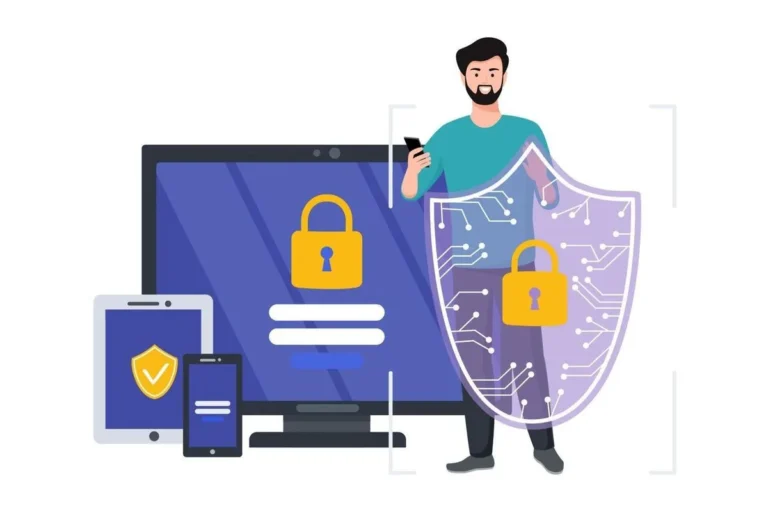
WebRTC uses encrypted communication by default. Media streams are protected using DTLS and SRTP protocols. This secures the transmission layer. However, HIPAA compliance extends far beyond media encryption.
What WebRTC Secures
WebRTC protects:
Audio streams
Video streams
Data transmission between participants
This prevents unauthorized interception during communication sessions.
What Healthcare Platforms Still Need
Healthcare platforms must additionally manage:
Access control
Audit logging
Data storage policies
User authentication
Session governance
Business Associate Agreements (BAAs)
A platform may use secure WebRTC infrastructure and still fail to meet compliance requirements if its operational controls are weak. This distinction is often ignored in the market. Encryption is the protocol’s responsibility. Compliance is the platform’s responsibility.
Healthcare teams evaluating WebRTC services for healthcare should assess both layers separately before deployment.
Why WebRTC Fails Inside Hospital Networks?
This is where many telehealth implementations struggle. WebRTC performs best when direct peer-to-peer communication is possible. Hospital networks rarely allow that environment.
Healthcare institutions often use:
Deep packet inspection
Strict firewall policies
Restricted UDP traffic
Legacy networking hardware
These controls can interrupt direct media routing.
Connection Failure Rates
In restricted healthcare environments, direct WebRTC connections can fail roughly 15% to 20% of the time.
The issue becomes more visible during:
Peak consultation hours
Multi-location deployments
Remote specialist collaboration
Patients usually experience this as frozen video, dropped audio, or failed session connections.
TURN Servers on Port 443
Production-grade healthcare platforms typically solve this using TURN servers over TCP/TLS on port 443. This allows traffic to move through restrictive hospital firewalls more reliably.
Teams that deploy WebRTC healthcare infrastructure at scale also optimize:
Regional TURN distribution
Adaptive bitrate handling
SFU-based media routing
Real-time QoS monitoring
This is the difference between a feature demo and a dependable telehealth platform. Most failures in healthcare communication do not begin at the application layer. They begin at the network layer.
Build vs Buy for WebRTC Healthcare Platforms
Healthcare teams eventually face an important decision. Should they build custom infrastructure or integrate an existing communication platform? The answer depends on operational goals, engineering capacity, and compliance ownership.
When Custom Development Makes Sense
Custom WebRTC infrastructure works best for platforms with:
Complex workflows
Proprietary integrations
Large consultation volumes
Specialized compliance requirements
This approach gives engineering teams deeper control over routing, scaling, and platform customization. However, it also increases operational responsibility.
Timeline Expectations
A custom WebRTC healthcare deployment may take three to four months or longer, depending on architecture complexity.
This includes:
Infrastructure setup
Compliance workflows
TURN deployment
Media optimization
Testing across networks
For healthcare startups trying to launch quickly, that timeline can become difficult.
When Managed APIs Work Better
Many organizations now choose BAA-available communication APIs for faster deployment. These integrations can reduce implementation timelines to two to four weeks in some cases.
Managed platforms also reduce maintenance pressure on internal teams. The tradeoff is reduced infrastructure control and limited customization flexibility.
Healthcare teams should evaluate WebRTC decisions as long-term operational choices rather than short-term development tasks.
➔ You might also like: Healthcare Technology
Healthcare Use Cases Where WebRTC Delivers Real Value
Not every healthcare workflow requires real-time communication. But some care models depend on it completely.
Mental Health Consultations
Mental healthcare platforms benefit heavily from browser-based communication. Patients can join sessions quickly without technical barriers. That accessibility improves consultation consistency and continuity.
Remote Patient Monitoring
WebRTC supports real-time patient engagement during ongoing care programs. Clinicians can review symptoms, discuss medication adherence, and monitor recovery remotely.
Post-Operative Follow-Ups
Hospitals increasingly use virtual follow-ups to reduce unnecessary patient travel. Doctors can visually assess recovery while maintaining direct communication with patients.
Urgent Care and Triage
Real-time communication improves response speed during urgent consultations. Healthcare providers can quickly evaluate symptoms and direct patients toward appropriate care pathways. These workflows continue to drive improvements in healthcare services with WebRTC across telehealth ecosystems.
The biggest advantage is not convenience alone. It is the ability to reduce communication friction during critical care moments.
The Bottom Line?
WebRTC has become a foundational technology for modern telehealth communication. But successful deployment depends on much more than video quality.
Healthcare organizations must plan for:
Network restrictions
Compliance responsibilities
Infrastructure resilience
Integration complexity
Long-term scalability
The strongest healthcare communication platforms are usually the ones built around operational realities, not ideal network conditions. As telehealth grows, healthcare teams are investing in scalable WebRTC infrastructure for secure and reliable patient communication.
At Ecosmob, we help healthcare platforms build dependable WebRTC solutions for real-world clinical and compliance needs.
🔷One post is never the full picture. Follow Tech Statar for the rest.