
Introduction
Workspaces are now facing a huge evolution, and they are rapidly moving from traditional cubicles to more flexible and employee-centric environments. In our world today, businesses are now rapidly redesigning their office to ensure that they can effectively boost productivity, foster collaboration, and also adapt easily to dynamic work habits. With companies preparing for the demands that come with evolution, comprehensive office transformation is also now a critical strategy for long-term success.
Flexible Workspaces Are Replacing Traditional Office Layouts
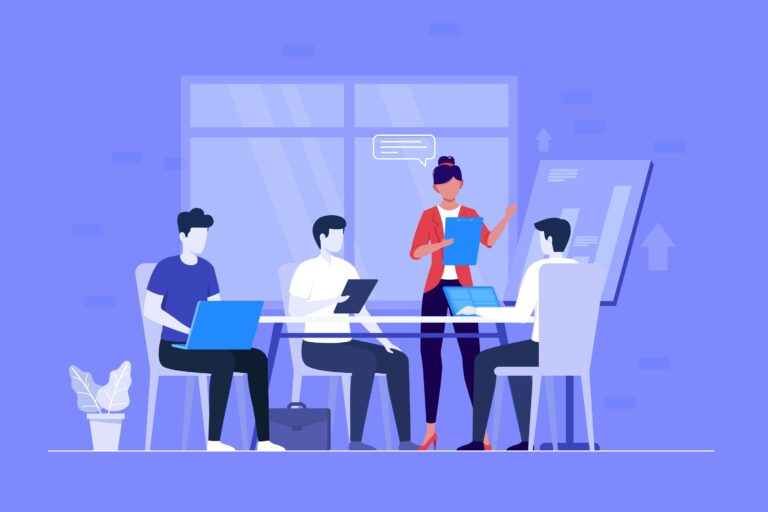
Dynamic and adaptive layouts are now replacing fixed desk assignments and rigid cubicle rows as modern offices are increasingly featuring shared hot desking zones, quiet focus rooms, open collaboration hubs, and even modular furniture that can be easily reconfigured. This dynamic shift towards flexibility also helps in enabling businesses to seamlessly support hybrid work models as well as providing employees who divide their time between the office and home with a task-appropriate environment whenever they step into the office.
Employee Experience is Becoming a Major Design Focus
A key thing to note is that the priorities of contemporary workspace also include comfort, well-being, and health of the workforce. Therefore, forward-thinking companies are now integrating maximized natural lighting, biophilic elements, intuitive room layouts, ergonomic furniture, and dedicated relaxation spaces. Creating an inviting environment also helps to reduce mental stress and physical strain, allowing organizations to be able to cultivate higher employee engagement, naturally drive overall productivity across teams, and boost day-to-day morale.
Technology Integration is Changing Modern Workplaces
Another key thing worth noting is that technology is no longer an add-on feature to office design, but it is now deeply rooted within the physical infrastructure itself. Digital innovation has reshaped today’s workplaces by introducing intelligent meeting spaces equipped with advanced video conferencing, IoT-enabled technology, interactive digital whiteboards for collaboration, and smart occupancy management systems that optimize room usage and efficiency. Integrating intuitive technology into physical layouts helps make daily operations smoother while allowing hybrid and on-site teams to communicate and collaborate more effectively.
Sustainable Office Design Is Growing Among Businesses
Sustainability is now also at the forefront of workplace planning as businesses are now rapidly adopting energy-efficient lighting systems, utilizing eco-friendly materials, and also choosing designs that will further reduce the waste of materials during renovation processes. Also, placing more priority on sustainability is key because it helps organizations to be able to meet their corporate environmental goals while also improving indoor air quality, creating a more responsive work environment, and creating healthier environments for their teams.
Professional Office Interiors Help Businesses Create Better Work Environments
Transforming an outdated layout into a high-performing workplace requires specialized expertise. Professional planning, tailored space optimization, ergonomic furniture selection, and full-scale refurbishment allow companies to unlock their property’s full potential. Partnering with specialists in Office Interiors UK ensures that every square foot is strategically engineered to align with a company’s culture, operational needs, and long-term business goals.
Conclusion
Modern office transformation extends far beyond surface-level aesthetics. It is about engineering intelligent environments that integrate modern technology, enhance employee well-being, and drive business growth. Organizations that invest in forward-thinking workplace design today will remain resilient, agile, and well-prepared for the future of work.
✨ Want bite-sized tech wisdom? Follow Tech Statar.