
What Makes 99 Nights in the Forest So Replayable?
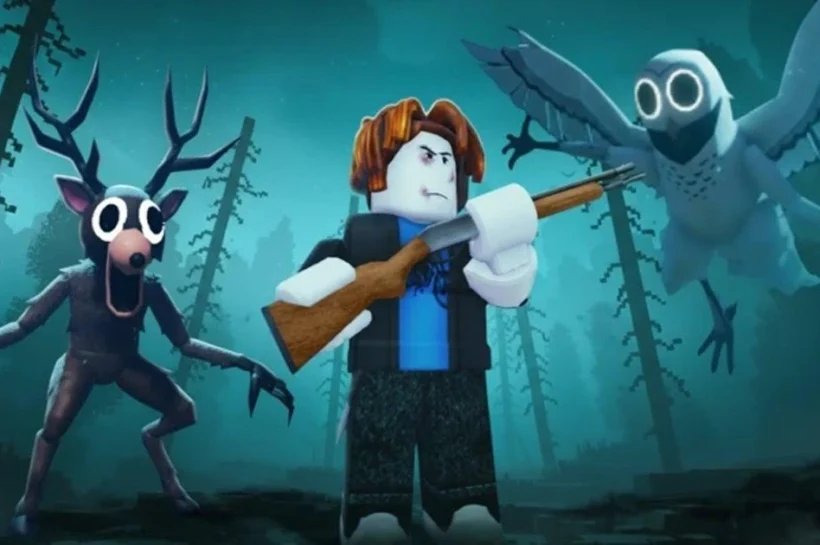
Roblox is packed with survival games, yet only a few make players willingly return after a long run ends in disaster. 99 Nights in the Forest earns that attention by turning a familiar survival setup into a flexible social adventure. Players gather supplies, protect a campfire, rescue missing children, face hostile creatures, and prepare for increasingly dangerous nights. The goals sound straightforward, but every attempt develops its own rhythm because the map, team decisions, resources, and sudden threats rarely align in quite the same way. That mixture of clear objectives and unpredictable problems creates a powerful “one more run” feeling.
Experimentation Keeps Every Run Feeling Personal
A major part of the game’s replay value comes from the freedom to approach survival differently each time. Some players concentrate on gathering wood and protecting the campfire, while others venture deeper into the forest to search for equipment, rescue children, or clear dangerous areas. That culture of experimentation has also encouraged the Roblox community to create strategy guides, class breakdowns, challenge formats, route suggestions, and 99 Nights in The Forest scripts that help players explore fresh approaches, understand game mechanics, and test ideas in appropriate settings. These community-made resources can give returning players new objectives to pursue, especially after they have already become familiar with the basic survival routine.
Failure rarely feels completely wasted because every unsuccessful attempt reveals something useful. A group that struggles during a later night may realise it expanded too quickly, neglected food supplies, or used valuable materials on the wrong upgrades. The next run then becomes an opportunity to adjust the plan, divide responsibilities differently, and experiment with another route. Since there is no single perfect method for surviving every situation, players are constantly encouraged to learn, adapt, and develop a style that suits the way they enjoy playing Roblox.
The Day and Night Cycle Creates Constant Pressure
The structure of each run gives players a routine without allowing them to relax for long. Daylight encourages exploration, gathering, crafting, trading, and preparation. Night changes the mood because visibility drops, enemies become a greater concern, and every missing resource suddenly feels important. A small mistake made earlier, such as wasting fuel or travelling too far from camp, can become a major problem once darkness arrives.
Players are always deciding what deserves attention first, and those choices become harder as the run continues. One team may spend the day strengthening its base, while another risks a long journey for rare supplies. Both plans can work, but each creates a different danger. The pressure also produces funny arguments, heroic rescues, panicked retreats, and memorable last-second saves.
Randomness Prevents Strategy from Becoming Mechanical
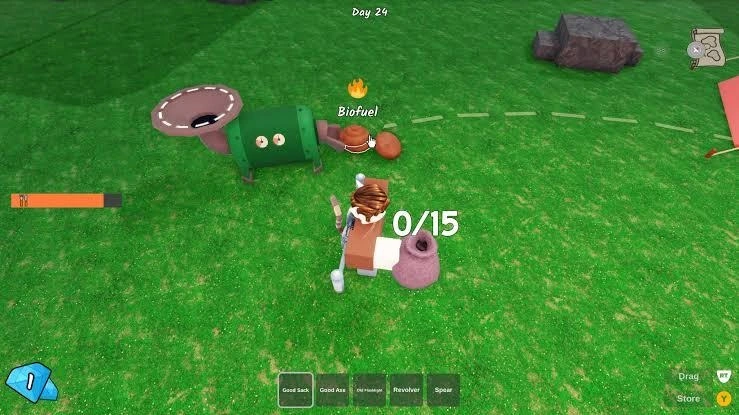
Replayable survival games need enough consistency for players to improve and enough variation to stop improvement from becoming automatic. 99 Nights in the Forest uses changing resource locations, encounters, loot opportunities, and map conditions to keep players alert. Someone may understand the purpose of an item or location yet still need to adapt when a run refuses to provide the ideal setup.
That uncertainty keeps experienced players involved. Useful equipment might arrive early in one attempt and remain unavailable in the next. Dangerous creatures can interrupt a route that usually feels safe. Familiar objectives demand fresh decisions because the surrounding circumstances have changed. Skill matters, although awareness and flexibility often decide which teams survive.
Classes Encourage New Roles and Team Combinations
The class system adds variety by giving players different starting advantages, items, and progression paths. Changing class can alter the opening minutes and influence the job someone performs for the group. Resource-focused choices support camp growth, combat options help during dangerous encounters, and specialised classes can create strategies that feel awkward with another team setup.
Class value also changes with the group. A role that feels limited during a solo attempt may become extremely useful when friends coordinate around it. Teams can focus on gathering, defence, exploration, crafting, or creature taming, then adjust after seeing where the plan struggles. Unlocking and mastering different classes encourages players to replay the game.
Cooperative Chaos Produces Stories Players Remember
Roblox thrives on shared experiences, and 99 Nights in the Forest understands how much replay value comes from other people. Someone forgets the fuel, another player disappears into the trees, a rescue begins too late, and the entire camp suddenly has to respond. These moments feel natural because they grow from player behaviour rather than a fixed cinematic sequence.
Different groups transform the atmosphere as well. Experienced friends can make a run feel like a coordinated expedition, while new players often create a messy comedy of errors. Solo play is quieter and methodical, whereas a full team introduces negotiation, role sharing, and unexpected decisions. The forest stays familiar, but the people inside it keep changing the experience.
📌More on This Topic: Game Videos
Crafting Creates Meaningful Trade-offs
Crafting supports replayability because resources rarely feel unlimited. Players must decide which tools, weapons, devices, and camp improvements deserve materials first. Choosing safety may slow exploration, while spending heavily on mobility or combat can leave the camp underprepared. The system encourages players to respond to the current run instead of following one recipe every time.
These trade-offs become interesting when a plan begins to fail. A group expecting easy exploration may suddenly need stronger defences. Players saving materials for a later upgrade may have to spend them immediately. Since each decision affects what becomes possible afterwards, even small resource choices can shape the whole run.
Long-Term Goals Give Failure a Purpose
The challenge of surviving 99 nights gives the game a satisfying destination, while rescue objectives and progression systems create smaller targets along the way. Players do not need to complete everything for a session to feel worthwhile. Reaching a later night, rescuing another child, learning a location, or improving a class can all feel like progress. The central premise involves building a camp, locating four missing children, and surviving threats such as the Deer, hostile animals, and Cultists.
This layered structure lets players set personal goals. Newcomers may simply try to survive longer, while veterans create speed runs, unusual class combinations, restricted item challenges, or efficient rescue routes. The main objective provides direction, but the flexible journey allows the community to invent additional ways to play.
Updates and Community Knowledge Refresh the Forest
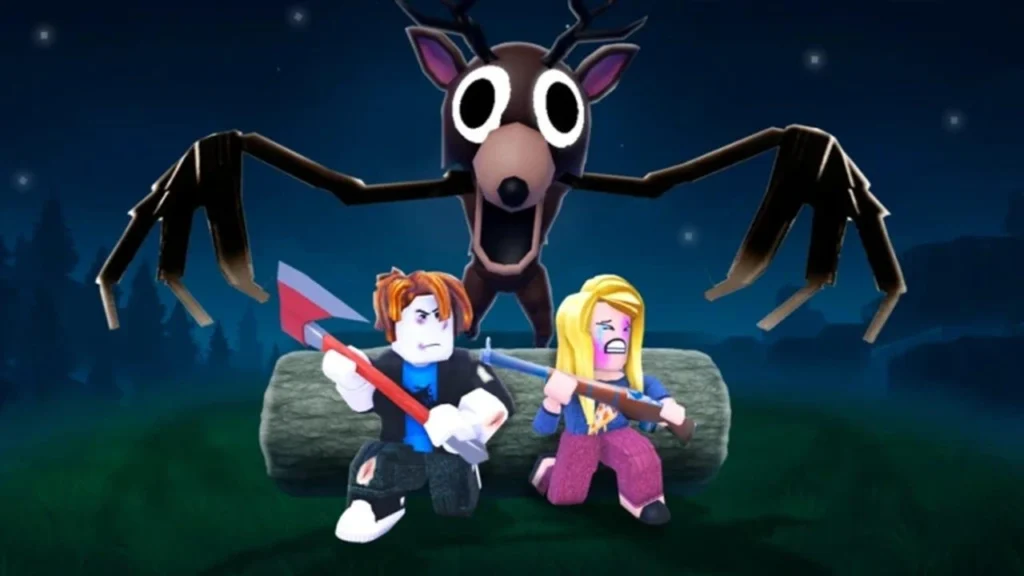
Fresh locations, events, items, mechanics, and classes can revive familiar systems. The developers have also created repeatable content, such as the Cultist Stronghold, giving players a reason to revisit dangerous areas and chase rewards. Seasonal updates introduce new problems without replacing the survival loop that attracted players initially.
The community stretches that value through tutorials, tier discussions, route explanations, challenge videos, and survival advice. Beginners can find help when the game feels overwhelming, while experienced players gain finer strategies to debate and test. This exchange keeps the experience active between updates and encourages players to approach familiar challenges from another angle.
Conclusion
The strongest reason 99 Nights in the Forest remains replayable is its combination of an understandable objective and countless possible situations. Players know they must gather, prepare, rescue, and survive, yet they cannot predict how the journey will unfold. Classes change team roles, randomness disrupts routines, crafting creates difficult choices, and cooperative partners introduce human unpredictability.
Every failed run leaves behind a lesson, a funny memory, or a new idea. Every successful run invites a faster, stranger, riskier, or more efficient approach. The forest may contain the same broad dangers, but the choices made inside it keep producing fresh Roblox adventures.
🖇This is what better content looks like. Follow Tech Statar for more.