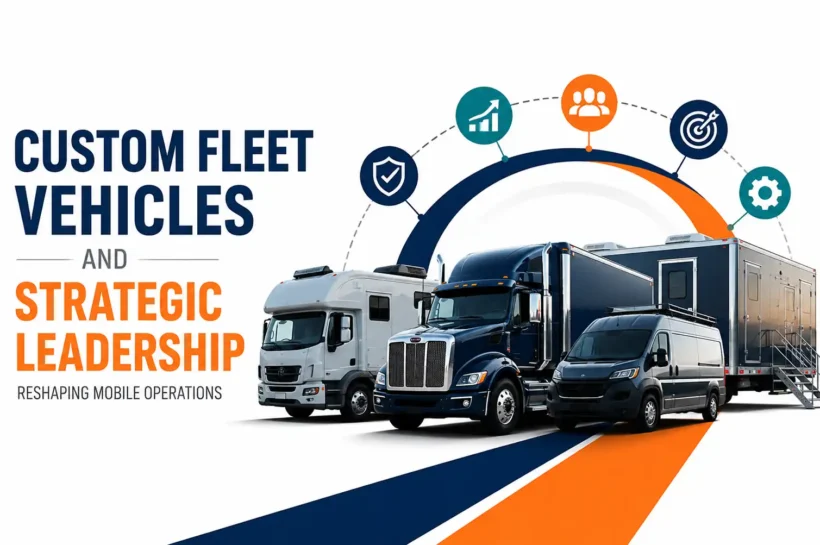

How Custom Fleet Vehicles and Strategic Leadership Are Reshaping Mobile Operations
The intersection of custom vehicle fabrication and fleet management strategy is no longer a niche conversation reserved for logistics insiders. As organizations across defense, government, and commercial sectors expand their mobile operations, the demand for purpose-built vehicles and forward-thinking fleet leadership has surged. Companies that once treated their vehicle fleets as afterthoughts are now investing heavily in both the physical infrastructure of their mobile assets and the executive talent needed to manage them effectively. This convergence is producing a new generation of operational capability that is smarter, more resilient, and more aligned with mission-critical demands.
The Growing Importance of Purpose-Built Fleet Vehicles
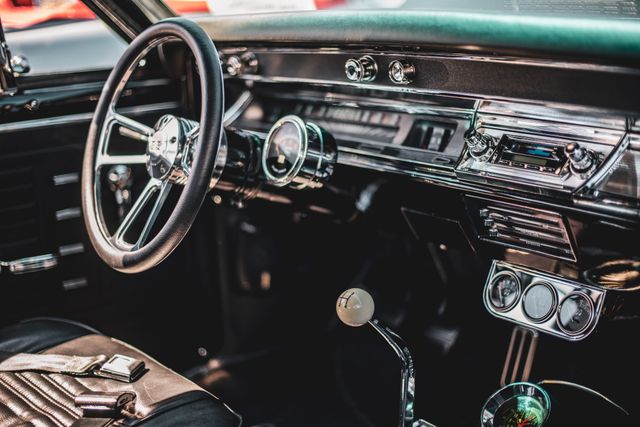
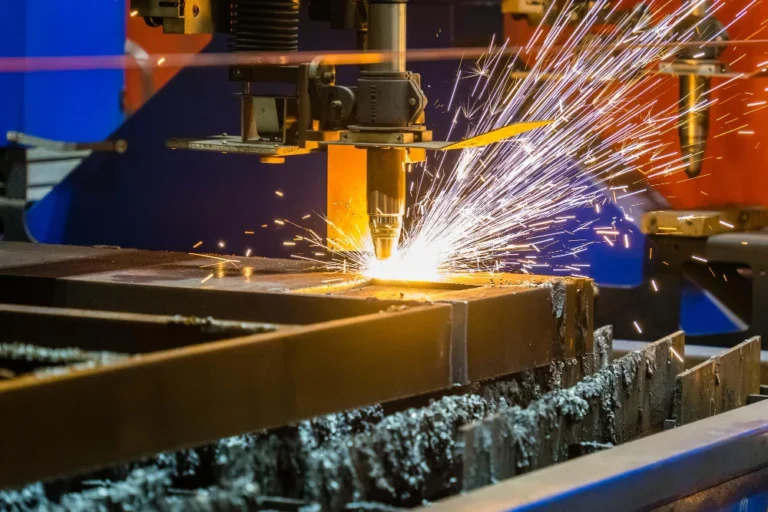
Standard commercial vehicles are rarely sufficient for organizations operating in complex or demanding environments. Whether the mission involves emergency response, mobile command, broadcast production, or military logistics, the vehicle itself must be engineered to support the work happening inside it. This has driven a significant shift toward custom fabrication, where every component from electrical systems and climate control to exterior branding and structural reinforcement is designed with a specific operational purpose in mind.
The benefits of this method extend far beyond aesthetics. A properly fabricated vehicle reduces downtime, improves crew efficiency, and ensures that sensitive equipment is protected during transport. Organizations that invest in purpose-built assets consistently report higher operational readiness and lower long-term maintenance costs. The upfront investment in quality fabrication pays dividends across the entire lifecycle of the vehicle.
Customization as a Competitive Advantage
In competitive industries, the ability to deploy a fully equipped, mission-ready vehicle on short notice is a genuine differentiator. Custom fleet vehicles allow organizations to consolidate equipment, reduce the number of assets required for a given operation, and present a professional, branded presence in the field. For government contractors and defense agencies, this level of readiness is not optional it is a baseline requirement. The ability to customize at scale, while maintaining rigorous quality standards, separates capable fabricators from commodity vendors.
Leadership Transitions Driving Fleet Strategy Forward
Fleet management is not purely a mechanical or logistical discipline. It requires strategic vision, cross-functional coordination, and the ability to anticipate operational needs before they become urgent problems. This is why executive leadership transitions within fleet-adjacent industries carry significant weight. When experienced professionals move into senior roles at organizations that support mobile operations, the ripple effects are felt across procurement, technology adoption, and vendor relationships.
A recent example of this dynamic can be seen in the cybersecurity and defense technology space, where a senior marketing executive joined a leading national security firm, signaling a broader trend of experienced leaders bringing fresh strategic perspectives to organizations that support government and defense operations. As organizations expand and modernize their vehicle fleets, understanding the role of electronic logging devices in commercial truck accident cases becomes increasingly important for improving compliance, safety, and operational accountability. These leadership moves often precede significant shifts in how organizations communicate their capabilities, pursue new contracts, and align their services with evolving mission requirements, all of which have downstream implications for fleet and mobile asset procurement.
The Role of Marketing and Brand Strategy in Fleet Industries
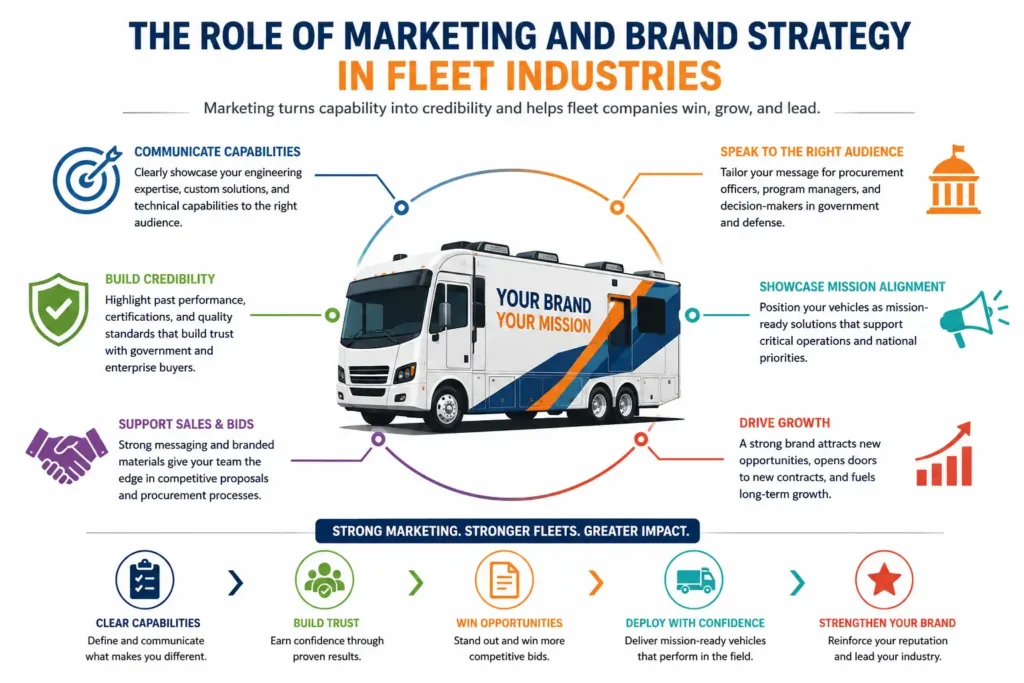
At first glance, marketing leadership and fleet vehicle management may seem unrelated, but they are more closely connected than many people realize. Organizations that fabricate and deploy custom vehicles must communicate their capabilities clearly to procurement officers, program managers, and contracting agencies. A strong brand narrative one that accurately reflects technical expertise, past performance, and mission alignment is essential for winning competitive bids. As defense and government contractors increasingly compete in crowded markets, the ability to articulate value through professional marketing has become a strategic asset in its own right.
Four Trends Transforming Fleet Management in 2024 and Beyond
The fleet management landscape is undergoing rapid transformation, driven by advances in telematics, electrification, autonomous systems, and data analytics. According to a Forbes Tech Council analysis on emerging fleet management trends, organizations that fail to adapt to these shifts risk falling behind in both operational efficiency and regulatory compliance. The convergence of connected vehicle technology and real-time data platforms is enabling fleet managers to make faster, more informed decisions about maintenance scheduling, route optimization, and asset utilization.
For organizations operating custom or specialty vehicles, these trends carry additional significance. A purpose-built command vehicle or mobile operations unit represents a substantial capital investment. Integrating telematics and predictive maintenance systems into these assets extends their useful life and ensures they remain operationally ready when needed most. The organizations best positioned to benefit from these trends are those that have already established strong relationships with fabricators capable of integrating advanced technology during the build process rather than retrofitting it afterward.
Electrification and Sustainability in Specialty Vehicle Fleets
Electric and hybrid powertrains are beginning to appear in specialty vehicle applications, though the transition is more complex than in standard commercial fleets. Custom vehicles often carry significant electrical loads from onboard equipment, which creates unique challenges for battery sizing, thermal management, and range planning. Fabricators with deep engineering expertise are working closely with fleet operators to develop solutions that meet both sustainability goals and operational requirements. This collaboration between fabrication specialists and fleet strategists will define the next generation of mobile operations infrastructure.
Craftsmen Industries: A Benchmark in Custom Vehicle Fabrication
When evaluating partners for custom vehicle fabrication, experience, engineering depth, and a demonstrated track record across diverse industries are the most reliable indicators of quality. Craftsmen Industries has established itself as a premier fabricator of custom trailers, specialty vehicles, and mobile marketing units, serving clients across government, defense, entertainment, and commercial sectors. Their ability to deliver complex, fully integrated builds on schedule and within specification has made them a trusted partner for organizations that cannot afford operational compromises.
What distinguishes a fabricator of this caliber is not simply the quality of individual builds, but the institutional knowledge that informs every project. Understanding how a vehicle will be used in the field, the environmental conditions it will face, the equipment it must support, and the personnel who will operate it requires a level of client engagement that goes far beyond standard manufacturing. This consultative approach to fabrication is what separates industry leaders from commodity providers.
💡 Explore More Insights: The Role of Electronic Logging Devices in Commercial Truck Accident Cases
Conclusion: Aligning Fabrication Excellence with Strategic Vision
The future of mobile operations belongs to organizations that treat their vehicle fleets as strategic assets rather than operational necessities. This means investing in purpose-built fabrication, embracing emerging fleet management technologies, and cultivating the leadership talent needed to navigate an increasingly complex operational landscape. As the lines between physical infrastructure, digital systems, and organizational strategy continue to blur, the organizations that thrive will be those capable of integrating all three with precision and intentionality. Custom vehicle fabrication is not the end of the conversation it is the foundation upon which effective mobile operations are built.
✨ Turn insights into power. Follow Tech Statar.