
Why Corrosion Protection Is a Design Decision, Not an Afterthought
Steel components used in transportation and cargo handling face a slow, persistent adversary that has nothing to do with mechanical stress or load capacity: environmental exposure. Rain, salt spray, humidity, and temperature swings work continuously on exposed metal surfaces, and the finish applied to that metal often determines whether a component remains functional for decades or requires premature replacement within just a few years. This makes corrosion protection a genuine engineering decision rather than a cosmetic afterthought applied once the real design work is finished.
Base Metal Strength Means Little Without Surface Protection
Steel’s structural properties, tensile strength, yield strength, fatigue resistance, get determined primarily through alloy composition and manufacturing process. These properties remain largely irrelevant if the metal corrodes to failure before it ever gets meaningfully stressed by its intended mechanical load. Corrosion doesn’t just affect appearance. It actively reduces a component’s cross-sectional thickness over time, which directly and measurably reduces the actual load capacity a corroded component can safely handle compared to its original engineered specification.
This relationship between corrosion and structural capacity matters enormously for components that need to maintain rated performance over long service periods, since a component rated for a specific working load when new may no longer safely handle that same load years later if corrosion has meaningfully reduced its effective material thickness in load-bearing areas.
Galvanization Provides a Sacrificial Layer of Protection
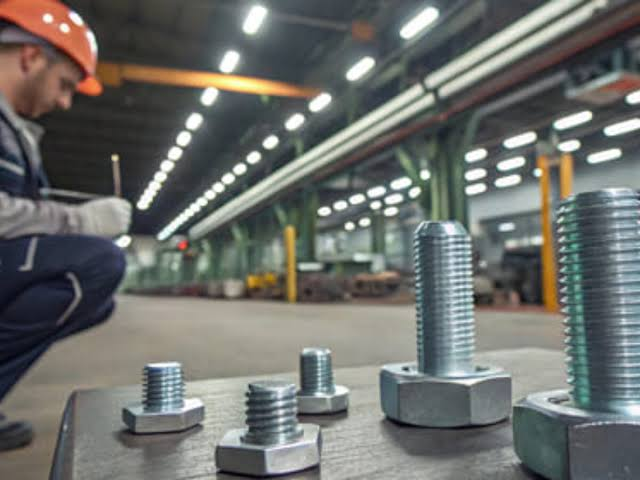
Hot-dip galvanizing, a process where steel components get submerged in molten zinc, creates a protective coating that works through a specific chemical mechanism rather than simply forming a physical barrier. Zinc corrodes preferentially compared to the underlying steel, meaning the zinc coating sacrifices itself to environmental exposure while protecting the steel structure beneath it from corroding directly. This sacrificial protection continues functioning even if the galvanized coating gets scratched or damaged in small areas, since the surrounding zinc continues protecting the exposed steel at the damage site through the same electrochemical process.
This sacrificial mechanism explains why galvanized components generally outperform components with purely cosmetic paint coatings in demanding environments, since paint provides only physical barrier protection that fails completely once scratched or chipped, while galvanizing continues providing meaningful protection even after minor surface damage occurs.
Specialized Coatings Address Specific Operational Requirements
Beyond basic corrosion resistance, certain applications require coatings that address additional operational considerations specific to their intended use environment. Military and tactical applications, for instance, sometimes require coatings that reduce a component’s visual and thermal signature, addressing operational security considerations that purely civilian applications never need to account for. These specialized coatings need to provide their intended functional benefit, whether that’s reduced visibility, corrosion resistance, or both simultaneously, without compromising the underlying structural integrity or mechanical function of the component they’re applied to.
Components combining multiple functional requirements within a single coating system illustrate this layered design consideration clearly. A cargo tie down rings assembly rated for both civilian flatbed use and military field applications may incorporate galvanized protection for baseline corrosion resistance alongside additional specialized coating layers addressing visibility reduction for tactical deployment scenarios, demonstrating how a single component’s finish specification can address multiple distinct operational requirements simultaneously rather than optimizing for corrosion resistance alone.
Coating Selection Requires Matching Protection Level to Actual Exposure
Not every application justifies the most robust available corrosion protection option, since more comprehensive protective coatings generally cost more to apply and sometimes involve tradeoffs in other performance characteristics. Components used exclusively in controlled indoor settings typically face far less corrosion than those exposed to marine conditions, road salt, or harsh outdoor weather. As a result, coating specifications should be based on actual service conditions rather than automatically requiring the highest level of protection.
This matching exercise between protection level and actual exposure risk requires honest assessment of a component’s real-world service environment, since both under-protecting components in harsh environments and over-specifying protection for genuinely low-exposure applications represent suboptimal engineering and cost decisions in their own respective directions.
Maintenance Expectations Should Reflect Coating Limitations
Even well-designed corrosion protection systems have finite service lives and benefit from periodic inspection rather than being treated as permanent, maintenance-free solutions. Galvanized coatings, while durable, do eventually deplete their protective zinc layer through continuous sacrificial protection, particularly in consistently harsh environments where corrosion pressure remains constant over years of service. Components in continuous demanding service benefit from periodic visual inspection to assess coating condition, allowing for proactive maintenance or recoating before the underlying steel structure itself begins experiencing direct corrosion damage.
Protection Strategy Should Match Component Criticality
Components serving critical load-bearing or safety functions warrant particularly careful corrosion protection consideration, since the consequences of undetected corrosion-related structural weakening in these components extend well beyond simple component replacement cost into genuine safety risk during actual use. Organizations specifying and maintaining transportation and cargo handling equipment benefit from treating corrosion protection specification with the same rigor applied to a component’s basic load rating, recognizing that a component’s real-world working life depends just as much on how well it resists environmental degradation as it does on its original mechanical design and material strength.
✨ Don’t stop here, follow Tech Statar for daily upgrades.