
What Are AI Chatbots for Customer Support?
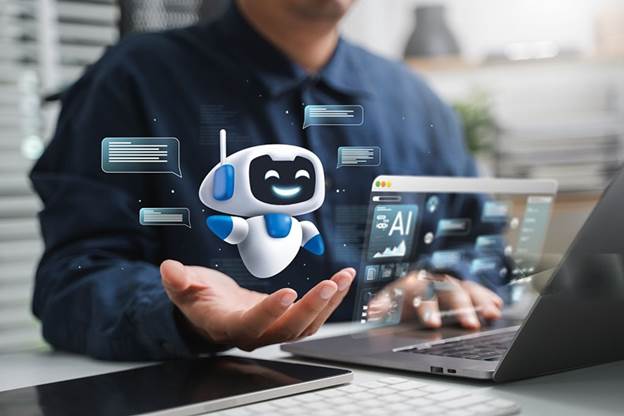
AI chatbots for customer support are software tools designed to handle customer questions through automated conversations. Instead of relying entirely on human agents, these chatbots use artificial intelligence to understand messages, respond with relevant answers, and guide users through common support tasks. Businesses typically integrate them into websites, mobile apps, and messaging platforms to assist customers instantly.
Today, AI chatbots are very advanced. They can learn from conversations, recognize customer intent, and provide helpful solutions without constant human involvement. As customer expectations for fast support continue to grow, AI chatbots help companies deliver quick responses while reducing the pressure on support teams.
In this guide, we’ll explore five of the best AI chatbots for customer support, along with their key capabilities and how they compare.
Why Businesses Are Using AI Chatbots for Customer Support
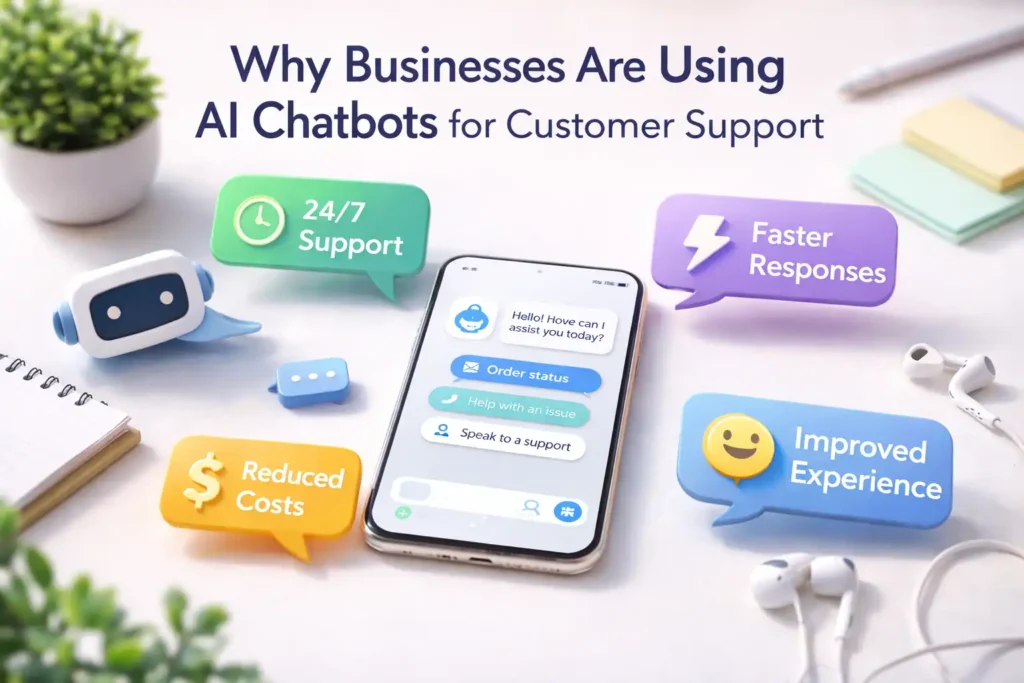
Businesses today face increasing customer expectations. People want quick responses, personalized help, and support that is available at any time. AI chatbots make this possible by automating many common support interactions. Instead of relying solely on large support teams, companies can use chatbots to answer frequent questions, guide users through processes, and collect important customer information.
Another key advantage is scalability. As a business grows, customer inquiries increase as well. AI chatbots allow companies to manage higher support volumes without dramatically increasing costs. By combining automation with human support agents, businesses can deliver faster service, maintain consistent responses, and create a smoother overall customer experience.
24/7 Customer Support Without Hiring More Staff
One of the biggest advantages of AI chatbots is their ability to provide round-the-clock support. Customers can ask questions at any time and receive immediate responses, even outside normal business hours. This reduces frustration and ensures that users always have access to help without requiring companies to hire additional support staff.
Faster Response Times and Instant Resolutions
Speed plays a very crucial role in customer satisfaction. AI chatbots can respond within seconds, eliminating long wait times. Instead of waiting for an agent to become available, customers receive quick answers to common questions. This instant interaction improves the overall support experience and helps resolve many issues before they escalate.
Reduced Support Costs and Operational Efficiency
Managing large customer support teams can become expensive over time. AI chatbots help reduce operational costs by automating repetitive tasks such as answering FAQs or collecting customer details. Support agents can then focus on more complex problems, allowing businesses to operate more efficiently while maintaining strong service quality.
Improved Customer Experience and Satisfaction
Customers appreciate fast, helpful, and convenient support. AI chatbots contribute to a smoother experience by guiding users to answers quickly. They can provide personalized suggestions, offer step-by-step instructions, and direct customers to the right resources. When implemented properly, chatbots help businesses create more satisfying support interactions.
Main Features to Look for in an AI Customer Support Chatbot
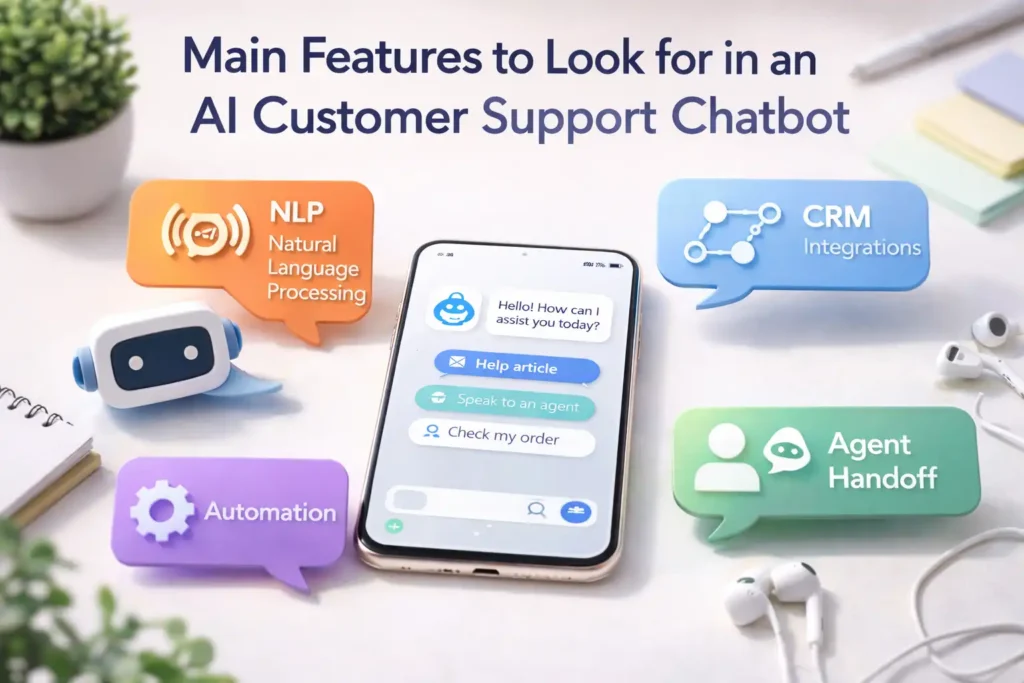
Choosing the right AI chatbot requires understanding the features that truly improve customer support operations. A good chatbot should do more than simply respond to basic questions. It should understand natural language, connect with existing support tools, and automate repetitive processes. These capabilities allow businesses to deliver faster responses while keeping conversations relevant and helpful.
Another important factor is flexibility. The best AI chatbots integrate with CRM platforms, helpdesk systems, and messaging channels so support teams can manage conversations efficiently. Features like human handoff and analytics also play a key role in improving performance. By selecting a chatbot with the right capabilities, companies can create a support system that is both scalable and customer-friendly.
Natural Language Processing (NLP)
Natural language processing allows AI chatbots to understand customer questions more accurately. Instead of relying on exact keywords, NLP analyzes the meaning and intent behind messages. This helps chatbots respond in a more conversational way and handle different variations of the same question, making interactions feel more natural.
Omnichannel Messaging Support
Customers interact with businesses through multiple channels such as websites, social media, and messaging apps. An effective AI chatbot should support conversations across these platforms. Omnichannel support ensures customers receive consistent help whether they reach out through live chat, mobile apps, or social messaging services.
CRM and Helpdesk Integrations
Integration with CRM and helpdesk tools helps AI chatbots access valuable customer information. This allows them to provide more personalized responses and assist with tasks like checking orders or updating support tickets. Strong integrations also ensure that support teams can manage conversations efficiently from a central platform.
Automation and Workflow Capabilities
Automation allows chatbots to handle repetitive support tasks without human intervention. For example, they can guide users through troubleshooting steps, collect customer details, or create support tickets automatically. These workflows streamline the support process and help businesses resolve issues more quickly.
Human Agent Handoff
Even the most advanced chatbots cannot solve every problem. A good AI chatbot should be able to transfer conversations smoothly to a human support agent when needed. This ensures that complex or sensitive issues are handled by real people while still benefiting from chatbot automation.
Analytics and Performance Insights
Analytics help businesses understand how well their chatbot is performing. Data such as response accuracy, conversation volume, and customer satisfaction provide valuable insights. By analyzing this information, companies can improve chatbot training, optimize responses, and continuously enhance the overall customer support experience.
5 Best AI Chatbots for Customer Support
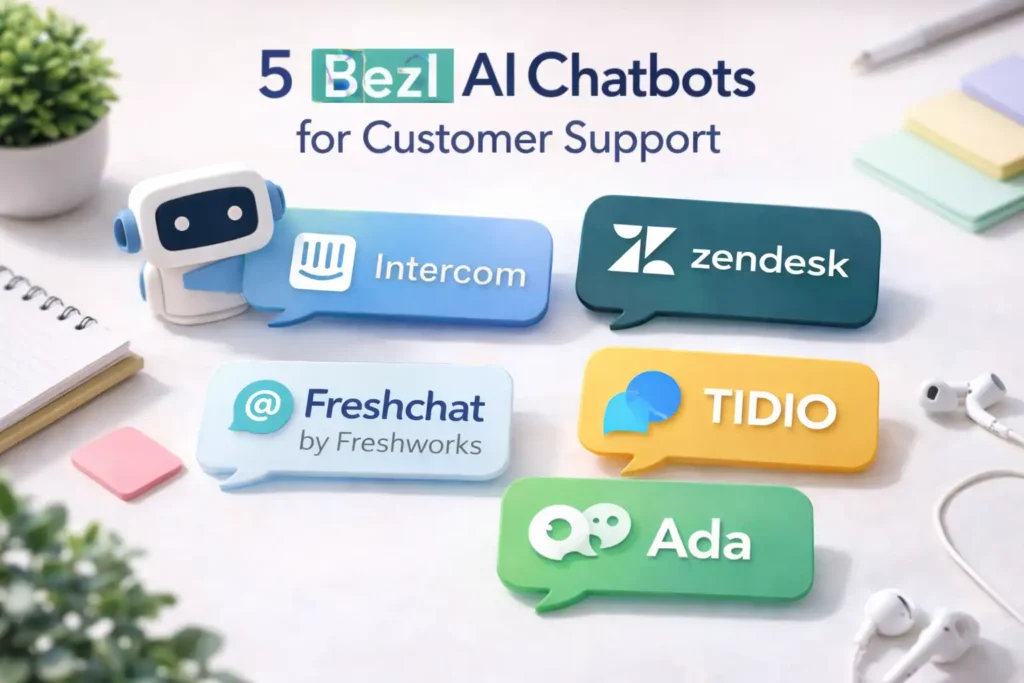
AI chatbots are transforming the way companies manage customer support. Instead of relying only on human agents, businesses now use AI tools to handle repetitive questions, guide customers to solutions, and provide instant responses across multiple channels. The right chatbot can reduce support workload while improving response speed and overall customer satisfaction.
Today’s leading customer support chatbots combine automation, natural language processing, and integrations with helpdesk platforms. This allows businesses to manage conversations more efficiently and scale their support operations as they grow. Below are five of the best AI chatbots for customer support, each offering unique features designed to improve customer communication and streamline support workflows.
1. Intercom (Best AI Chatbot for SaaS Support)
Intercom is widely used by SaaS companies that want to combine customer support, product guidance, and live chat in one platform. Its AI chatbot helps businesses automate common conversations while still allowing human agents to step in when needed. The platform is known for its clean interface and powerful automation features.
Many SaaS businesses use Intercom to guide new users, answer product questions, and provide fast technical support. Its chatbot can pull information from knowledge bases and past interactions to deliver accurate responses. Because of its strong integrations and user-focused design, Intercom has become a popular choice for companies that want smarter customer communication.
Key Features
Key features include AI-powered automated replies, conversation routing, and knowledge base integration. Intercom also supports proactive messaging, which allows businesses to send helpful prompts or onboarding messages. Its chatbot can gather customer details, create support tickets, and assist users before a human agent joins the conversation.
Best For
Intercom is best suited for SaaS companies and digital businesses that want to combine product support, onboarding, and customer communication. Its chatbot works particularly well for guiding users through software features, solving common problems quickly, and improving the overall customer experience.
👉 You might also like: 5 Best Website Security Tools for Developers in 2026
2. Zendesk AI (Best Enterprise Customer Support Chatbot)
Zendesk AI is designed for organizations that handle large volumes of customer inquiries. Built on top of the Zendesk support platform, this AI chatbot helps companies automate responses, manage tickets, and provide consistent service across multiple channels. It is commonly used by enterprises that require scalable and structured support systems.
The chatbot works closely with Zendesk’s helpdesk tools, allowing it to access knowledge base articles, create support tickets, and route complex issues to human agents. Because of its deep integration with the broader support ecosystem, Zendesk AI helps businesses maintain organized and efficient customer service operations.
Key Features
The platform includes automated ticket handling, intelligent routing, and knowledge base suggestions. Zendesk AI also supports multilingual conversations, making it useful for global businesses. Its automation tools help teams manage large volumes of requests without sacrificing response quality or consistency.
Best For
Zendesk AI is ideal for enterprises or large support teams that handle high customer volumes. Companies that already use Zendesk for helpdesk management will benefit most, as the chatbot integrates directly with existing workflows and support processes.
3. Freshchat by Freshworks (Best Omnichannel Support Chatbot)
Freshchat, developed by Freshworks, is a popular customer messaging platform designed to support conversations across multiple communication channels. It allows businesses to manage chat, email, social media messages, and in-app conversations from a single system. Its AI chatbot helps automate replies and guide customers to relevant support resources.
Freshchat is known for its flexible design and strong omnichannel capabilities. Companies can use the chatbot to answer common questions, collect user information, and route conversations to support agents when necessary. This helps businesses maintain consistent communication across various customer touchpoints
Key Features
Important features include omnichannel messaging, AI-powered conversation automation, and built-in integrations with CRM systems. Freshchat also provides tools for conversation routing and customer segmentation. These capabilities help businesses manage multiple communication channels while keeping support organized.
Best For
Freshchat works best for businesses that need omnichannel support. Companies that manage customer conversations across websites, apps, and social platforms can benefit from its centralized messaging system and AI-powered automation tools.
👉 You might also like: Oncepik: How It Improves Productivity and Workflow
4. Tidio (Best AI Chatbot for Small Businesses)
Tidio is a lightweight yet powerful chatbot solution designed for small and growing businesses. It combines live chat, automation, and AI-powered responses in a simple interface that is easy to set up. Many e-commerce stores and startups use Tidio to handle customer questions without building large support teams.
The platform focuses on simplicity and affordability while still offering useful automation tools. Businesses can quickly create chatbot workflows that answer frequently asked questions, track orders, or guide customers toward relevant products. This helps small teams manage customer communication more efficiently.
Key Features
Key features include AI-powered chat automation, ecommerce integrations, and customizable chatbot workflows. Tidio also offers visitor tracking and automated responses based on user behavior. These tools help businesses respond quickly to customer questions and improve engagement.
Best For
Tidio is best suited for small businesses, e-commerce stores, and startups that want an easy way to automate customer support. It helps smaller teams handle inquiries quickly without investing heavily in complex customer service platforms.
5. Ada (Best AI Chatbot for Large-Scale Automation)
Ada is built specifically for large companies that want to automate a significant portion of their customer support interactions. The platform focuses on AI-driven automation that can handle complex conversations while maintaining accurate and helpful responses. Many global brands use Ada to manage high support volumes efficiently.
Ada allows businesses to build advanced chatbot workflows that guide customers through troubleshooting steps, account management tasks, and product support questions. Its automation capabilities help companies reduce ticket volume while maintaining consistent customer service quality.
Key Features
Important features include advanced AI conversation handling, automation workflows, and deep integrations with support platforms. Ada also offers analytics tools that help businesses measure chatbot performance and identify opportunities to improve automation strategies.
Best For
Ada is best for large companies that want to automate a significant percentage of customer support interactions. Businesses with high ticket volumes and complex workflows benefit the most from its advanced automation capabilities.
Comparison of the Best AI Chatbots for Customer Support
Choosing the right AI chatbot often depends on business size, support volume, and integration needs. Some platforms focus on simplicity and affordability, while others are designed for complex enterprise environments. By comparing their features, businesses can identify the chatbot that fits their support strategy and technical requirements.
The tools listed above offer different strengths. Some specialize in SaaS customer communication, while others focus on omnichannel messaging or enterprise automation. Reviewing their core capabilities helps companies select a chatbot that improves response time, streamlines support workflows, and enhances the overall customer experience.
Feature Comparison Table
| Chatbot | Best For | Key Features | Integrations | Pricing |
| Intercom | SaaS companies | AI chat automation, product guidance | CRM, SaaS tools | Mid to high tier |
| Zendesk AI | Enterprises | Ticket automation, support workflows | Zendesk ecosystem | Tier-based |
| Freshchat | Omnichannel support | Multi-channel messaging, automation | CRM and helpdesk tools | Flexible plans |
| Tidio | Small businesses | Easy automation, e-commerce chat | Shopify, websites | Free + paid plans |
| Ada | Large enterprises | Advanced automation, AI workflows | Support platforms | Custom pricing |
How to Choose the Right AI Chatbot for Your Business
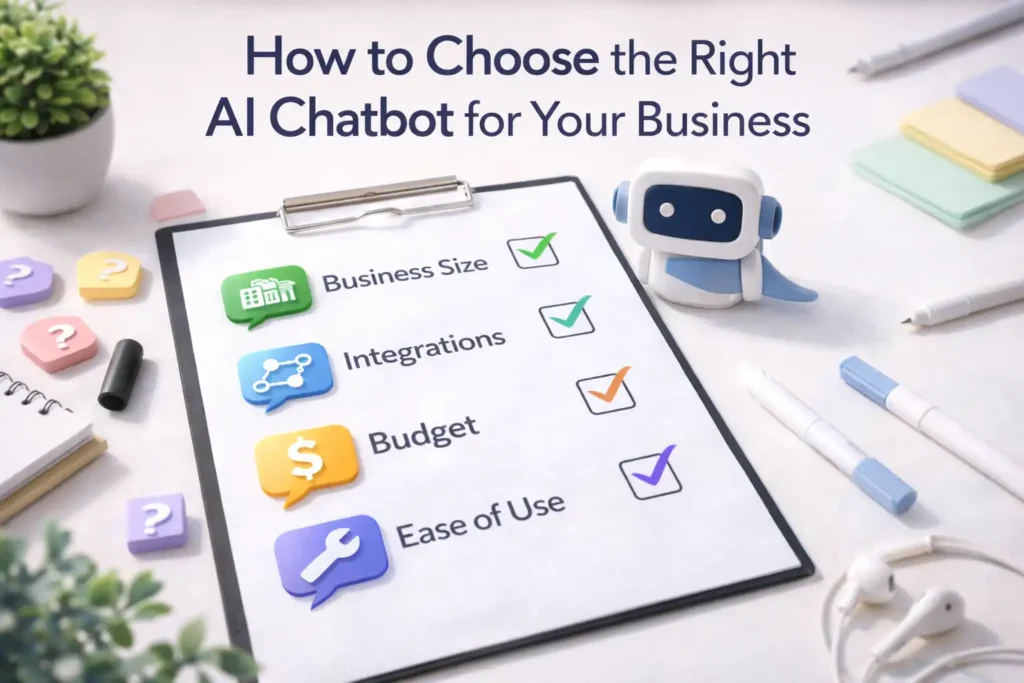
Selecting the right AI chatbot depends on several factors that align with your company’s support needs. It’s not just about picking a popular tool; you need a solution that integrates well with your workflow, supports the right channels, and scales as your business grows. Consider your team size, expected support volume, budget, and the platforms you already use. The goal is to choose a chatbot that enhances efficiency, improves customer satisfaction, and allows your human agents to focus on complex queries while automating repetitive tasks.
Business Size and Support Volume
The size of your business and the number of support requests you handle daily should guide your chatbot choice. Small businesses may need a lightweight tool for basic inquiries, while larger enterprises require more advanced features to manage high volumes. Matching chatbot capacity to support demand ensures faster response times, prevents customer frustration, and allows human agents to focus on complex cases rather than routine questions.
Required Integrations and Platforms
A chatbot should integrate seamlessly with the tools your team already uses, including CRM systems, helpdesk platforms, and messaging channels. Without proper integration, support teams may struggle to manage conversations efficiently. Look for platforms that connect across web, mobile, social, and email channels. Omnichannel integration ensures customers receive consistent support, and agents have all relevant information in one place.
Budget and Pricing Model
Pricing is a crucial factor, especially for startups and small businesses. Some chatbots offer free or low-cost tiers suitable for limited use, while enterprise platforms charge for advanced features or higher volumes. Consider both upfront costs and long-term scalability. The best approach is to choose a tool that fits your budget while offering features necessary to improve response times, automate repetitive tasks, and provide meaningful analytics.
Ease of Setup and Customization
A chatbot should be easy to set up and flexible enough to customize workflows for your business needs. Platforms with drag-and-drop builders, pre-built templates, and AI training support reduce setup time. Customization options allow you to tailor responses, create automated workflows, and match your brand voice. Choosing a user-friendly solution ensures your team can implement the chatbot quickly and maintain it effectively.
👉 You might also like: NovaPG: AI-Powered Project Management Tool
Conclusion
AI chatbots are transforming customer support by automating repetitive tasks, improving response times, and enhancing the overall customer experience. The top five tools, Intercom, Zendesk AI, Freshchat, Tidio, and Ada, offer a range of features suited for businesses of all sizes.
Selecting the right chatbot depends on support volume, integrations, budget, and setup requirements. By combining AI automation with human agents, companies can provide fast, accurate, and personalized support while keeping operational costs manageable. Investing in a quality AI chatbot ensures a scalable and customer-friendly support system for the future.
Frequently Asked Questions (FAQs)
AI chatbots are a common topic for businesses exploring customer support automation. These FAQs address key concerns about capabilities, costs, and integration to help teams make informed decisions. Understanding the basics ensures companies select a chatbot that meets operational requirements while providing a positive customer experience.
What is the best AI chatbot for customer support?
The best AI chatbot depends on business size, support needs, and integration requirements. Platforms like Intercom, Zendesk AI, Freshchat, Tidio, and Ada each offer unique strengths suited for different scenarios, from small businesses to enterprise-level operations.
Are AI chatbots better than live agents?
AI chatbots excel at handling routine tasks and providing instant responses, but cannot fully replace human agents. A hybrid approach combining automation and human support delivers the best results, ensuring efficiency while maintaining personalized service.
How much does an AI customer support chatbot cost?
Costs vary depending on features, number of users, and business size. Some platforms offer free or affordable plans for small teams, while enterprise-level solutions with advanced AI and automation may require custom pricing based on support volume and integration needs.
Can small businesses use AI chatbots?
Absolutely. Many AI chatbot platforms are designed specifically for small businesses, providing easy setup, affordable pricing, and essential automation features. These tools help small teams manage customer support efficiently without needing a large staff.
Do AI chatbots integrate with CRM tools?
Yes. Most modern AI chatbots support integration with CRM systems, helpdesk platforms, and messaging channels. This enables personalized responses, unified customer data, and streamlined workflows, allowing support teams to manage conversations more effectively.
✨ Keep your knowledge sharp. Follow Tech Statar.