

Introduction
Wepbound is quickly becoming a famous word in the world of digital technology and web innovation. At its core, Wepbound represents a modern approach to connectivity and online interaction, designed to make the web more secure, decentralized, and efficient. Businesses and developers alike are exploring how Wepbound can streamline operations, protect data, and improve user experiences. In this article, we’ll break down exactly what Wepbound is, how it works, and why it’s gaining attention. By the end, you’ll understand its value and practical applications in today’s digital landscape.
What Is Wepbound?
Wepbound is essentially a framework for modern web communication, combining security, speed, and decentralization in a single platform. Unlike traditional web technologies, which rely heavily on central servers, Wepbound distributes operations across multiple nodes, improving reliability and resilience. Many people confuse it with Web3 or blockchain, but Wepbound is broader, offering tools for peer-to-peer interaction, secure browsing, and enhanced connectivity. It’s designed to support developers and businesses who want a more robust, user-centric web experience while addressing privacy and performance concerns that have long plagued conventional web solutions.
The concept of Wepbound emerged from the need for a faster, safer, and more interactive web. Initially aimed at developers seeking decentralized alternatives, it has evolved into a versatile tool for businesses and everyday users. Over time, its features expanded to include real-time data processing, enhanced security protocols, and compatibility with emerging web technologies. This evolution reflects the growing demand for web solutions that are not just functional but also adaptable, scalable, and secure, making Wepbound an attractive choice for tech-forward organizations looking to stay ahead.
How Wepbound Works
Wepbound operates by decentralizing web processes and distributing tasks across multiple nodes, which reduces the strain on any single server. This approach improves speed, reduces downtime, and enhances security, since sensitive information isn’t stored in one location. Developers can integrate Wepbound into existing systems using APIs, SDKs, and pre-built modules, making adoption easier. For businesses, this means faster loading times, reliable uptime, and more secure transactions. Wepbound also supports real-time analytics, giving companies insight into user behavior and performance, so decision-making becomes smarter and more data-driven.
Key Features of Wepbound
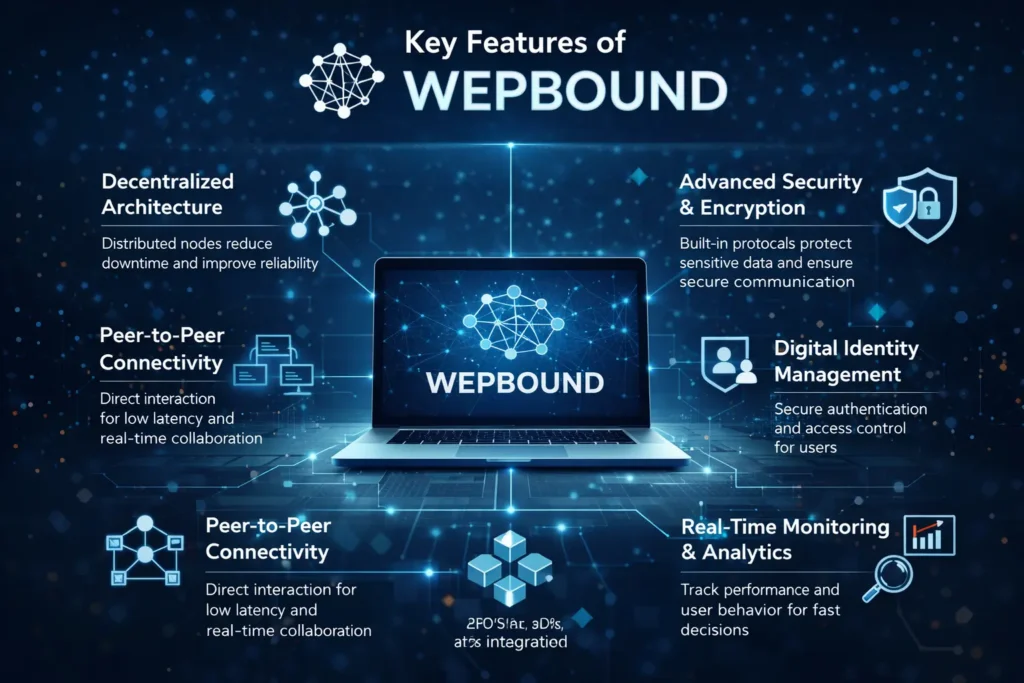
Wepbound stands out because of its comprehensive set of features that make web interactions faster, safer, and more efficient. From decentralized browsing and peer-to-peer communication to enhanced security protocols, it addresses challenges that traditional web frameworks often overlook. Wepbound’s architecture is designed to handle complex operations while remaining user-friendly, offering real-time analytics, seamless integration with existing systems, and robust digital identity management. These features not only empower developers but also allow businesses to deliver smoother, faster, and more secure experiences to their customers in a competitive digital landscape.
Decentralized Browsing & Connectivity
Unlike traditional web solutions, Wepbound distributes data across multiple nodes, reducing dependency on central servers. This decentralized approach enhances reliability, minimizes downtime, and improves load times. Users experience faster access to web services while businesses benefit from a resilient system that can handle high traffic without bottlenecks or crashes.
Security & Encryption Protocols
Security is at the core of Wepbound. It incorporates advanced encryption techniques to protect data in transit and at rest. With built-in privacy features, businesses and developers can safeguard sensitive information, prevent breaches, and maintain user trust, which is crucial in today’s cyber landscape.
Peer-to-Peer Communication
Wepbound allows direct interaction between nodes or users, eliminating intermediaries and reducing latency. Peer-to-peer communication enhances collaboration, file sharing, and transactional efficiency. This feature is particularly useful for real-time applications where speed and reliability are essential.
Digital Identity & Access Management
Managing digital identities securely is critical for modern web platforms. Wepbound offers tools for verifying and controlling access, ensuring that only authorized users interact with the system. This improves compliance, reduces fraud, and provides businesses with a clear structure for permissions.
Real-Time Analytics & Monitoring
Wepbound provides built-in analytics tools that monitor system performance and user behavior in real time. Companies can track traffic patterns, engagement metrics, and operational bottlenecks instantly, allowing smarter decisions and proactive optimization.
👉 You might also like: What is iMsgtroid & What You Need to Know Before Trying
Benefits of Wepbound
Wepbound isn’t just about technology; it delivers tangible advantages for both developers and businesses. Its decentralized architecture ensures better uptime, speed, and reliability, while built-in security protects users and data. Businesses adopting Wepbound experience cost efficiency because infrastructure requirements are lower compared to traditional web systems. Its versatility allows seamless integration into various applications, whether for e-commerce, enterprise platforms, or real-time communication tools. Ultimately, Wepbound empowers organizations to deliver faster, safer, and more interactive online experiences while maintaining operational efficiency and user satisfaction in a competitive digital market.
Improved Security and Privacy
Wepbound encrypts data across distributed nodes, reducing vulnerabilities. Users can interact with confidence, knowing sensitive information is protected, while businesses meet compliance requirements more easily.
Enhanced Performance and Speed
By offloading tasks to multiple nodes, Wepbound reduces server load and latency. Websites and apps run more smoothly, delivering faster response times for end-users and better engagement rates.
Better Interoperability and Integration
Wepbound’s flexible design makes it compatible with existing systems, APIs, and cloud services. Companies can adopt it without overhauling their current infrastructure, saving time and resources.
Cost and Resource Efficiency
With distributed processing and minimal dependency on centralized servers, Wepbound lowers operational costs. Businesses spend less on maintenance, hosting, and downtime, maximizing ROI on digital investments.
Applications and Use Cases
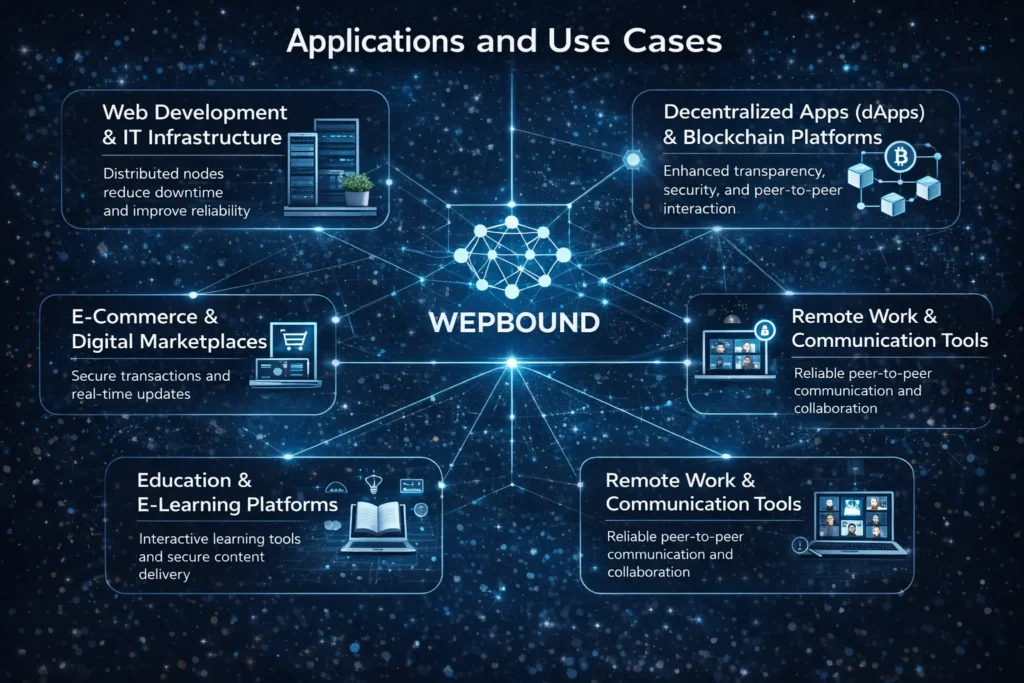
Wepbound is versatile, supporting a wide range of applications across industries. Developers can use it to build decentralized apps, optimize web platforms, and enhance digital services. Businesses leverage it to improve user experience, secure transactions, and analyze real-time data. Its utility spans from e-commerce and education to remote work solutions, proving its adaptability. By implementing Wepbound, organizations can modernize their web operations, streamline workflows, and offer innovative features that traditional web systems struggle to provide, making it an essential tool for any tech-forward enterprise.
Web Development & IT Infrastructure
Developers use Wepbound to create responsive, secure, and efficient web platforms. Its decentralized model improves reliability while reducing server dependency.
Decentralized Apps (dApps) and Blockchain Platforms
Wepbound integrates with blockchain systems to enhance transparency, security, and peer-to-peer interaction in decentralized applications.
E-Commerce and Digital Marketplaces
Businesses leverage Wepbound to ensure secure transactions, real-time updates, and smooth customer experiences, improving trust and engagement.
Education and E-Learning Platforms
Wepbound supports interactive learning tools, secure content delivery, and collaborative platforms for students and educators alike.
Remote Work and Communication Tools
By enabling reliable peer-to-peer communication, Wepbound enhances remote collaboration, reducing latency and improving workflow efficiency.
Wepbound vs Related Technologies
Wepbound stands out in the web technology landscape because it combines decentralization, security, and real-time functionality in ways other platforms don’t. While Web3 focuses primarily on blockchain applications and traditional web frameworks rely on central servers, Wepbound integrates peer-to-peer communication, distributed processing, and digital identity management. It also supports interoperability with existing tools and cloud services, giving developers flexibility that few alternatives provide. Understanding these differences helps businesses choose the right solution for their needs and ensures that Wepbound’s unique benefits are fully leveraged in modern web projects.
Comparison with Web3
Web3 is blockchain-centric and mainly targets decentralized finance and apps. Wepbound, while compatible, emphasizes broader web connectivity, security, and real-time data handling beyond blockchain.
Comparison with Traditional Web Protocols
Traditional frameworks depend on central servers, which can slow performance and increase downtime. Wepbound’s distributed model improves speed, reliability, and scalability.
Comparison with Cloud-Based Solutions
Cloud systems offer storage and processing but remain centralized. Wepbound distributes tasks across nodes, enhancing privacy, resilience, and operational efficiency.
👉 You might also like: Why AI Search Is Catching Up Fast
Common Misconceptions About Wepbound
Despite growing adoption, many people misunderstand Wepbound’s purpose and capabilities. Some think it’s just another blockchain tool or a highly technical framework only for developers. In reality, Wepbound is designed for both technical and non-technical users, offering simplified integration and practical benefits. Other misconceptions include overestimating complexity, underestimating security advantages, or assuming limited use cases. By separating myths from facts, businesses and individuals can make informed decisions and fully leverage Wepbound’s potential to improve web performance, user experience, and data security in practical, real-world applications.
- Wepbound provides user-friendly modules and integration tools, making it accessible for businesses, marketers, and even non-technical teams.
- While compatible with blockchain, Wepbound offers far more, including peer-to-peer communication, analytics, and digital identity management.
- Modern Wepbound tools simplify setup, with APIs, SDKs, and pre-built modules for easy adoption.
How to Get Started With Wepbound
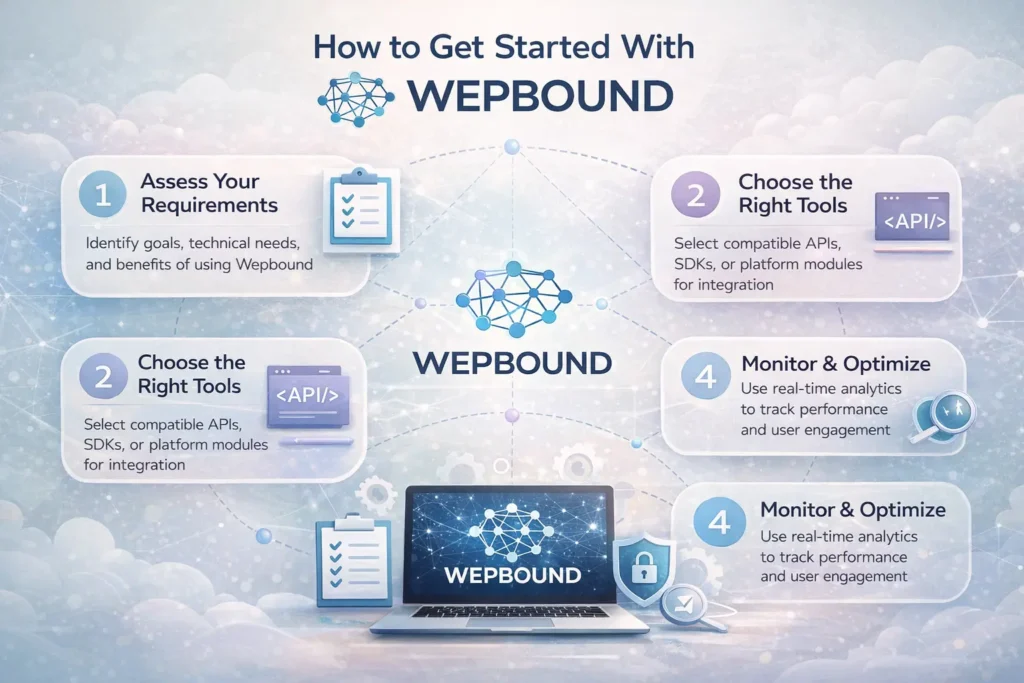
Getting started with Wepbound is straightforward. First, assess your needs whether for web development, business operations, or secure communications. Next, explore integration options, including APIs, SDKs, or platform modules. Set up digital identity and access management to protect users and data. Implement security protocols and encryption measures. Finally, monitor real-time analytics to optimize performance and engagement. Businesses can start small, test functionalities, and scale gradually. By following these steps, you ensure Wepbound is implemented effectively while minimizing risk, reducing downtime, and maximizing its potential benefits.
Step 1: Assess Your Requirements
Identify goals, technical needs, and potential benefits before integrating Wepbound into your workflow.
Step 2: Choose the Right Tools
Select APIs, SDKs, or modules that match your existing systems and desired features.
Step 3: Implement Security Protocols
Set up encryption, access controls, and user verification to safeguard data and maintain compliance.
Step 4: Monitor and Optimize
Use Wepbound’s real-time analytics to track performance, troubleshoot issues, and improve user experience.
Challenges and Limitations
While Wepbound offers many advantages, it’s important to be aware of its challenges. Some organizations face learning curves when transitioning from centralized systems. Integration with legacy platforms can require additional effort. Scalability may demand planning to ensure optimal performance across distributed nodes. Despite these challenges, careful implementation, proper training, and leveraging Wepbound’s tools make these hurdles manageable. Understanding limitations upfront allows businesses to plan strategically, reduce implementation risk, and ensure that the platform delivers the maximum value for operations, security, and user satisfaction.
- Organizations may need to train teams or adapt workflows to fully utilize Wepbound features.
- Older platforms might require extra configuration or custom modules for compatibility with Wepbound.
- Distributed nodes reduce downtime but require monitoring and resource management to maintain efficiency.
👉 You might also like: Mynced – Understanding the New Digital Platform in 2026
Future of Wepbound
Wepbound is poised for growth as businesses demand faster, safer, and more interactive web experiences. Emerging trends like AI integration, advanced analytics, and expanded peer-to-peer frameworks are likely to enhance Wepbound’s capabilities. Its adoption across industries will continue to rise, especially in areas where security, decentralization, and real-time operations are critical. Developers and businesses investing early can benefit from ongoing improvements, scalability, and innovation. The future of Wepbound is not only about technology, but it’s about redefining how people interact, transact, and collaborate online.
Conclusion
Wepbound represents a modern evolution in web technology, combining security, speed, and decentralization in one platform. It empowers businesses to deliver faster, safer, and more engaging online experiences while reducing operational costs and downtime. By understanding its features, benefits, applications, and best practices, organizations can make informed decisions and leverage Wepbound to gain a competitive edge. Whether for web development, enterprise platforms, or peer-to-peer communication, Wepbound provides tools and flexibility that traditional web frameworks struggle to match. Embracing it now positions businesses for success in the evolving digital landscape.
Frequently Asked Questions
What is Wepbound?
Wepbound is a modern web framework that focuses on secure, decentralized, and efficient online interactions. It allows peer-to-peer communication, real-time data processing, and distributed operations across multiple nodes. Businesses and developers can use it to improve performance, reliability, and security, creating faster, smoother, and safer experiences for users across websites, apps, and digital platforms.
How does Wepbound differ from Web3?
Unlike Web3, which is mainly blockchain-focused, Wepbound provides a broader web framework for secure connectivity, real-time analytics, and distributed processing. While it can integrate with blockchain systems, Wepbound also works independently to enhance web performance, reduce downtime, and streamline peer-to-peer communication. This flexibility makes it useful for developers, businesses, and digital platforms beyond blockchain applications.
Who can use Wepbound?
Wepbound is designed for developers, businesses, and even non-technical teams. Its user-friendly tools, APIs, and pre-built modules make it accessible for organizations of all sizes. Whether you want to improve web performance, secure communications, or deploy decentralized apps, Wepbound allows easy integration and provides the flexibility to scale solutions without requiring advanced technical knowledge or overhauling existing systems.
What are the main benefits of Wepbound?
Wepbound improves web security, reliability, and speed through decentralization and peer-to-peer communication. It offers real-time analytics for better decision-making and allows seamless integration with existing platforms. Businesses benefit from lower operational costs, improved user experiences, and enhanced performance, while developers can build scalable, secure applications without the limitations of traditional centralized web frameworks or complex infrastructure.
Is Wepbound secure?
Yes, Wepbound prioritizes security with advanced encryption, access management, and distributed operations. Sensitive data is protected both in transit and at rest, reducing vulnerabilities compared to centralized systems. This ensures safe interactions for users, developers, and businesses. Security features, combined with real-time monitoring and decentralized architecture, make Wepbound a trustworthy solution for websites, applications, and online services.
Can Wepbound integrate with existing platforms?
Absolutely. Wepbound is compatible with legacy systems, cloud platforms, APIs, and pre-existing software, allowing seamless integration without major infrastructure changes. Its flexible architecture supports gradual adoption, enabling businesses to enhance performance, security, and scalability while maintaining current workflows. This makes it suitable for a wide range of organizations, from small startups to large enterprises.
What are common use cases for Wepbound?
Wepbound is ideal for web development, decentralized apps (dApps), e-commerce, education platforms, and remote collaboration tools. It supports secure transactions, peer-to-peer communication, real-time analytics, and high performance, making it useful across industries. Organizations can implement Wepbound to improve reliability, user engagement, and operational efficiency while modernizing web systems and enhancing overall digital experiences for users.
How can a business get started with Wepbound?
Start by identifying your goals and technical requirements. Then, select appropriate APIs, SDKs, or modules for integration. Implement security measures such as encryption and access management. Finally, monitor performance using real-time analytics to optimize workflows and user experience. Starting small and scaling gradually ensures smooth adoption while leveraging Wepbound’s full potential for web efficiency, security, and reliability.
✨ More clarity. More insights. Less noise. Follow Tech Statar.