
Personal Branding Tips for Professionals & Entrepreneurs
Personal branding is more than just a buzzword; it’s your strategic way to shape how the world sees you. When you build your personal brand, you consciously craft your “digital footprint,” your reputation, and how you communicate your unique value. In today’s world, where every hiring manager, client, or collaborator can Google your name, personal branding gives you control over that first impression. This isn’t about bragging, it’s about clarifying who you are, what you stand for, and why you matter. With the right approach, you can boost your credibility, establish authority, and create visibility and trust that open doors.
What is Personal Branding?
Personal branding is the intentional act of defining and expressing your unique value proposition. It involves choosing what qualities, experiences, skills, and personality traits you want to stand for, then letting those shape how you present yourself online and offline. As defined by experts, it’s the narrative of associations, beliefs, feelings, and expectations people hold about you.
Why Your Personal Brand Matters Today
In a world saturated with noise, your personal brand helps you stand out. Whether you’re a professional, entrepreneur, freelancer, or job-seeker, a strong personal brand can shape how companies, clients, or peers perceive you. It influences opportunities, jobs, collaborations, projects, sometimes even before you step into the room. It gives you a competitive edge, especially when combined with a consistent online presence, compelling storytelling, and authentic representation of your brand identity.
Foundations of a Strong Personal Brand
Before you start posting on social media or building a personal website, you need clarity on what you represent. This foundational work ensures everything else you do stays aligned, coherent, and authentic.
Understanding Your Unique Value Proposition
Your personal value proposition (PVP) is the core message that communicates what makes you different. It’s a short, clear summary of who you are, what you do, and how you add value to others. When well-defined, this statement becomes the backbone of your personal brand strategy, grounding your content creation, online presence, and brand identity.
Defining Your Mission, Vision, and Core Values
Part of building a real personal brand is knowing your “why.” Your mission, vision, and core values inform not just what you do, but how you do it. This clarity helps you stay consistent in tone, decisions, and audience perception. It’s what gives your personal brand authenticity, making it believable and relatable, not just another polished presence on social media.
Identifying Your Target Audience & Market Positioning
A brand without an audience often misses the mark. To make your personal brand effective, you need to know who you’re speaking to and what niche you occupy. Whether you want to attract employers, clients, collaborators, or a community, understanding your target audience helps you shape your content pillars, tone, and outreach. This niche positioning and competitive analysis ensure that your brand stands out rather than getting lost in the crowd.
👉 You might also like: How to Use ChatGPT
Auditing Your Current Personal Brand
Before you build your personal brand, you need to understand how you look to others right now. This audit helps you compare your current reputation with the identity you want to project. Look at your online presence, the quality of your digital footprint, and how people describe your strengths. When you see your brand from an outside perspective, you can fix gaps early. A good brand audit reveals what’s missing, what’s outdated, and what needs improvement before you start creating content or updating your profiles.
Reviewing Your Skills, Experience & Achievements
Start by listing the skills you’re confident in and the accomplishments that show your credibility. Think about moments that highlight your strengths and the value you’ve created for teams, clients, or employers. This helps you understand what truly sets you apart from others. It also shows where you still need improvement or more clarity. When you know your strengths, you can communicate your unique value proposition more effectively.
Evaluating Your Digital Footprint and Online Reputation
Your digital footprint includes every post, comment, portfolio project, and public profile linked to your name. Search yourself on Google and review what shows up on LinkedIn, Instagram, or older websites. Remove anything outdated or misaligned with your current goals. Make sure your profiles match the brand identity you want to build. A clean online presence boosts trust and helps people see you as credible before they even meet you.
Crafting Your Personal Story
Your personal story is where your personality, experiences, and purpose come together. It gives your brand meaning and helps people connect with you emotionally. A strong story explains how your background shaped your expertise and why you do what you do. This helps you differentiate yourself from others who may have similar skills. A relatable story increases trust, especially when paired with authenticity and consistency across platforms. It becomes the foundation for your content, introduction, and brand messaging.
Structuring a Compelling Brand Narrative
A simple structure works best: where you started, what challenges shaped you, what skills you built, and how you create value today. This makes your journey easy for people to follow. Add moments that made a real difference in your professional growth. Keep it human and avoid sounding scripted. When your story feels genuine, people engage more naturally. This structure also helps you stay aligned with your mission statement and long-term goals.
Using Storytelling to Establish Authority & Trust
Storytelling adds emotion, experience, and depth to your brand. When you share real lessons, failures, and wins, people see the human behind the expertise. This makes your brand authentic instead of promotional. Thought leaders like Gary Vaynerchuk, Seth Godin, and Chris Do use storytelling to create impact without forcing authority. When people relate to your story, they trust your advice more. Over time, this consistent approach strengthens your credibility.
👉 You might also like: Tiimatuvat: A Smarter Way to Organize Your Team
Building Your Personal Brand Identity
Brand identity is how your audience recognizes you within seconds. It includes your brand personality, voice, tone, and the visual elements that make you look consistent everywhere. A strong identity makes you memorable, whether someone sees your LinkedIn headline, a YouTube video, or your website. Your voice and visuals should reflect your values and niche positioning. When your identity is clear, people understand what you stand for. This clarity supports your personal branding strategy and helps you build trust faster.
Establishing Your Brand Voice and Tone
Your voice should reflect your natural communication style. Think about how you want people to feel when they read your content: confident, inspired, informed, or supported. Choose a tone that fits your brand pillars and personality. Keep it consistent across emails, social media, website cop, and even video scripts. A recognizable voice makes your brand feel familiar. Consistency strengthens trust and builds a stronger audience perception over time.
Creating a Consistent Visual Identity (Colors, Fonts, Style)
Your visual identity shows up in your profile photos, website design, thumbnails, graphics, and even your wardrobe. Choose colors and fonts that match your personality and keep everything clean and simple. Make sure your visuals look the same across platforms like LinkedIn, Instagram, and TikTok. A repeatable style helps people recognize your content instantly. Over time, this consistency creates a strong and memorable brand image.
Optimizing Your Online Presence
Your online presence shapes the first impression people get when they search your name or view your profiles. Optimizing it ensures your brand identity is clear, good-looking, professional, and aligned with your targeted goals. Start by improving your website or portfolio since it’s the only platform you fully control. Then update your bio, headline, link, and photos across LinkedIn, Instagram, YouTube, and TikTok. Strong profile optimization improves your credibility and helps people understand your value quickly. This step strengthens trust and builds long-term visibility.
Why You Need a Personal Website or Portfolio
A personal website acts as your professional home online. It shows your expertise, achievements, mission, and personality in one place. It makes you look more serious and helps people verify your credibility. Clients, employers, or collaborators can easily explore your story and work. Since you own the site, it gives you full control over design and messaging. This stability strengthens your overall personal brand strategy.
Key Pages Every Personal Brand Website Must Include
Include an About page that tells your story, a portfolio or case study section showcasing your work, and a clear Contact page. Add testimonials to support your credibility and a blog to share thought leadership. Each page should communicate your unique value proposition clearly. Make sure the site is easy to navigate and matches your visual identity. A well-structured website increases trust and keeps visitors engaged.
How to Craft a High-Impact Bio & About Section
Your bio should highlight who you are, what you do, and what makes you different. Keep it simple, clear, and human. Include your achievements, niche, and mission statement without sounding like a resume. Add personality through small details that show who you are beyond work. Use a friendly tone that matches your brand voice. A strong bio helps people understand your value instantly.
👉 You might also like: Best AI Tools for Business in 2025 | Boost Workflow & ROI
Strengthening Your Social Media Presence
Social media plays a major role in shaping visibility, trust, and authority. Platforms like LinkedIn help you show your professional side, while Instagram, YouTube, and TikTok show personality and creativity. To build your personal brand, keep your profiles updated and aligned with your identity. Share content that reflects your experience and values. Stay consistent with your tone and visuals across all platforms. Over time, this creates recognition and improves audience engagement. A strong presence boosts your reputation and opens doors to new opportunities.
LinkedIn Personal Branding Essentials
Optimize your headline, About section, and Featured area with clear messaging. Share helpful insights, lessons learned, and personal wins to build thought leadership. Use a clean banner that reflects your niche. Engage with others consistently by commenting thoughtfully. LinkedIn rewards authenticity and consistency, so show up regularly with value-driven content. This approach improves your visibility and helps you connect with the right audience.
Using Instagram, YouTube, and TikTok for Visibility
Each platform offers different strengths. Instagram helps you show personality and lifestyle. TikTok boosts short-form reach through storytelling or quick tips. YouTube builds deep trust through long-form content. Use visuals, behind-the-scenes moments, and educational clips to express your brand. Keep your tone consistent across platforms to strengthen recognition. These channels help you reach audiences that prefer more casual content.
How to Present Yourself Consistently Across Platforms
Use the same name format, profile photo style, and bio structure everywhere. Keep your tone similar so your voice feels familiar across platforms. Match your colors and designs to maintain a unified visual identity. Update links and featured content regularly. Consistency helps people trust you faster and reduces confusion about what you represent. When everything aligns, your personal brand feels intentional and strong.
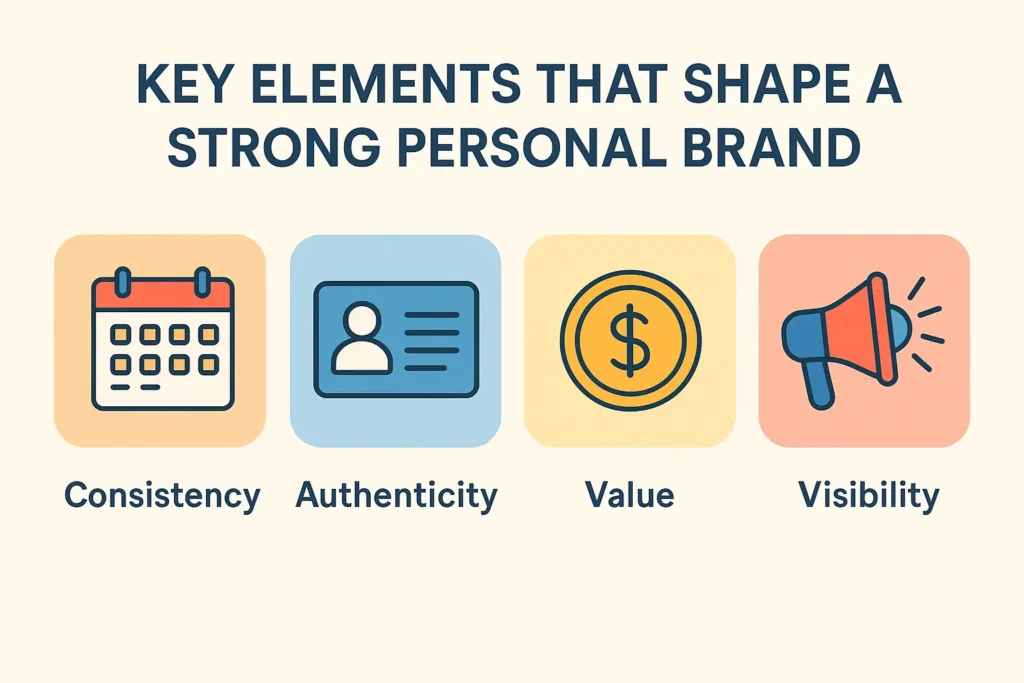
Key Elements That Shape a Strong Personal Brand
Your Core Personality
Your personality is the first thing people pick up about you, online or offline. It sets the tone for how others interpret your work, your communication style, and your leadership approach. When you’re building a personal brand, the goal isn’t to invent a new personality. It’s to highlight the traits that already make you different. Whether you’re analytical, friendly, bold, or calm, use those natural strengths consistently in your content, your messaging, and your decisions. People follow personalities they can understand and relate to.
Your Professional Identity
Your professional identity defines who you are in your field. It’s a mix of what you do, what you stand for, and the type of value you bring to the table. When this identity isn’t clear, your personal brand looks scattered. A strong identity tells people exactly why they should trust you. Make sure you position yourself with a specific title, area of focus, and clear expertise. This helps your audience remember you and instantly connect your name with your work.
Your Unique Selling Proposition (USP)
Your USP is the reason someone chooses you over others in the same space. Think of it as the part of your brand that no one else can replicate. It could be your working style, your creativity, your results, or even your storytelling style. When you define your USP well, you stop sounding generic. Every brand message becomes sharper, clearer, and more memorable. And the more consistent you stay with it, the stronger your positioning becomes.
Your Core Values
Values guide how you work and how you treat people. They shape the decisions you make, the opportunities you accept, and the boundaries you set. Strong personal brands don’t try to please everyone. They stick to their values, even when it’s not convenient. When your values show up in your communication, your content, and your behavior, people trust you more. They know what to expect from you, and that stability builds credibility over time.
👉 You might also like: Best AI Content Writing Guide for SEO Success in 2025
How to Build a Personal Brand from Scratch
Define Who You Want to Be Known For
Start by deciding what you want people to associate with your name. Pick one main direction instead of trying to be everything at once. This clarity shapes your tone, content, and positioning. When your niche is clear, your message becomes stronger, and your brand grows faster.
Identify the Audience You Want to Influence
A personal brand is only effective when it speaks to the right people. Define who you want to reach: employers, clients, industry peers, or a specific community. Once you know their needs and challenges, you can tailor your content and expertise to match what they care about. This makes your brand more relatable and valuable.
Craft Your Personal Brand Statement
Your brand statement is a short description of who you are, what you do, and why it matters. It helps you stay consistent across platforms. A good statement gives people a quick understanding of your value and personality. Keep it simple, clear, and aligned with the direction you’re building.
Build a Strong Online Presence
People will search for you online, so your digital footprint should reflect your expertise. Start with platforms that matter in your industry, like LinkedIn, Twitter, or a personal website. Share your work, ideas, and achievements in a professional and consistent way. Over time, your online presence becomes proof of your credibility.
Use Social Media to Share Your Expertise
Use content to show what you know. It can be short posts, videos, threads, guides, or case studies. Social media helps you reach thousands of people without spending money. Consistency matters more than perfection. Your goal is to become visible, trusted, and recognized in your niche.
Build Real Connections and Community
A personal brand grows faster when people feel connected to you. Engage with others, reply to comments, join discussions, and support people in your field. These small interactions lead to stronger relationships and better opportunities. People remember those who show up consistently and genuinely.
Monitor and Improve Your Brand
Personal branding isn’t a one-time task. Review your content, engagement, and online presence regularly. Notice what resonates and what doesn’t. Updating your message keeps your brand relevant. Improvement is a continuous process, and small changes over time make a big impact.
Personal Branding Tools and Platforms
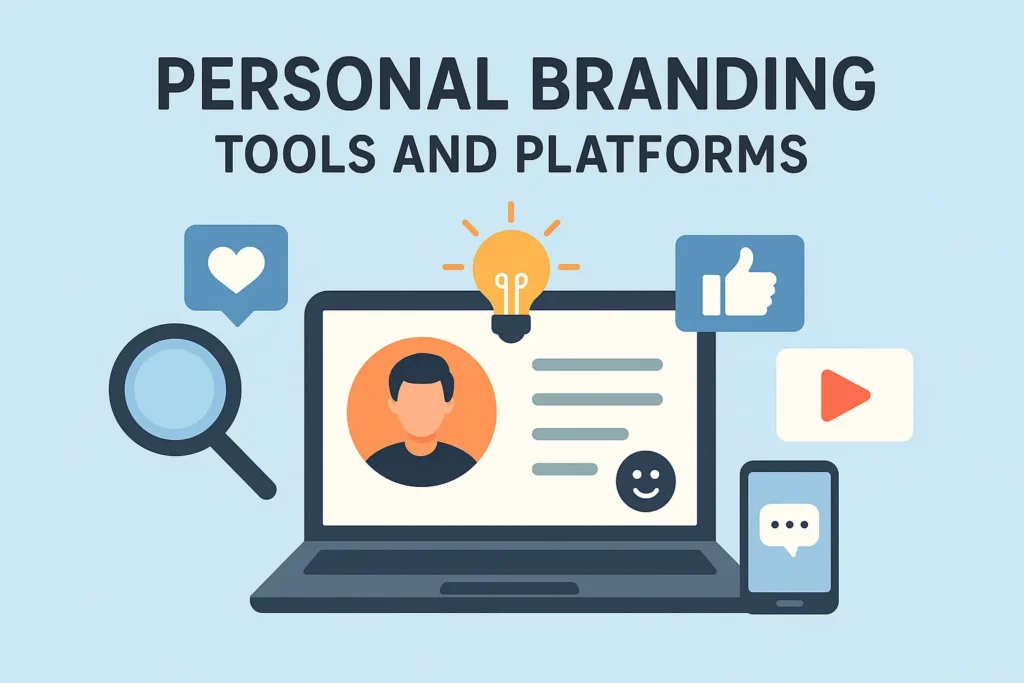
This is the main platform for professionals. Your profile, posts, recommendations, and activity help shape your image. It’s one of the fastest ways to build authority and reach decision-makers.
Good for creators, coaches, designers, and anyone building a visual brand. Short videos, stories, and behind-the-scenes content help people connect with your personality and lifestyle.
X (Twitter)
Great for sharing ideas, opinions, and thought leadership. It helps you connect directly with industry experts. Short, quick posts can make your brand more spontaneous and conversational.
YouTube
Perfect for long-form content and tutorials. Video builds trust faster because people can see your personality, confidence, and communication style. It strengthens your authority.
Personal Website
Your website acts as your digital home. Add your portfolio, services, testimonials, and achievements. It makes your brand look established and professional. It’s also great for SEO.
👉 You might also like: Classroom 20X: The Future of Smart Learning
Measuring the Success of Your Personal Brand
Audience Growth
Track how your follower count, connections, and email subscribers increase. Growth means more people are noticing and valuing your brand. It also expands your opportunities over time.
Engagement and Response
Look at how people interact with your posts, content, and messages. Good engagement shows that your audience cares about what you’re saying. It also signals that your brand message is working.
Leads and Opportunities
A strong personal brand attracts job offers, clients, collaborations, and invitations. If you’re receiving more inbound opportunities, your brand is moving in the right direction.
Online Visibility and Searchability
Type your name into search engines. If your profiles, website, and content appear at the top, your personal brand is well-optimized. Visibility increases authority and trust.
Common Personal Branding Mistakes to Avoid
Trying to Copy Others
People follow you because of what makes you different. If your content, voice, or ideas look like everyone else’s, your brand becomes forgettable. Focus on authenticity and originality.
Being Inconsistent Across Platforms
When your tone and message change from one platform to another, it confuses your audience. Keep your style and messaging stable. Consistency makes your brand recognizable everywhere.
Neglecting Your Online Reputation
Ignoring negative comments, outdated profiles, or unprofessional posts can hurt your image. Always keep your digital presence clean and updated. Small mistakes can affect trust.
Aiming to Please Everyone
You can’t appeal to every person in your industry. If your message is too broad, it loses impact. A focused brand attracts the right audience, which matters more than reaching everyone.
Conclusion
Personal branding isn’t just about looking good online; it’s about defining who you are, what you stand for, and the value you provide. By auditing your current presence, crafting a compelling story, and maintaining consistency across platforms, you establish credibility, authority, and trust. Whether you’re an entrepreneur, professional, or freelancer, a strong personal brand opens doors to new opportunities, collaborations, and growth. Remember, it’s a long-term journey: refine your skills, update your content, and stay authentic. Over time, your personal brand becomes your most valuable professional asset.
FAQs about Personal Branding
What is a personal brand?
A personal brand is the way you present yourself to the world, your skills, values, personality, and reputation combined into a consistent image. It’s not just about what you do, but how people perceive you. A strong personal brand helps you stand out in your field, build trust, and attract opportunities that align with your goals. Essentially, it’s your professional identity made visible, both online and offline.
Why is personal branding important?
Personal branding helps you stand out in a competitive market. It builds credibility, strengthens your reputation, increases visibility, and opens up opportunities for clients, job offers, partnerships, or thought leadership roles.
How do I start building my personal brand?
Begin by identifying your strengths, skills, and unique value. Audit your current online presence, define your audience, and craft a compelling personal story. Then, consistently share valuable content across key platforms like LinkedIn, Instagram, YouTube, or your personal website.
How long does it take to build a personal brand?
Building a meaningful personal brand takes consistent effort over months or years. Factors like niche, audience size, content quality, and engagement determine how quickly you see results. Focus on providing value, staying authentic, and being consistent.
Can personal branding help entrepreneurs?
Yes. For entrepreneurs, a strong personal brand builds credibility, attracts clients, and supports business growth. Sharing your expertise, success stories, and lessons learned helps position you as an authority in your industry.
What mistakes should I avoid in personal branding?
Common mistakes include copying others instead of being authentic, being inconsistent across platforms, neglecting online reputation, and trying to appeal to everyone. Avoiding these ensures your brand is memorable, trustworthy, and impactful.
How do I measure the success of my personal brand?
Success can be measured by audience growth, engagement levels, new opportunities (clients, collaborations, job offers), and visibility online. Monitoring metrics along with qualitative feedback from your network helps refine your brand strategy.
What platforms are best for personal branding?
LinkedIn is ideal for professionals, Instagram and TikTok for visual or creative content, YouTube for long-form thought leadership, and a personal website/portfolio for full control of your narrative. Choose platforms based on where your audience is most active.
Can personal branding evolve over time?
Absolutely. Your personal brand should evolve as your skills, goals, and audience grow. Regular audits, updated content, and refinement of messaging help you stay relevant and maintain authority.
Are personal branding tips different for professionals vs entrepreneurs?
The core principles of authenticity, consistency, storytelling, and audience awareness remain the same. Professionals may focus more on credibility, thought leadership, and career growth, while entrepreneurs emphasize visibility, niche positioning, and business opportunities.
✨ Read more valuable knowledge @ Tech Statar.