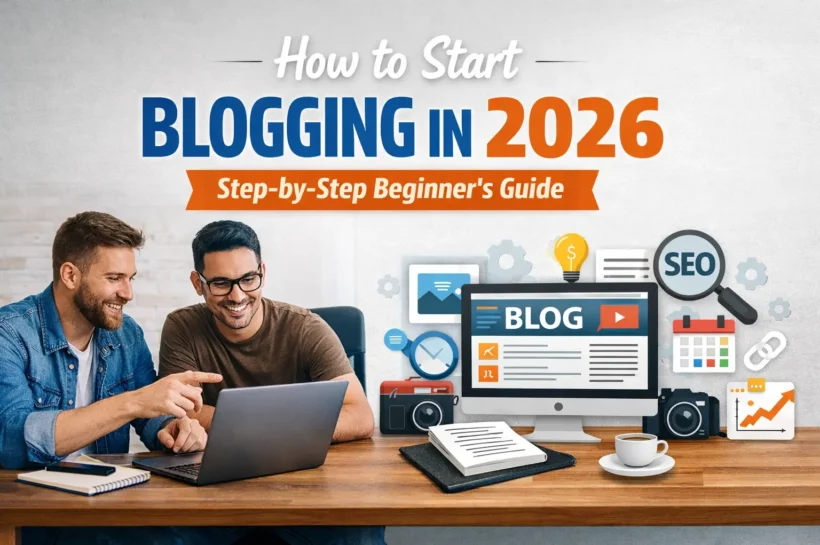

How to Start Blogging in 2026?
Blogging in 2026 is not what it used to be, and that’s a good thing. Today, blogging is less about publishing random posts and more about building authority, trust, and long-term visibility. With smarter search engines, AI tools, and higher content standards, beginners actually have more opportunities if they do things the right way. This guide is designed to walk you through blogging step by step, without hype or shortcuts. Whether your goal is income, personal branding, or traffic growth, you’ll learn how to start blogging with a clear strategy that works in 2026.
How Blogging different in 2026?
Blogging has evolved into a more strategic and user-focused practice in 2026. Search engines now reward content that demonstrates real experience, clarity, and usefulness instead of keyword stuffing. AI tools help with research and efficiency, but originality and human insight matter more than ever. Successful blogs focus on topical authority, not random posts. Readers also expect faster websites, clean design, and honest information. If you understand these shifts early, you can avoid common beginner mistakes and build a blog that grows steadily instead of relying on outdated tactics.
Is Blogging Still Worth It in 2026?
Yes, blogging is still worth it in 2026, but only if you approach it realistically. Blogging is no longer a get-rich-quick model. It’s a long-term digital asset that compounds over time. Many new bloggers fail because they expect instant traffic or income. In reality, consistent publishing, smart SEO, and patience are what drive results. Blogs today make money through ads, affiliates, services, and products, but success comes from solving real problems, not chasing trends blindly.
Define Your Blogging Goals First
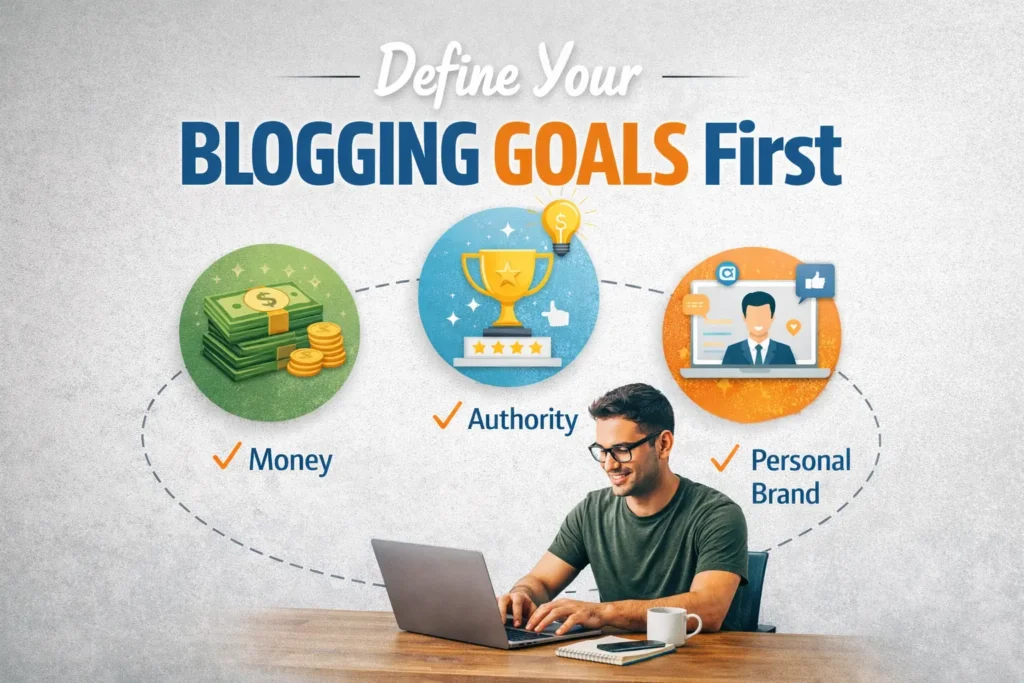
Before buying a domain or writing your first post, you need clarity on why you’re starting a blog. Your goals shape every decision, from niche selection to monetization. Some people blog to earn passive income, while others want authority, leads, or a personal brand. In 2026, unfocused blogs struggle because competition is high. Clear goals help you measure progress and stay consistent when growth feels slow. Treat your blog like a long-term project, not an experiment, and your chances of success increase significantly.
The Right Mindset for New Bloggers
The biggest advantage new bloggers can have in 2026 is the right mindset. Consistency matters more than perfection. You don’t need flawless writing or advanced tools on day one. What you need is patience and a willingness to improve with data. Blogging rewards people who publish regularly, learn from analytics, and adapt. If you treat blogging like a real business instead of a hobby, you’ll make better decisions and avoid burnout early on.
Choosing the Right Blogging Niche
Your niche is the foundation of your blog, and choosing it wisely is critical in 2026. A good niche sits at the intersection of interest, demand, and monetization. Writing about everything rarely works anymore. Focused niches help search engines understand your expertise and help readers trust you faster. Instead of chasing broad topics, narrow your focus and solve specific problems. A clear niche makes content planning easier, improves SEO performance, and increases your chances of building authority in a competitive space.
Profitable Blogging Niches in 2026
Some niches continue to perform well in 2026 because demand keeps growing. These include AI tools, online business, SaaS, personal finance, productivity, health optimization, and skill-based education. The key is not just choosing a profitable niche, but choosing one where you can add real insight. Even competitive niches work if you focus on a specific angle or audience and consistently publish helpful, experience-backed content.
👉 You might also like: 5 Best Tips to Stay Productive in 2026 Without Burnout
How to Validate Your Blogging Niche
Validating your niche is about confirming that people are actively searching for the topics you plan to write about. In 2026, guessing no longer works because competition is high and search intent matters more than ever. Start by checking if blogs in your niche already rank and publish content consistently. This shows demand exists. Then analyze whether those blogs are monetized through ads, affiliates, or products. If money is already flowing in the niche, it’s a strong signal. Validation protects you from wasting months on a blog with no real growth potential.
Check Search Demand and Competition
Search demand tells you whether your niche has an audience, while competition shows how hard it will be to rank. Use keyword research tools to find low to medium-competition topics with clear intent. Look at the top-ranking pages in SERPs and evaluate their content quality. If you can create something clearer, more helpful, or more updated, you have a real opportunity. Avoid niches where only big brands dominate every result.
Picking a Blog Name and Domain
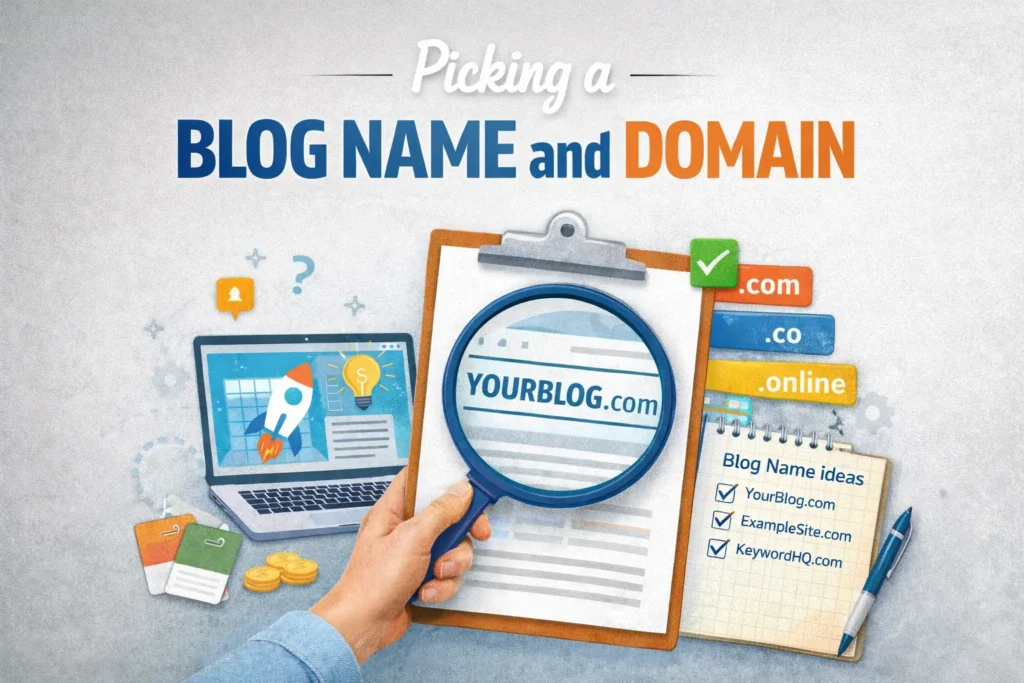
Your blog name is part branding and part strategy. In 2026, short, memorable names perform better than keyword-stuffed domains. Your name should be easy to pronounce, easy to spell, and flexible enough to grow with your content. When choosing a domain, .com is still preferred, but modern alternatives can work if the brand feels natural. A strong name builds trust before visitors even read your content.
Common Blog Naming Mistakes to Avoid
Many beginners choose blog names that limit future growth or confuse readers. Avoid numbers, hyphens, or complicated spellings. Don’t copy competitor names or trends that might fade. A name that sounds clever but lacks clarity often hurts branding. Think long term. Your domain should still make sense two or three years from now when your blog expands.
Setting Up Your Blog Step by Step
Blog setup in 2026 is simpler than ever, but the basics still matter. The right platform ensures flexibility, ownership, and long-term SEO growth. WordPress remains the most trusted choice because it allows full control over content and monetization. Avoid free platforms if you’re serious about growth. Proper setup includes reliable hosting, a clean theme, and essential plugins. Getting this foundation right early saves you from technical issues that slow down growth later.
Choosing the Right Hosting Provider
Your hosting provider directly affects your site speed, uptime, and security. In 2026, speed is a ranking factor and a user experience requirement. Choose hosting that offers fast servers, daily backups, SSL, and responsive support. Cheap hosting often leads to slow load times and frequent downtime. Invest in hosting that can scale as your traffic grows. It’s one of the smartest decisions a new blogger can make.
👉 You might also like: Email Marketing 2026: Complete Strategy & Best Practices
Blog Design and User Experience
Good blog design is not about fancy visuals; it’s about clarity and usability. Readers in 2026 expect clean layouts, fast-loading pages, and mobile-friendly design. A simple structure helps users find information quickly and keeps them engaged longer. Search engines also favor websites that provide a smooth user experience. Choose a lightweight theme, use readable fonts, and avoid clutter. A well-designed blog builds trust and encourages visitors to explore more pages.
Essential Pages Every Blog Needs
Every professional blog should include core pages that build credibility. An About page tells your story and explains why readers should trust you. A Contact page makes your blog feel legitimate and accessible. Privacy policy and disclaimer pages are important for compliance and monetization. These pages might seem boring, but they signal professionalism to both users and search engines.
Content Strategy for Blogging in 2026
A strong content strategy is what separates growing blogs from abandoned ones in 2026. Random posting no longer works because search engines prioritize topical authority and relevance. You need a clear plan that focuses on solving specific problems within your niche. Start by mapping core topics and then create supporting content around them. Consistency matters more than volume. Publishing fewer high-quality posts that fully answer search intent builds trust faster than frequent shallow articles. When readers find value, they stay longer and return.
How to Find Blog Post Ideas
Blog post ideas come from understanding what your audience is searching for. Keyword research tools help uncover questions, comparisons, and problems people want solved. Look at competitor blogs to identify gaps where content is outdated or incomplete. You can also use AI tools for brainstorming, but always add your own perspective. The best ideas are practical, specific, and clearly useful. If a topic helps someone make a decision or learn a skill, it’s worth writing.
Writing High-Quality Blog Content
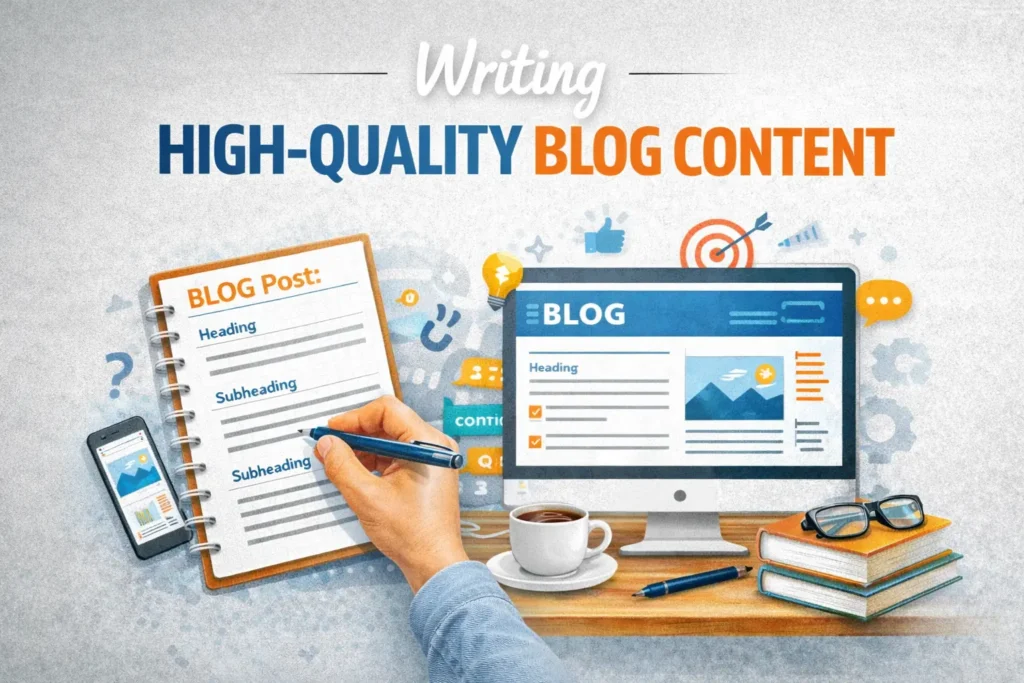
High-quality content in 2026 is clear, experience-driven, and easy to read. Long paragraphs, vague advice, and filler content push readers away. Focus on structure by using headings, short paragraphs, and examples. Write like you’re explaining something to a smart friend. Search engines now evaluate how well content satisfies intent, not just keywords. When your content answers questions completely and logically, it performs better over time and earns natural links.
SEO Writing Best Practices for 2026
SEO writing today is about balance. Use keywords naturally without forcing them. Optimize titles, headings, and internal links, but prioritize clarity first. Search engines value experience, expertise, and trust, especially for competitive topics. Avoid thin content or mass-produced AI articles. Updating old posts, improving depth, and adding real examples can boost rankings. Good SEO writing feels natural to readers and invisible when done right.
Promoting Your Blog Effectively
Publishing content is only half the work. Promotion is what brings your blog in front of real readers. In 2026, organic search remains the most reliable traffic source, but it takes time. Social platforms help amplify content early, while email lists build long-term engagement. Share content where your audience already spends time instead of chasing every platform. Promotion should feel helpful, not spammy. The goal is visibility, trust, and steady traffic growth.
Best Traffic Sources for New Blogs
New blogs benefit most from focused traffic sources. Google search delivers high-intent visitors when SEO is done right. Pinterest works well for evergreen and visual content. LinkedIn is effective for business and professional niches. Content syndication platforms can provide early exposure if used carefully. Pick one or two sources and master them before expanding. Scattered promotion usually leads to burnout.
👉 You might also like: Find Emails & Phone Numbers from LinkedIn Profiles
Monetizing Your Blog
Monetization should start only after your blog has helpful content and some traffic. In 2026, readers are more selective, so trust comes first. Different blogs monetize in different ways depending on the niche and audience. Ads provide passive income, while affiliates and services often convert better early on. The best monetization strategies align naturally with your content and help readers make better decisions instead of pushing sales aggressively.
Best Ways to Make Money Blogging in 2026
Display ads work well for high-traffic blogs, while affiliate marketing is ideal for product-based content. Digital products like courses, templates, or ebooks offer higher margins. Service-based monetization works well for consultants and freelancers. Sponsored content can be profitable but requires transparency. Successful blogs often combine multiple income streams instead of relying on just one method.
Common Blogging Mistakes Beginners Make
Most blogging failures come from avoidable mistakes. Many beginners quit too early because results take time. Others ignore SEO basics or publish without a plan. Overusing AI, copying competitors, or chasing trends also leads to weak content. Blogging rewards consistency, learning, and improvement. Mistakes are normal, but repeating them slows growth. Awareness helps you avoid wasted effort and stay focused on long-term progress.
How Long Does It Take to See Results?
Blogging results depend on niche competition, content quality, and consistency. Most blogs start seeing traffic within three to six months, but meaningful growth often takes a year. Income usually follows traffic, not the other way around. Tracking progress through analytics helps you make smarter decisions. Blogging is not slow; it’s compounding. Small improvements over time lead to strong, sustainable results.
Final Thoughts
Blogging in 2026 is ideal for people who value long-term growth and ownership. It’s not for those seeking instant results or shortcuts. If you enjoy learning, sharing insights, and improving over time, blogging can be a powerful asset. With the right niche, strategy, and mindset, a blog can generate traffic, income, and authority for years. Start simple, stay consistent, and focus on helping readers. That’s how blogs succeed today.
Frequently Asked Questions (FAQs)
Is blogging still profitable in 2026?
Yes, blogging is still profitable in 2026 if you approach it with a long-term mindset. Blogs make money through ads, affiliate marketing, services, and digital products. Success depends on niche selection, content quality, SEO, and consistency rather than quick shortcuts.
How much money can a beginner blogger make?
Beginner bloggers usually earn little to nothing in the first few months. With consistent effort, many bloggers start earning within six to twelve months. Income can range from side income to full-time earnings, depending on traffic, niche, and monetization strategy.
Do I need technical skills to start blogging?
No, you don’t need advanced technical skills to start blogging in 2026. Platforms like WordPress make setup simple, and most tasks are beginner-friendly. Basic skills can be learned along the way as your blog grows.
How often should I publish blog posts?
Quality matters more than quantity. Publishing one to two high-quality posts per week is enough for most new blogs. Consistency is more important than frequency, especially when building topical authority.
Can I use AI tools for blogging in 2026?
Yes, AI tools can help with research, outlines, and idea generation. However, your content should always include human insight, real experience, and originality. Over-reliance on AI without editing can hurt trust and rankings.
How long does it take for a blog to rank on Google?
Most blogs start seeing search traffic within three to six months, but competitive keywords can take longer. Strong SEO, helpful content, and patience are key. Blogging results grow gradually over time.
Is WordPress still the best platform for blogging?
Yes, WordPress remains the best blogging platform in 2026 due to flexibility, SEO control, and ownership. It supports long-term growth and multiple monetization options compared to free platforms.
What is the biggest mistake new bloggers make?
The biggest mistake is quitting too early. Many bloggers give up before their content has time to rank. Other common mistakes include ignoring SEO, choosing the wrong niche, and publishing without a clear strategy.
Can blogging be done part-time?
Absolutely. Many successful blogs start as part-time projects. Even a few focused hours per week can lead to growth if used consistently and strategically.
Is blogging better than YouTube or social media?
Blogging offers long-term traffic and content ownership, while social platforms rely on algorithms. Blogging works well alongside other platforms and is especially powerful for evergreen content and organic search traffic.
✨ Keep up to date with Our Latest Blog @ Tech Statar.