

Revolutionize Your Workflow: Top Tech-Forward Strategies to Skyrocket Productivity
In today’s fast-paced digital landscape, feeling busy but not truly productive is a common struggle. The constant ping of notifications, fragmented workflows, and manual, repetitive tasks can consume up to 60% of an employee’s day. But what if technology, often seen as a source of distraction, could be the ultimate solution? The right tech strategies for productivity are no longer a luxury; they are a critical imperative for businesses and individuals aiming to thrive. This guide dives into actionable, tech-driven productivity solutions that leverage automation, AI, and intelligent software to reclaim your time and focus on what truly drives value.
Why Technology is the Keystone of Modern Productivity
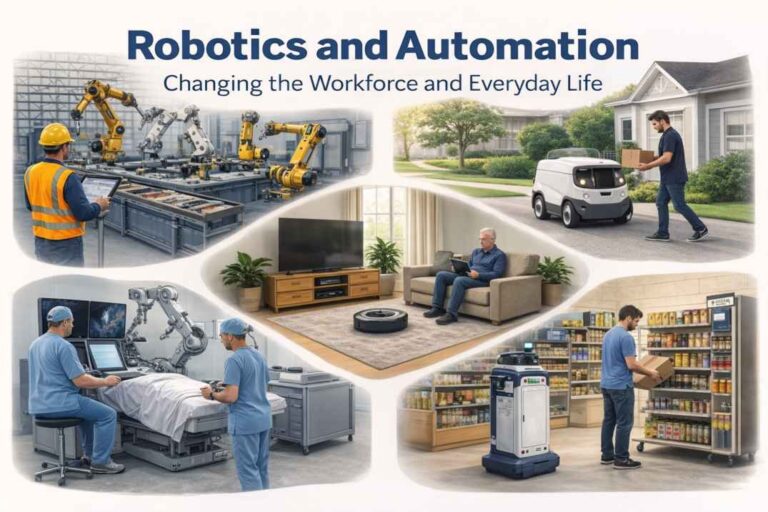
The conversation has shifted from simple time management to strategic work orchestration. Digital transformation for productivity isn’t about using more apps it’s about integrating smarter systems that remove friction. According to McKinsey, organizations that accelerate their digital adoption can see a 20-30% increase in customer satisfaction and a 20-50% improvement in operational efficiency. The goal is to make technology work for you, automating the mundane and amplifying human creativity and strategic thought.
5 Tech-Driven Productivity Improvement Strategies
Implementing these core productivity improvement strategies can create a compound effect on your team’s output and morale.
1. Embrace Automation for Repetitive Tasks
The first and most impactful step is to identify and automate repetitive, rules-based tasks. This includes data entry, report generation, email sorting, and appointment scheduling.
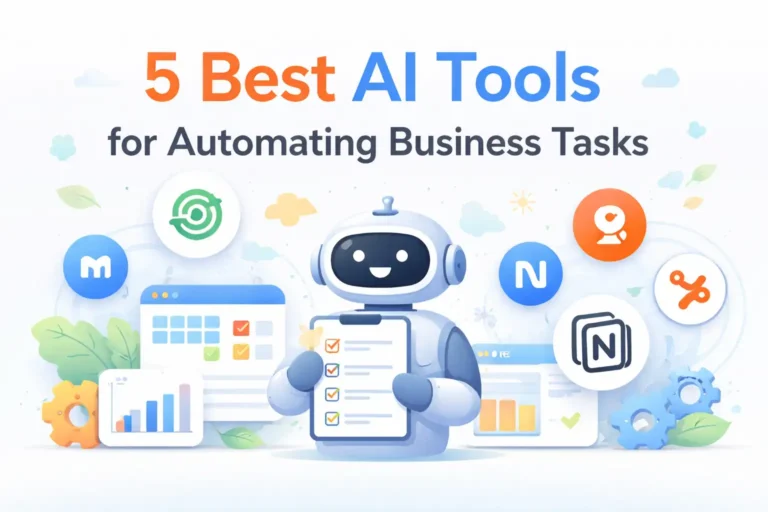
- Tools to Consider: Use Zapier or Make to connect your apps and create automated workflows (Zapier). For example, automatically save email attachments to cloud storage and notify your team in Slack.
- Impact: This frees up significant cognitive bandwidth, allowing your team to focus on complex problem-solving and innovation.
2. Integrate AI-Powered Productivity Tools
Artificial Intelligence has moved beyond hype to become a practical workplace productivity tool. AI can draft content, summarize long documents, analyze data trends, and even prioritize your inbox.
- Tools to Consider: Leverage Copilot for Microsoft 365 or Google’s Duet AI for embedded assistance in everyday suites. Standalone tools like Otter AI for meeting notes or ChatGPT for ideation are also powerful.
- Impact: A study by Accenture found that AI can boost productivity by up to 40% by augmenting human capabilities and providing data-driven insights.
3. Consolidate with All-in-One Productivity Software Solutions
App sprawl is a major productivity killer. The constant context-switching between dozens of specialized tools fractures focus. The solution is consolidation.
- Strategy: Seek out unified platforms that combine communication, project management, document collaboration, and goal tracking. This creates a single source of truth for your team.
- Impact: Reduced licensing costs, less training overhead, and a streamlined workflow that keeps everyone aligned.
4. Implement Smart Communication & Collaboration Protocols
Technology should facilitate, not hinder, communication. Establish clear protocols using the right tools to avoid meeting overload and notification fatigue.
- Tactics: Use Slack or Teams for quick async updates, Loom for video explanations, and designate “focus hours” in shared calendars. Make all project communication happen within the relevant task in your project management tool.
- Impact: Creates a culture of deep work and reduces interruptions, which, according to a University of California Irvine study, can take over 23 minutes to recover from.
5. Leverage Data Analytics for Informed Decision-Making
Tech-driven productivity solutions are grounded in data. Use analytics to understand workflow bottlenecks, identify high-performing processes, and measure team capacity.
- Approach: Utilize built-in dashboards in your CRM, project management software, or specialized tools like Tableau. Track metrics like project cycle time, task completion rates, and goal progress.
- Impact: Moves productivity discussions from subjective feelings to objective data, enabling continuous and targeted improvement.
👉 You might also like: Julius AI: Data Analysis Tool for Smart Insights
Case Study: Digital Transformation in Action
A powerful example comes from a McKinsey Global Survey on digital transformation. The study highlights a financial services company that embarked on a full-scale digital transformation for productivity.
The Challenge: Employees were spending nearly 70% of their time on manual data reconciliation and compliance reporting, leaving little room for client advisory services their core value-add.
The Tech-Forward Strategy: The company implemented a dual-layer solution:
- Process Automation: They deployed Robotic Process Automation (RPA) bots to handle data entry, validation, and standard report generation.
- AI-Powered Analysis: They integrated an AI tool to monitor transactions for compliance in real-time, flagging anomalies instead of requiring manual reviews of every case.
The Results: Within 12 months:
- Time Savings: Employees reclaimed 50% of their previously manual task time.
- Business Growth: This freed-up capacity was redirected to client-facing activities, leading to a 15% increase in client satisfaction and a 10% growth in new accounts.
- Error Reduction: Automated checks reduced compliance errors by over 95%.
As the McKinsey report concludes, “The most successful transformations…embed technology where it can drive the most value freeing people to do what only people can do.” This case perfectly illustrates the power of technology to improve productivity strategically.
Aligning Technology with Strategy: Where Worxmate Excels
While the above tech strategies for productivity provide the framework, their success hinges on alignment and execution. This is where a unified platform like Worxmate becomes the central nervous system for your productivity improvement strategies.
Worxmate seamlessly integrates OKR (Objectives and Key Results) and PMS (Performance Management System) features into the daily workflow. It connects the dots between high-level company goals (OKRs) and the daily tasks executed in your productivity software solutions.
- Strategic Alignment: Worxmate ensures every automated workflow, AI-assisted task, and project milestone directly ladders up to a strategic objective. This eliminates busywork and ensures all tech-driven productivity solutions are moving the needle on what matters most.
- Clarity & Focus: By providing visibility into company and team OKRs, Worxmate gives context to daily work, boosting engagement and purposeful productivity addressing findings from Gallup that clearly defined goals can improve team performance by up to 25%.
In essence, Worxmate doesn’t just help you do things faster; it ensures you’re doing the right things, powered by the best technology to improve productivity.
Frequently Asked Questions (FAQs)
What is the most important first step in implementing tech strategies for productivity?
The crucial first step is a process audit. Identify the top 3-5 most repetitive, time-consuming, and manual tasks in your team’s workflow. Automating or improving these first delivers the quickest and most motivating ROI.
Aren’t AI-powered productivity tools expensive and complex to set up?
Not necessarily. The market now offers a wide range of solutions, from enterprise-grade suites to affordable, user-friendly standalone apps. Many powerful AI features are now built into existing tools like Microsoft Office or Google Workspace, requiring minimal setup.
How can we prevent digital transformation from disrupting our current workflow?
Adopt a phased “adopt-adapt-scale” approach. Start with a pilot program in one team, provide robust training, and gather feedback. Choose platforms known for user-friendliness and excellent support. Change management is as important as the technology itself.
How do we measure the success of our new productivity technology
Tie metrics directly to your initial goals. Track time saved (e.g., hours per week on manual reports), output increased (e.g., projects completed), error rates reduced, or employee sentiment via surveys. Platforms like Worxmate provide built-in analytics on goal progress.
Can small businesses benefit from these tech-driven productivity solutions?
Absolutely. Many productivity software solutions are scalable and subscription-based, making them accessible to businesses of all sizes. For SMBs, the efficiency gains from even basic automation and consolidation can be transformational.
✨ Keep up to date with Our Latest Blog @ Tech Statar.