

What is iMsgtroid & What You Need to Know Before Trying
At its core, iMsgtroid is presented online as a tool that can access iMessages, often without needing the target person’s device. Various websites describe it as a tracking or message-viewing solution. However, there is no verified company behind it, no official app listing, and no clear developer information. The term appears mostly on blogs and promotional pages rather than in recognized software marketplaces. That alone raises questions. Before trusting any tool that claims access to private messages, it’s important to understand what it actually is and where it comes from.
Where the Term iMsgtroid Started
There is no official launch announcement, software company page, or developer documentation tied to iMsgtroid. The term appears mostly on affiliate blogs and viral content platforms. That suggests it may have been created for traffic generation rather than as a legitimate technology product. When a tool lacks a clear origin, that is a major red flag.
Is It a Real App or Just a Website?
So far, iMsgtroid does not appear as a verified application on the Apple App Store or Google Play Store. Most references lead to web pages that ask for user input rather than downloadable software from trusted platforms. Legitimate apps usually have developer details, privacy policies, and user reviews. iMsgtroid does not show these standard trust signals.
What Features Does iMsgtroid Promise?
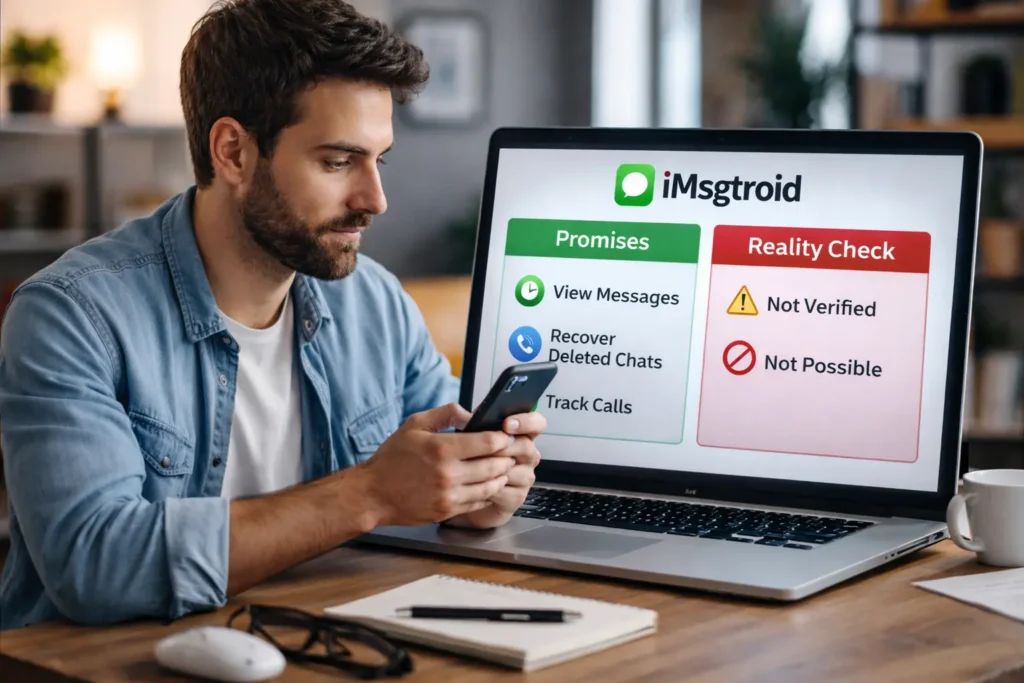
Websites promoting iMsgtroid often list impressive features. They claim users can read private iMessages, recover deleted conversations, and even view call logs. Some pages go further and promise real-time tracking or full message history access. These features are designed to target emotional situations, such as relationship doubts or parental monitoring concerns. While the claims sound powerful, they lack proof, technical documentation, or verified user evidence. When software promises unrestricted access to encrypted communication systems, it deserves serious skepticism.
The Technical Reality Behind iMsgtroid
To understand whether iMsgtroid could even work, you need to understand how iMessage security functions. Apple uses end-to-end encryption, meaning only the sender and receiver can read the messages. Even Apple cannot freely access user messages without proper authentication and legal process. There is no public API that allows third-party websites to retrieve private chats using just a phone number. Without device access, account credentials, or legal authority, message retrieval is not technically feasible. This makes the core promise of iMsgtroid highly questionable.
Apple’s End-to-End Encryption System
iMessage uses strong encryption protocols that protect conversations during transmission and storage. Messages are secured on the sender’s device and can only be unlocked on the recipient’s device. This design prevents external interception. A random website cannot override this security model without direct device compromise, which would require far more than a phone number.
Why Third-Party Tools Cannot Access iMessage Servers
Apple does not provide open server access for private message data. Any legitimate integration requires official developer approval and strict privacy controls. Websites claiming instant message access without login credentials contradict how Apple’s infrastructure is built. That technical gap is a major warning sign.
No Official API Access from Apple
Apple’s developer ecosystem is tightly controlled. There is no official API that allows external platforms to pull iMessage conversations from user accounts. If such access existed, it would be widely documented in developer resources. The absence of official documentation strongly suggests that iMsgtroid’s claims are unrealistic.
Common Scam Techniques Used by Sites
Many questionable tech tools follow a predictable pattern. First, they promise exclusive or restricted access to private data. Then they create urgency using phrases like “limited time access” or “exclusive system unlock.” After building anticipation, they introduce verification tasks. These tasks often involve downloading sponsored apps, completing surveys, or signing up for trial services. Each completed action generates revenue for the site owner. Meanwhile, users never actually receive the promised data. This affiliate-style funnel is a widely recognized online monetization tactic disguised as a hacking solution.
👉 You might also like: What Is Fesbuka? A Simple Guide for Social Media Users
Risks of Using Online Tools
Interacting with suspicious tools carries multiple risks. The most immediate threat is exposure to malicious software. Some verification downloads may include spyware or tracking components. There is also a risk of sharing personal information, such as email addresses or payment details, which can lead to phishing attacks. In some cases, users unknowingly subscribe to recurring charges hidden inside “free trials.” Beyond financial harm, there is also reputational and legal risk if someone attempts to access private communications without consent. The consequences can extend far beyond a simple failed attempt.
Malware and Spyware Risks
Downloading unknown apps or files from unofficial sources increases the risk of malware infections. Malicious software can monitor browsing activity, steal stored passwords, or track device usage. Even one compromised download can create long-term security issues.
Data Theft and Privacy Exposure
Entering personal details into unverified websites can lead to data harvesting. Collected information may be sold to third parties or used for targeted scams. Once personal data spreads online, regaining control becomes extremely difficult.
Financial Scams and Hidden Charges
Some verification steps require credit card details for “temporary access.” These often convert into recurring subscriptions. Users may not notice charges until weeks later, making refunds difficult to recover.
Why People Fall for Tools Like iMsgtroid
Emotional triggers play a major role in the popularity of tools like iMsgtroid. Relationship doubts, parental concerns, and curiosity about private conversations create urgency. When someone feels uncertain or suspicious, logical thinking can take a back seat. Scam-style tools are designed to target that emotional vulnerability. They promise quick answers with minimal effort. Combined with technical-looking graphics and confident claims, the illusion becomes convincing. Understanding the psychology behind these tactics helps reduce the likelihood of falling for similar schemes in the future.
Safe and Legitimate Alternatives
Instead of searching for tools that promise unauthorized access, it’s smarter to explore legitimate alternatives. If you need monitoring for safety reasons, there are verified parental control apps that operate with device consent and clear installation processes. Businesses use mobile device management systems under formal agreements.
Cross-platform messaging apps also provide secure access to your own conversations across devices. The key difference is transparency. Legitimate solutions explain how they work, require proper authorization, and operate within privacy laws. That transparency is what separates real tools from questionable claims.
- Cross-platform messaging apps with secure login
- Parental control apps with user consent
- Enterprise monitoring solutions under legal agreements
How to Protect Yourself From Similar Online Scams
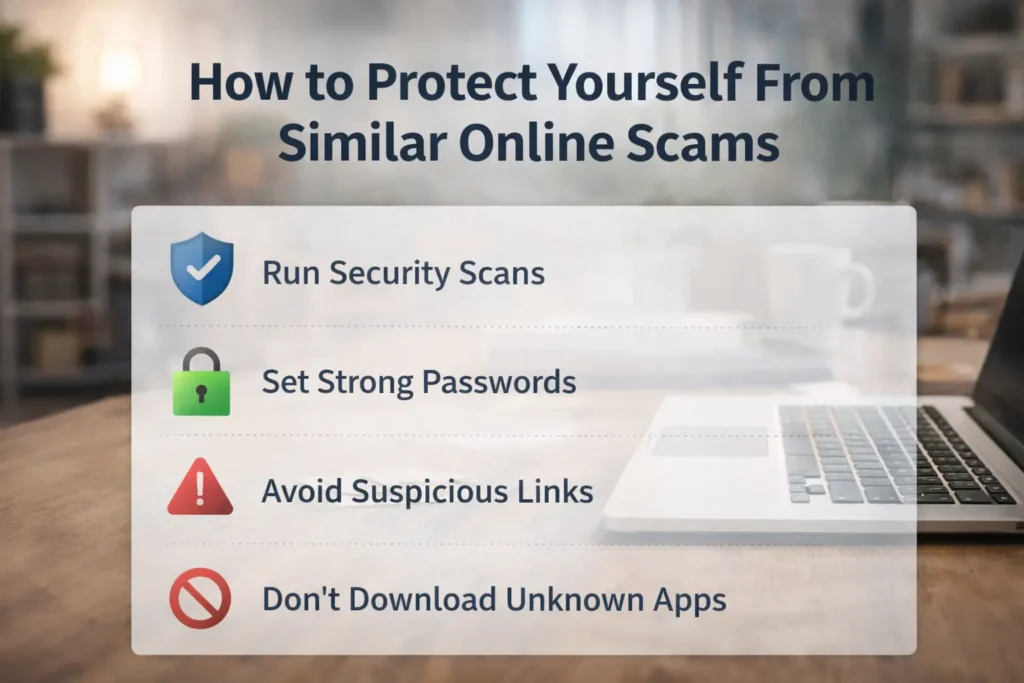
Online scams follow patterns. Once you understand those patterns, it becomes easier to avoid them. Be cautious of websites that promise access to private data without login credentials. Look for missing company information, unrealistic claims, and forced verification steps. Always check whether a tool is available in official app stores.
Avoid downloading files from unknown sources. Use updated antivirus software and enable two-factor authentication on important accounts. Digital awareness is one of the strongest forms of protection. Staying informed reduces your exposure to both financial and privacy risks.
iMsgtroid vs Similar Tools (Comparison Section)
When comparing iMsgtroid to legitimate messaging or monitoring tools, the differences are clear. Verified applications require installation on the target device with proper authorization. They provide customer support, subscription terms, and privacy disclosures. iMsgtroid, by contrast, typically operates through browser-based input forms and verification loops.
Real software products have documented functionality and compliance standards. Questionable tools rely on visual effects and promises. Understanding this distinction helps users evaluate claims critically rather than emotionally. Transparency, documentation, and legal compliance are what define trustworthy technology.
- iMsgtroid vs IMSDroid naming confusion
- iMsgtroid vs verified parental monitoring tools
- Browser-based claims vs installed applications
👉 You might also like: Odoo Consulting Services: What to Expect and How to Get Started
Expert Opinions on iMsgtroid
Cybersecurity professionals consistently emphasize that end-to-end encrypted systems cannot be accessed through simple phone number input tools. Encryption is specifically designed to prevent unauthorized interception. Experts also warn that verification-based funnels are common affiliate marketing schemes rather than hacking solutions. Security analysts recommend skepticism toward any service claiming instant access to private communications without device authentication. The technical consensus is clear: if a tool bypasses encryption without credentials, it contradicts established cybersecurity principles. Expert guidance strongly supports caution when evaluating such claims.
Conclusion
Based on technical limitations, lack of transparency, and user-reported experiences, iMsgtroid raises significant credibility concerns. Its core claims conflict with Apple’s encryption infrastructure. There is no verified company backing the service, no official app store presence, and no documented proof of functionality. While curiosity may drive interest, the risks outweigh any promised benefit. If your goal is message recovery or monitoring, legitimate and lawful options exist. Choosing secure, transparent solutions protects both your data and your peace of mind.
Frequently Asked Questions (FAQs)
Can iMsgtroid really access someone’s iMessages?
There is no reliable evidence proving that iMsgtroid can access private iMessages. Apple uses end-to-end encryption, which means only the sender and recipient can read those messages. Without direct device access or account credentials, retrieving private messages remotely is not technically realistic. Any website claiming instant access using only a phone number should be carefully questioned.
Is iMsgtroid safe to use?
There is no confirmed proof that iMsgtroid is safe. Websites promoting it often require verification steps, app downloads, or survey completion. These actions can expose users to potential risks such as malware, phishing attempts, or unwanted subscriptions. Before interacting with any tool that promises access to private data, it’s important to consider privacy and security implications.
Why does iMsgtroid ask for human verification?
Human verification steps are commonly used in affiliate marketing funnels. Users are asked to download apps, complete surveys, or sign up for offers. These actions generate revenue for the website owner. In many reported cases, users do not receive the promised message access after completing these steps.
Is it legal to use tools like iMsgtroid?
In many countries, accessing someone’s private messages without their consent can violate privacy and cybersecurity laws. Laws vary by region, but unauthorized monitoring of digital communication can carry serious legal consequences. It’s important to understand your local laws before attempting to use any monitoring tool.
What should I do if I already used iMsgtroid?
If you entered personal information or downloaded anything, take precautions immediately. Change important passwords, enable two-factor authentication, and monitor your bank statements for unusual charges. Running a security scan on your device is also recommended to ensure no harmful software has been installed.
Are there legitimate ways to recover deleted iMessages?
Yes. If you are trying to recover your own deleted iMessages, Apple provides official recovery options through iCloud backups and device backups made with Finder or iTunes. These methods require prior backup activation and proper Apple ID authentication. They are the safest and most reliable ways to restore message data.
Why do tools like iMsgtroid become popular?
Tools like iMsgtroid often gain attention through social media trends, viral videos, and emotional marketing. Curiosity, relationship concerns, or parental monitoring needs can drive people to search for quick solutions. Marketing tactics that create urgency or exclusivity also contribute to their popularity.
✨ Keep your knowledge sharp. Follow Tech Statar.