

From Cash to Tap: The Rise of Subway Payments in 2025
The way people pay for their subway rides has completely transformed over the last decade. Gone are the days of fumbling with coins, paper tickets, or old plastic cards. Today, in 2025, subway payments are faster, smarter, and more digital than ever, reflecting how technology has revolutionized even the most everyday experiences.
Whether you’re a daily commuter, a tourist navigating a new city, or a tech enthusiast curious about the future of transit systems, understanding how modern subway payments work can make your journey smoother and more efficient.
What Are Subway Payments?
Subway payments refer to the various systems and methods commuters use to pay for their rides on public transit, particularly underground metro or subway networks.
Traditionally, riders paid with tokens or paper tickets. But as technology advanced, magnetic cards and smartcards replaced them. Fast forward to today, and digital, contactless, and mobile payment systems have become the standard.
These modern solutions allow passengers to tap, scan, or wave their cards or phones, cutting down waiting times and improving convenience.
Evolution of Subway Payments
The history of subway payments mirrors the evolution of technology itself:
1. Tokens & Paper Tickets (20th Century)
Simple but slow. Passengers queued to buy tokens or tickets from booths.
2. Magnetic Swipe Cards (1990s–2000s)
Faster than tokens, but prone to wear and tear (like New York’s MetroCard).
3. Smartcards (2000s–2010s)
Introduced tap-in/tap-out convenience. Examples include London’s Oyster Card, Hong Kong’s Octopus Card, and Tokyo’s Suica Card.
4. Contactless & Mobile Payments (2020s–2025)
Now the global standard. Riders can use Apple Pay, Google Pay, contactless credit cards, or even QR codes to enter the subway, no ticket needed.
Today, many metro networks around the world aim to go fully cashless, allowing seamless entry with just a tap of a phone or smartwatch.
Types of Modern Subway Payment Methods
1. Contactless Cards
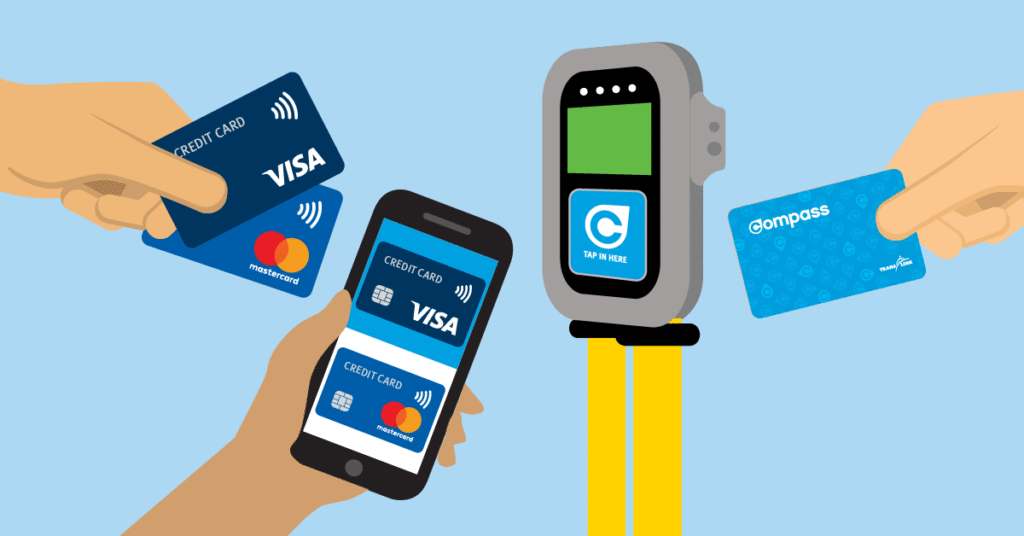
Contactless cards are among the simplest and most common forms of digital subway payment.
By using NFC (Near Field Communication) technology, riders can simply tap their bank card at the gate. No need to top up or buy a separate pass, the system automatically charges the correct fare.
Benefits:
- Instant payment (under a second per tap).
- Works across buses, trains, and subways.
- Secure encryption prevents data theft.
Cities like London, New York, and Singapore have fully adopted contactless card systems that accept Visa, Mastercard, and Amex.
2. Mobile Payments
The next evolution came with smartphones and wearables.
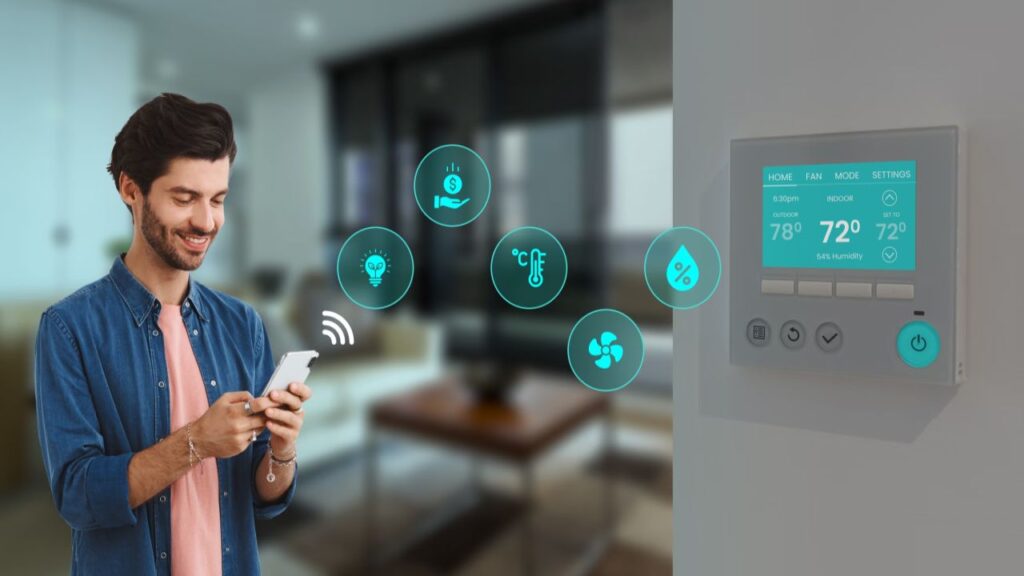
Now, commuters can use Apple Pay, Google Pay, or Samsung Pay to enter subways just by holding their device near the reader. It’s convenient, especially for those who’ve replaced their wallets entirely with mobile apps.
Transit systems are also integrating dedicated mobile apps that let users add funds, track journeys, and view trip history, no physical card required.
Pro Tip:
Most systems charge the lowest available fare automatically, so you never overpay, even if you forget to buy a pass.
3. Transit Smartcards
Before mobile payments became mainstream, smartcards were the backbone of modern subway systems, and they’re still widely used.
These are reloadable, stored-value cards that can be topped up online, at kiosks, or via apps. They’re durable, easy to manage, and often used across multiple forms of public transit (buses, trams, subways).
Popular Examples:
- Oyster (London)
- OMNY / MetroCard (New York)
- Octopus (Hong Kong)
- Suica / Pasmo (Tokyo)
- SimplyGo (Singapore)
Even as contactless bank cards become more common, smartcards remain a reliable and inclusive option for tourists and residents who prefer prepaid systems.
4. QR Code & NFC Payments
In Asia and other tech-forward cities, QR code subway payments have gained traction.
Instead of tapping, passengers scan a unique QR code on their phone app at entry and exit gates. Apps like Alipay, WeChat Pay, and GrabPay make this seamless.
Meanwhile, NFC-based systems (used by Apple Pay and Google Pay) provide the same tap-and-go experience without scanning.
QR systems are popular for affordability and easy implementation, especially in developing cities with high smartphone adoption.
Benefits of Digital Subway Payments
The rise of digital and contactless subway payments isn’t just about convenience; it’s about transforming urban mobility.
1. Speed & Efficiency:
Tap-and-go systems drastically reduce queues, letting commuters flow through gates faster.
2. Safety & Hygiene:
No cash exchange or touching shared machines is essential in a post-pandemic world.
3. Transparency & Tracking:
Digital records make expense tracking easy for both individuals and companies.
4. Seamless Integration:
Pay for subways, buses, ferries, and even parking with a single system.
5. Global Compatibility:
Many cards and wallets now work across countries, a major benefit for travelers.
Challenges & Concerns
Despite their success, modern subway payment systems face some challenges:
- Privacy: Data collection on travel patterns raises concerns.
- Security: Although contactless cards are encrypted, stolen cards can still be misused if not reported promptly.
- Accessibility: Not everyone owns a smartphone or contactless card.
- Technical Glitches: System downtime or NFC failures can delay entry.
Transit authorities worldwide are addressing these issues by improving infrastructure, offering offline options, and maintaining traditional kiosks for inclusivity.
Global Examples of Efficient Subway Payment Systems
Let’s look at cities that have mastered the art of seamless subway payments:
- London (UK):
The Oyster Card and direct contactless bank card payments make it one of the most advanced networks globally. - New York (USA):
OMNY lets users tap any contactless card or device to ride across the MTA system. - Hong Kong (China):
The Octopus Card has long been a model for smart payments usable everywhere from trains to vending machines. - Singapore:
SimplyGo integrates all modes of transport into a single digital fare system. - Tokyo (Japan):
Suica and Pasmo cards are compatible with Apple Pay and Google Wallet, offering unmatched flexibility.
Each of these cities showcases how innovation in subway payment systems improves the daily commute.
The Future of Subway Payments (2025 & Beyond)
So what’s next for subway payments?
1. Unified Global Fare Systems
Imagine tapping your card in London and using the same one in New York. Many regions are moving toward interoperable systems that make this possible.
2. AI & Predictive Analytics
AI will personalize travel experiences, suggesting cheaper routes or off-peak travel discounts based on behavior.
3. Blockchain for Security
Blockchain-based ticketing could prevent fraud, double-charging, and data leaks.
4. Subscription-Based Travel
Instead of paying per ride, commuters might subscribe monthly, similar to streaming services.
The goal: create a frictionless travel experience across cities and countries.
Tips for Commuters
If you want to make the most of subway payment systems, keep these quick tips in mind:
1. Check Compatibility:
Before traveling, verify whether your card or phone supports contactless transit in your city.
2. Use Daily Caps:
Many cities automatically cap fares you’ll never pay more than a set daily limit.
3. Keep Backup Options:
Always have a second payment method in case your phone dies or the gate reader fails.
4. Register Your Card:
Linking your transit card online lets you track usage and recover a balance if it’s lost.
5. Stay Updated:
Transit systems often release new features or promotions; stay in the loop via official apps.
Conclusion
The evolution of subway payments reflects how technology reshapes our daily routines. From metal tokens to seamless smartphone taps, the journey has been remarkable, and it’s still accelerating.
In 2025, commuters expect not just speed but simplicity, security, and universality. Whether you’re using a mobile wallet, a transit smartcard, or your smartwatch, paying for a subway ride has never been easier.
Next time you tap in at the gate, remember that behind that instant payment lies decades of innovation designed to make your ride smoother, smarter, and faster.
Frequently Asked Questions (FAQs)
Q1: How do subway payments work?
You can pay using contactless bank cards, mobile wallets, QR codes, or transit smartcards by tapping or scanning at the gate.
Q2: Are contactless subway payments safe?
Yes. Transactions are encrypted and highly secure, similar to retail contactless payments.
Q3: What if my mobile payment fails?
Try again or use a backup card. Most gates allow retrying within seconds.
Q4: Can tourists use contactless cards for subway rides?
Absolutely. Most global cities now accept international Visa and Mastercard contactless payments.