
How Healthcare Technology Improving Patient Care with AI
Healthcare today looks very different from what it did even a decade ago. Technology is now deeply involved in how doctors diagnose illnesses, how hospitals manage patients, and how people take care of their own health. From simple online appointment systems to advanced AI-powered tools, technology is helping healthcare become faster, safer, and more patient-focused. The main goal is not to replace doctors, but to support them with better tools. When used correctly, technology improves outcomes, reduces errors, and creates a smoother experience for patients at every stage of care.
What Is Healthcare Technology?
Healthcare technology refers to the digital tools, systems, and devices used to improve medical services and patient outcomes. This includes software like electronic health records, hardware such as medical imaging machines, and digital platforms like telemedicine apps. Unlike traditional healthcare, which relied heavily on paperwork and manual processes, modern healthcare uses data and automation to make better decisions. These technologies help doctors access accurate patient information quickly, improve communication between medical teams, and deliver more personalized care. For patients, this means faster service, clearer information, and better overall treatment experiences.
Key Ways Technology Is Improving Patient Care
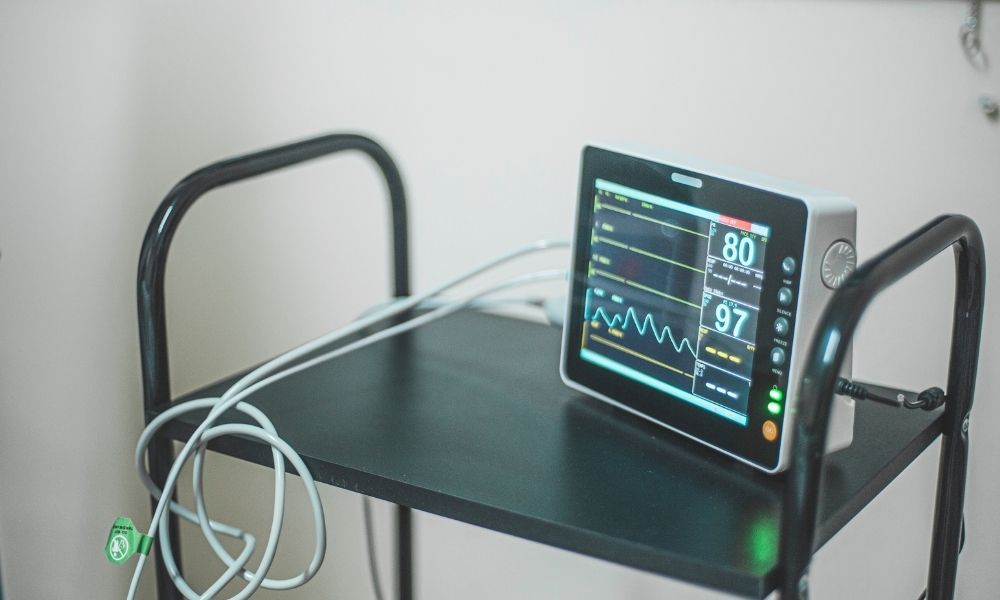
Technology is improving patient care in many practical and visible ways. It supports doctors in making accurate decisions, helps hospitals operate efficiently, and gives patients more control over their health. Digital tools reduce delays, cut down errors, and improve communication across the healthcare system. Whether it is early diagnosis, remote monitoring, or personalized treatment plans, technology is changing how care is delivered. Below are the most important areas where technology is making a real difference in everyday patient care.
Faster and More Accurate Diagnosis
Modern diagnostic technology allows doctors to detect diseases earlier and with greater accuracy. AI-powered tools analyze medical images, lab reports, and patient history to highlight potential issues that may be missed by the human eye. Advanced imaging systems like MRI and CT scans provide clearer insights into internal conditions. Faster diagnosis means treatment can start earlier, which often leads to better recovery rates. For patients, this reduces uncertainty, shortens waiting times, and improves trust in the healthcare process.
Electronic Health Records (EHRs)
Electronic Health Records have replaced paper files with secure digital patient records. EHRs store medical history, prescriptions, test results, and treatment plans in one place. This makes it easier for doctors to access up-to-date information and coordinate care across departments. It also reduces the risk of medication errors and duplicate tests. Patients benefit from smoother hospital visits and more consistent care. EHRs also improve transparency, allowing patients to better understand their own health information.
Telemedicine and Remote Care
Telemedicine allows patients to consult doctors through video calls, phone calls, or online platforms. Remote care saves time, reduces travel costs, and makes healthcare more accessible. During follow-ups or minor health concerns, patients can receive professional advice without visiting a hospital. Telemedicine also helps reduce overcrowding in clinics, allowing doctors to focus more on critical cases while still supporting routine care needs.
Wearable Health Devices and Remote Monitoring
Wearable devices such as smartwatches and fitness trackers help monitor vital health data in real time. These devices can monitor heart rate, physical activities, sleeping patterns of the patient, and even blood oxygen levels. For patients with chronic conditions, remote monitoring allows doctors to observe health trends without frequent hospital visits. This early detection of changes helps prevent serious complications. Wearables encourage patients to stay involved in their health, leading to better habits and improved long-term outcomes.
👉 You might also like: How to Start an Online Business With AI in 2026
Personalized Treatment Through Data and AI
Personalized care uses patient data and artificial intelligence to create treatment plans that match individual needs. Instead of a one-size-fits-all approach, doctors can analyze genetics, lifestyle, and medical history to choose the most effective treatment. AI tools help predict how patients may respond to specific therapies. This leads to fewer side effects and better results. For patients, personalized treatment feels more thoughtful and precise, improving confidence and satisfaction with their care.
Robotics and Automation in Healthcare
Robotics and automation are improving accuracy and efficiency in hospitals. Surgical robots assist doctors in performing complex procedures with greater precision and smaller incisions. Automation also helps in laboratories, pharmacies, and patient scheduling systems. These technologies reduce human error and speed up routine tasks. For patients, this means safer surgeries, shorter recovery times, and fewer delays. Robotics supports medical professionals by allowing them to focus more on patient care rather than manual processes.
Mobile Health Apps and Patient Engagement
Mobile health apps help patients stay connected to their healthcare providers. These apps offer features like appointment scheduling, medication reminders, and access to test results. Many apps also provide educational content that helps patients understand their conditions better. When patients are informed and engaged, they are more likely to follow treatment plans. Mobile apps make healthcare feel more accessible and personal, strengthening the relationship between patients and medical professionals.
Benefits of Technology for Patients & Healthcare Providers

Technology improves the patient experience by making healthcare more accessible, transparent, and efficient. Patients can book appointments online, access medical records, and communicate with doctors more easily. Digital tools reduce waiting times and lower the risk of medical errors. Remote care options save time and money, especially for follow-up visits. Overall, technology gives patients more control over their health, leading to higher satisfaction and better long-term health outcomes.
For healthcare providers, technology improves efficiency and decision-making. Digital systems reduce paperwork and administrative tasks, allowing doctors and nurses to spend more time with patients. Access to real-time data supports more accurate diagnoses and treatment plans. Collaboration between departments becomes smoother through shared digital platforms. Technology also helps manage workloads and reduce burnout. When providers work more efficiently, the quality of patient care naturally improves.
Challenges and Limitations of Healthcare Technology
Despite its benefits, healthcare technology also comes with challenges. Data privacy and security are major concerns, especially with sensitive patient information stored digitally. High costs of implementation can be difficult for smaller healthcare facilities. Some medical staff may require training to use new systems effectively. There is also a risk of over-relying on technology. Addressing these challenges is essential to ensure technology supports, rather than complicates, patient care.
The Role of Artificial Intelligence in Patient Care
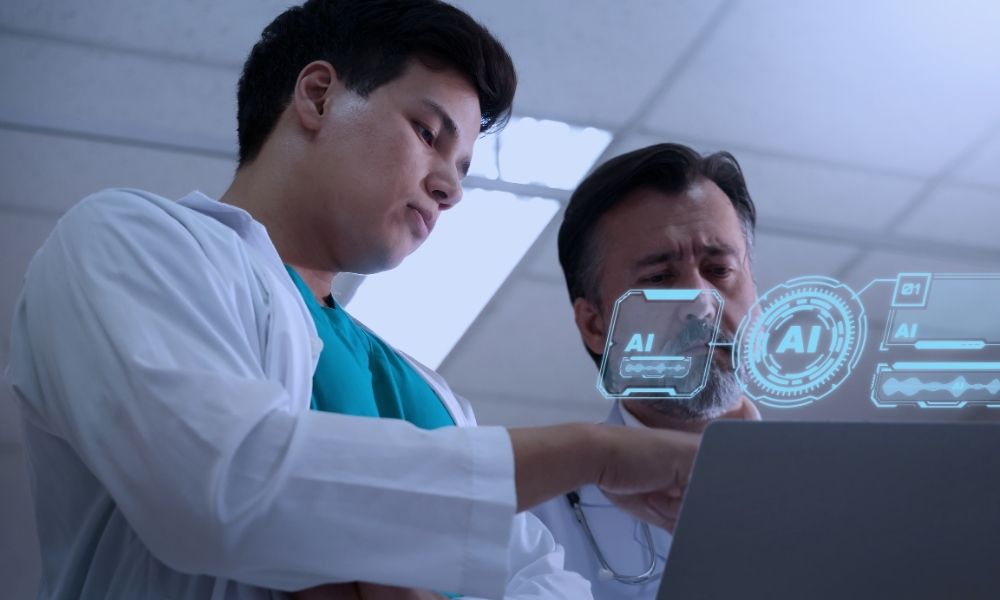
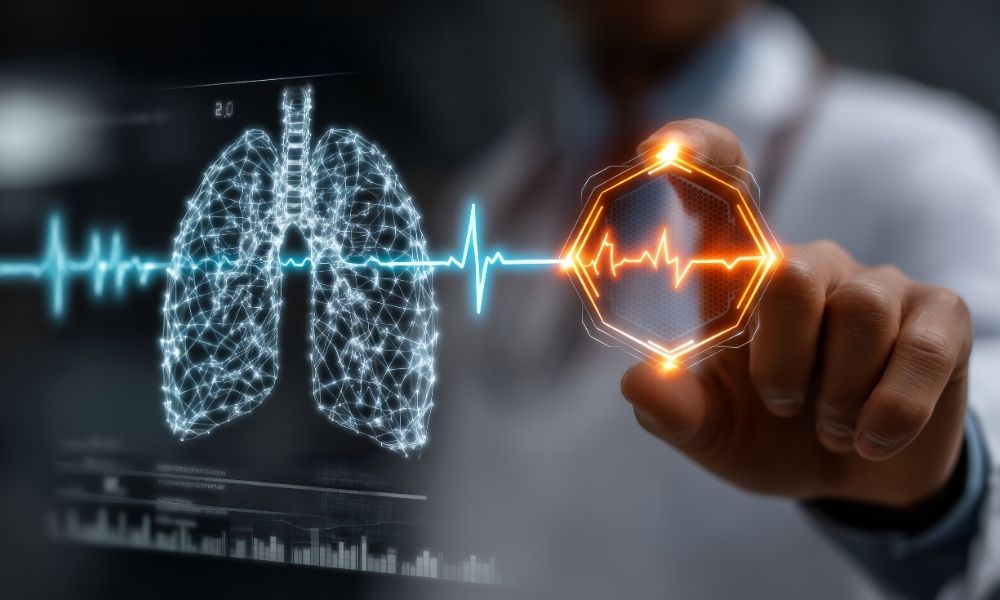
Artificial intelligence is playing an increasingly important role in improving patient care across the healthcare system. By analyzing large volumes of medical data, AI helps doctors make quicker and more informed decisions. It supports diagnosis, predicts health risks, and improves treatment planning. AI does not replace medical professionals, but works alongside them to reduce errors and improve accuracy. For patients, this means faster care, more personalized treatment, and better overall outcomes. As AI continues to evolve, it is becoming a key part of modern, patient-centered healthcare.
AI-Powered Clinical Decision Support
AI-powered clinical decision support systems help doctors evaluate patient data more effectively. These tools analyze medical history, lab reports, and imaging results to suggest possible diagnoses or treatment options. This support allows doctors to make decisions with greater confidence. It also reduces the chances of human error and improves consistency in care, leading to safer and more reliable patient treatment.
AI in Predictive Analytics and Early Risk Detection
Predictive analytics uses AI to identify potential health risks before they become serious. By recognizing patterns in patient data, AI can predict disease progression, complications, or hospital readmissions. This allows healthcare providers to take early action and prevent emergencies. Early risk detection improves long-term outcomes and helps patients receive timely, proactive care instead of reactive treatment.
The Future of Technology in Patient Care
The future of healthcare will be even more technology-driven and patient-centered. AI will play a bigger role in diagnosis and treatment planning. Remote and home-based care will continue to grow, reducing pressure on hospitals. Advanced data analytics will help predict health risks before symptoms appear. While technology will not replace human care, it will continue to strengthen it. The focus will remain on improving outcomes, safety, and overall patient experience.
👉 You might also like: Power of Dr. Hubert and Dr. Jennifer Hubert’s Holistic Healthcare Approach
Conclusion
Technology has become a powerful partner in modern healthcare. It supports doctors, empowers patients, and improves the overall quality of care. From faster diagnosis to personalized treatment and remote monitoring, technology is making healthcare more efficient and accessible. While challenges exist, the benefits clearly outweigh the limitations. When used responsibly, technology enhances human expertise and helps create a healthcare system that truly puts patients first.
Frequently Asked Questions (FAQs)
How does technology improve patient safety?
Technology improves patient safety by reducing human error and improving accuracy in diagnosis and treatment. Digital records help prevent medication mistakes, while monitoring tools track patient conditions in real time. Automated alerts and data analysis allow doctors to act quickly when risks appear. This leads to safer care and better outcomes for patients.
Is telemedicine effective for patient care?
Telemedicine is effective for many types of medical care, especially consultations, follow-ups, and minor health issues. It improves access to healthcare and saves time for patients and doctors. While some conditions still require in-person visits, telemedicine is a reliable and convenient option for routine care and ongoing monitoring.
Are electronic health records secure?
Electronic health records are designed with strong security measures such as encryption and controlled access. Healthcare providers follow strict data protection rules to keep patient information safe. While no system is completely risk-free, EHRs are generally more secure than paper records and allow better control over who can view patient data.
Can technology replace doctors and nurses?
Technology cannot replace doctors and nurses, but it can support them. Digital tools assist with diagnosis, monitoring, and administrative tasks, allowing healthcare professionals to focus on patient care. Human judgment, empathy, and experience remain essential in healthcare. Technology works best as a support system, not a replacement.
How does remote patient monitoring work and help patients?
Remote patient monitoring uses digital tools like wearables and sensors to collect health data outside traditional clinical settings. Doctors can track vital signs such as heart rate or blood pressure in real time, spot concerning trends early, and intervene before an emergency arises. This improves outcomes for chronic conditions and reduces hospital visits, especially for those who need routine monitoring at home.
Can technology help reduce medical errors in hospitals?
Yes. Digital systems such as electronic health records, barcode medication scanning, and clinical decision support tools help eliminate manual errors. These tools improve accuracy in prescriptions, lab results, and patient information sharing. By standardizing processes and providing alerts for potential risks, technology makes care safer and reduces costly mistakes.
What role do patient portals and health apps play in care?
Patient portals and mobile health apps let individuals access their records, schedule appointments, refill prescriptions, and message providers securely. These platforms boost engagement by giving patients visibility and control over their own health data. Increased engagement often leads to better treatment adherence, clearer communication, and stronger trust between patients and care teams.
✨ This is just the start. Follow Tech Statar for more gems.