
Introduction
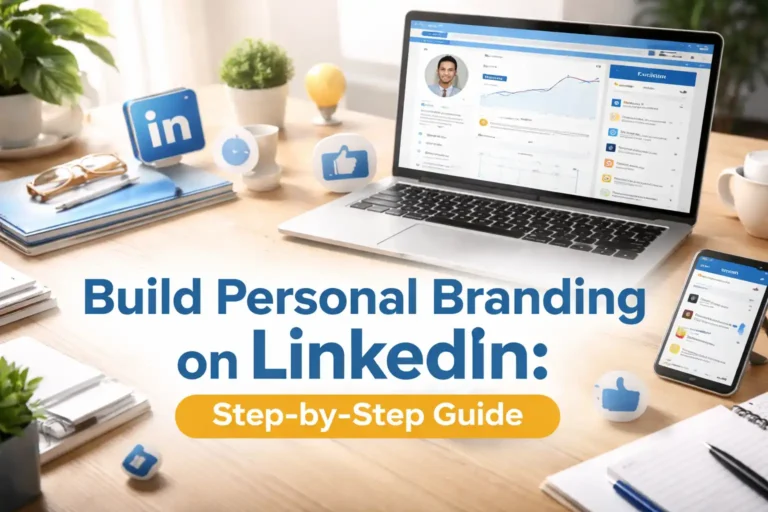
Personal branding on LinkedIn is not only about having a good-looking profile. It’s about how people perceive your expertise, credibility, and value in your industry. LinkedIn stands out because it has over 1 billion users, and according to LinkedIn data, 4 out of 5 members drive business decisions. That means your potential audience is already there.
In this guide, you’ll learn how to position yourself, optimize your profile, and create content that builds authority. Whether your goal is jobs, clients, or influence, this guide gives you a clear roadmap to build a strong LinkedIn presence.
What is Personal Branding on LinkedIn?
Personal branding on LinkedIn is the process of shaping how others see you professionally through your profile, content, and engagement. It’s not just about listing experience, it’s about communicating your value clearly. A strong LinkedIn brand combines positioning, consistency, and credibility signals.
Unlike traditional resumes, LinkedIn allows you to actively show expertise through posts, comments, and storytelling. When done right, it builds trust at scale. People start recognizing your name, associating it with a specific skill or niche, and eventually reach out for opportunities, collaborations, or business.
Why Building a Personal Brand on LinkedIn is Important
Building a personal brand on LinkedIn gives you leverage. According to LinkedIn, profiles with complete information get up to 40 times more opportunities. That alone shows the platform’s potential.
A strong brand helps you stand out in crowded industries. Whether you’re a freelancer, job seeker, or business owner, it creates visibility and trust. Over time, your content and presence act as a digital asset that keeps working for you, bringing in connections, leads, and authority without constant outreach.
Define Your Personal Brand Strategy
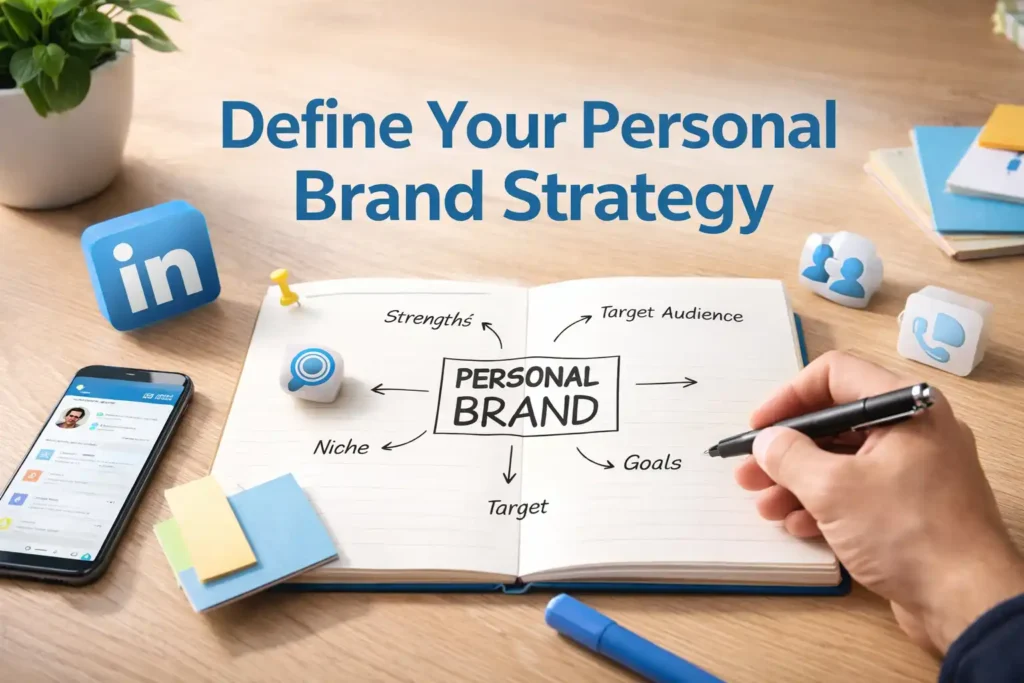
Before posting anything, you need clarity. A strong personal brand starts with strategy, not random content. Without direction, your efforts won’t convert into real results. You need to know who you are targeting, what you stand for, and what you want to achieve.
This step is where most people fail. They try to connect to everyone and close with connecting with no one. A clear strategy helps you stay consistent, create focused content, and build a recognizable presence. It becomes easier to attract the right audience and opportunities.
Identify Your Niche and Target Audience
Your niche defines what you are known for. It should be specific enough to stand out but broad enough to grow. Identify who you want to reach, such as founders, marketers, or job seekers. When you understand your audience, your content becomes more relevant and impactful.
Clarify Your Unique Value Proposition (UVP)
Your UVP is what makes you different. It answers why someone should follow or connect with you. This could be your experience, approach, or results. A strong UVP helps you stand out in a crowded space and gives people a clear reason to pay attention.
Set Clear Goals (Jobs, Clients, Authority, etc.)
Your goals define your strategy. Are you looking for a job, clients, or industry recognition? Each goal requires a different approach. For example, job seekers focus on skills and achievements, while freelancers focus on results and case studies to attract clients.
Competitor and Industry Analysis
Study what others in your niche are doing. Look at their content, engagement, and positioning. Identify what works now and where gaps are available. This helps you create better content and avoid common mistakes. The goal is not to copy but to differentiate yourself strategically.
💚 You might also like: The SaaS Trap: How Startups Can Optimize Their 2026 Software Budgets with Perpetual Licensing
Optimize Your LinkedIn Profile for Personal Branding (SEO Focused)
Your LinkedIn profile is your landing page. When someone visits your profile, they should instantly understand who you are and what you do. A well-optimized profile increases visibility in LinkedIn search results and improves conversion from profile visits to connections or leads.
LinkedIn SEO works similarly to Google. Keywords in your headline, about section, and experience help your profile rank. At the same time, clarity and storytelling improve engagement. The goal is to balance optimization with authenticity to create a profile that attracts and converts.
Create a Winning Content Strategy on LinkedIn
Content is the engine of your personal brand. Without content, your profile remains static. A strong content strategy helps you stay consistent, build authority, and attract the right audience. According to LinkedIn, users who post weekly see significantly higher engagement.
Your content should provide value, not just self-promotion. Focus on educating, inspiring, or sharing insights. Over time, consistent content builds trust and familiarity. This is what turns followers into opportunities, whether it’s job offers, clients, or collaborations.
Types of Content That Work on LinkedIn
High-performing content includes educational posts, personal stories, industry insights, case studies, and contrarian opinions. These formats attract attention and encourage engagement. Mixing different types keeps your content fresh and helps you connect with a wider audience.
Content Pillars (How to Choose 3–5 Core Topics)
Content pillars are the main topics you focus on. Choose 3 to 5 areas that align with your expertise and audience interests. This keeps your content consistent and helps people associate you with specific topics, strengthening your personal brand over time.
Content Formats (Text, Carousel, Video, Polls)
Different formats perform differently. Text posts are simple and effective. Carousels increase engagement, while videos build stronger connections. Polls encourage interaction. Using a mix of formats helps you reach more people and keeps your content strategy dynamic.
Posting Frequency and Consistency Strategy
Consistency matters more than frequency. Posting 2 to 4 times per week is a good starting point. The key is to stay consistent over time. Regular posting keeps you visible and helps the algorithm push your content to a wider audience.
How to Write Engaging LinkedIn Posts
Writing engaging LinkedIn posts is not about being perfect. It’s about being clear, relatable, and valuable. The LinkedIn algorithm favors content that keeps people reading, clicking, and interacting. That means your writing style matters as much as your ideas.
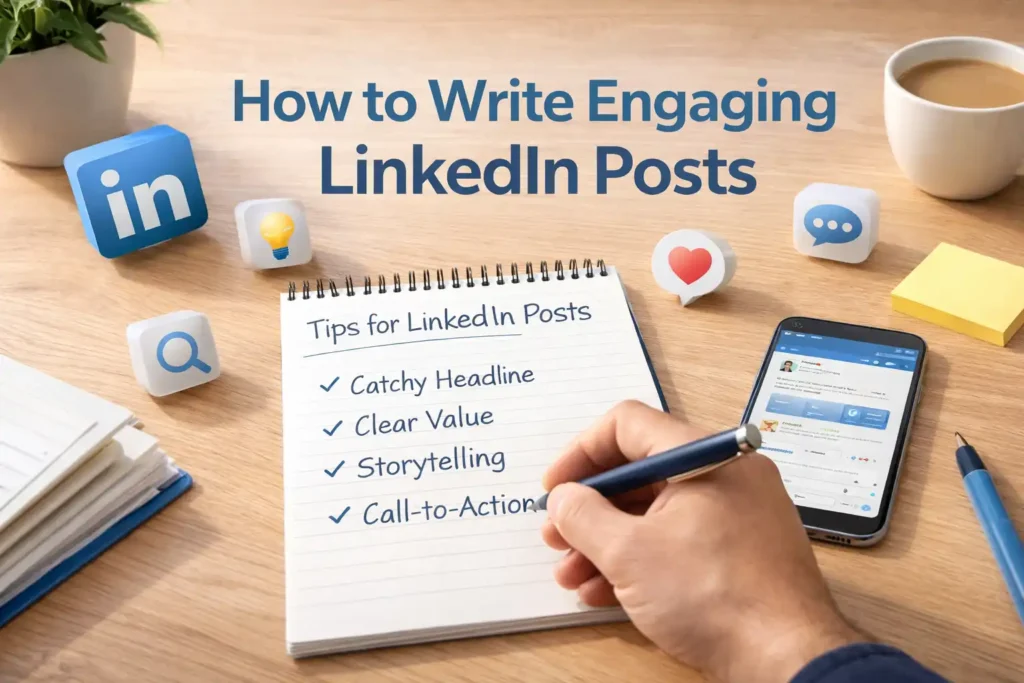
Strong posts usually follow a simple structure: a compelling hook, a clear message, easy formatting, and a reason to engage. According to LinkedIn insights, posts with higher dwell time perform better. So your goal is to keep readers interested from the first line to the last. When done right, even simple ideas can generate strong reach and engagement.
Hook Writing Techniques (First 2 Lines Strategy)
The first two lines decide whether someone reads your post or scrolls past it. A strong hook creates curiosity or highlights a clear benefit. You can use questions, bold statements, or relatable problems. The goal is to stop the scroll and make people want to click “see more.”
Storytelling Frameworks for LinkedIn
Storytelling makes your content memorable. Instead of sharing facts, explain experiences, challenges, and lessons. A simple structure works well: problem, action, and result. This helps readers connect with your journey and understand your insights in a more engaging and relatable way.
Formatting for Readability (Spacing, Short Lines)
LinkedIn is a fast-scrolling platform, so readability matters. Use short sentences, line breaks, and simple language. Avoid large blocks of text. Clean formatting makes your content easier to consume and increases the chances that people will read your entire post.
Call-to-Action (CTA) Strategies
Every post should guide the reader toward an action. This could be commenting, sharing, or following you. Keep your CTA simple and natural. Asking a question at the end often works well because it encourages engagement and starts conversations around your content.
💚 You might also like: Best AI Content Writing Guide for SEO Success in 2025
Build Authority with Consistent Engagement
Content alone is not enough. Engagement is what amplifies your reach and builds relationships. LinkedIn rewards users who actively participate, not just post. When you engage consistently, your visibility increases, and more people start recognizing your name.
Authority is built through interaction. Commenting, replying, and participating in discussions show that you are active and knowledgeable. Over time, this creates trust and positions you as someone worth following. The more you engage, the stronger your presence becomes within your niche and network.
Grow Your LinkedIn Network Strategically
A strong LinkedIn network is not about numbers. It’s about relevance. Connecting with the right people increases your reach and improves the quality of your interactions. A targeted network helps your content perform better and brings more meaningful opportunities.
Instead of sending random requests, focus on building connections that align with your goals. Whether you want clients, job opportunities, or partnerships, your network should support that direction. A strategic approach ensures that your LinkedIn presence continues to grow in the right way.
Use LinkedIn Features to Boost Your Brand
LinkedIn offers several built-in features that can strengthen your personal brand if used correctly. Most users only focus on posting, but features like Creator Mode, newsletters, and the featured section can significantly increase your visibility and authority.
Using these tools strategically helps you stand out and gives your profile more depth. It also signals to the LinkedIn algorithm that you are an active creator. When combined with consistent content and engagement, these features can accelerate your growth and help you build a stronger presence.
💚 You might also like: Find Emails & Phone Numbers from LinkedIn Profiles
Build Credibility and Social Proof
Credibility is what turns attention into trust. On LinkedIn, people decide quickly whether they should trust you or not. Social proof plays a big role in that decision. When others validate your expertise, it becomes easier for new visitors to believe in your value.
Building credibility is not about claiming expertise, it’s about showing it. Sharing results, testimonials, and real experiences strengthens your personal brand. Over time, these signals create a strong foundation that attracts opportunities and builds long-term trust.
Common Mistakes to Avoid in LinkedIn Personal Branding
Many people fail on LinkedIn not because of a lack of effort, but because of avoidable mistakes. Small errors in strategy, content, or behavior can limit your growth. Understanding these mistakes helps you avoid them and build a stronger personal brand.
The key is to stay focused, consistent, and authentic. LinkedIn rewards genuine effort and value-driven content. Avoid shortcuts and focus on long-term growth. When you eliminate common mistakes, your chances of success increase significantly.
Advanced Strategies to Scale Your Personal Brand
Once you build a solid foundation, the next step is scaling. Growth on LinkedIn is not just about posting more, it’s about being more strategic. Advanced strategies help you increase reach, improve efficiency, and turn your efforts into real outcomes.
At this stage, consistency is already in place. Now the focus shifts to optimization and leverage. This includes planning content in advance, reusing high-performing ideas, and using data to guide decisions. According to content marketing research, repurposed content can increase reach by up to 60%, making it a key growth strategy.
Building a Content Calendar
A content calendar helps you stay organized and consistent. Instead of thinking daily, you plan weekly or monthly. This reduces stress and improves quality. It also ensures your content aligns with your goals and covers all important topics within your niche.
Repurposing Content Across Platforms
Repurposing means turning one idea into multiple pieces of content. For example, a LinkedIn post can become a Twitter thread or blog section. This saves time and increases visibility. It allows you to get more value from your best-performing content.
Collaborations and Partnerships
Collaborating with other relevant persons helps you reach new audiences. This can include co-created posts, shoutouts, or joint discussions. Partnerships build credibility and expand your network. When done right, collaborations create mutual growth and stronger positioning in your industry.
Leveraging Analytics for Growth
Analytics shows the latest insights about what is working or not. LinkedIn provides data on impressions, engagement, and audience demographics. By analyzing this data, you can refine your strategy, focus on high-performing content, and improve results over time.
Turning Your Personal Brand into Revenue
A strong personal brand can generate income through clients, consulting, or partnerships. The key is to build trust first. Once people see your expertise, they are more likely to pay for your services. Clear positioning and consistent value make monetization easier.
💚 You might also like: Personal Branding Tips for Professionals & Entrepreneurs
Tools to Help You Build a Personal Brand on LinkedIn
Using the right tools can make your workflow faster and more effective. While LinkedIn itself is powerful, external tools help with content creation, scheduling, and analysis. They allow you to stay consistent without spending too much time on manual tasks.
The goal is not to rely on too many tools but to use the right ones. Tools help you to simplify your process, not to complicate it. When used correctly, they improve content quality, save time, and help you scale your efforts more efficiently.
Content Creation Tools
Content creation tools help you design better posts and visuals. Tools like Canva make it easy to create carousels and graphics. Writing tools like Grammarly improve clarity and correctness. These tools help you produce high-quality content consistently.
Scheduling Tools
Scheduling tools help you to build a plan and automate your posts. Platforms like Buffer or Hootsuite help maintain consistency. Instead of posting manually every day, you can schedule content in advance and focus more on engagement and strategy.
Analytics Tools
Analytics tools provide deeper insights into performance. While LinkedIn has built-in analytics, tools like Shield offer more detailed data. These insights help you understand what type of content works best and how your audience is responding.
Profile Optimization Tools
Profile optimization tools help you improve your LinkedIn presence. Tools like Resume Worded analyze your profile and suggest improvements. They help ensure your profile is aligned with best practices and optimized for better visibility.
30-Day Action Plan to Build Your LinkedIn Personal Brand
Building a personal brand can feel overwhelming, but a structured plan makes it manageable. A 30-day roadmap helps you take focused action without confusion. Instead of trying everything at once, you follow a step-by-step process.
This plan is designed to help you build momentum quickly. By the end of 30 days, you will have an optimized profile, a content system, and a growing network. The key is to stay consistent and follow each step carefully.
Week 1: Profile Optimization
Focus on optimizing your profile. Update your profile picture, banner, headline, and about section. Make sure your positioning is clear. This step is important because your profile acts as your foundation for all future activities.
Week 2: Content Foundation
Start creating content. Define your content pillars and write your first few posts. Focus on clarity and value. Don’t aim for perfection. The goal is to build confidence and establish a consistent posting habit.
Week 3: Engagement Strategy
Increase your activity. Comment on posts, reply to messages, and interact with your network. Engagement helps you get noticed and build relationships. This step is crucial for expanding your reach and visibility.
Week 4: Growth and Scaling
Analyze your results and improve your strategy. Start exploring advanced strategies like collaborations and content planning. This helps you move from consistency to growth.
FAQs About Building a Personal Brand on LinkedIn
How much time is required to build a personal brand?
Building a personal brand takes time. Most people start seeing results within 60 to 90 days of consistent effort. However, strong authority can take several months. The key is to stay consistent and focus on providing value regularly.
How often should I post on LinkedIn?
Posting 2 to 4 times per week is a good starting point. Consistency matters more than frequency. Regular posting keeps you visible and helps you build momentum. Over time, you can customize your schedule according to your workload.
Do I need a large network to start?
No, you don’t need a large network. Even with a small audience, you can start building your brand. Quality matters more than quantity. As you create valuable content and engage consistently, your network will grow naturally.
Can beginners build a personal brand on LinkedIn?
Yes, beginners can build a strong personal brand. You don’t need years of experience. Sharing your learning journey, insights, and progress can be just as valuable. Authenticity often resonates more than expertise alone.
What type of content performs best?
Content that provides value performs best. This includes educational posts, personal stories, and practical insights. Content that is easy to read and relatable tends to get more engagement. The goal is to help your audience learn or relate.
💚 You might also like: Oncepik: How It Improves Productivity and Workflow
Conclusion
Building a personal brand on LinkedIn is a long-term investment. It requires clarity, consistency, and patience. The process may seem slow at first, but over time, the results compound.
Start by optimizing your profile, then focus on creating valuable content and engaging with your network. As you grow, refine your strategy and explore advanced techniques. The most important step is to start and stay consistent.
✨ If you love progress, you’ll love Tech Statar. Hit follow.