
The Intersection of AI and Creativity
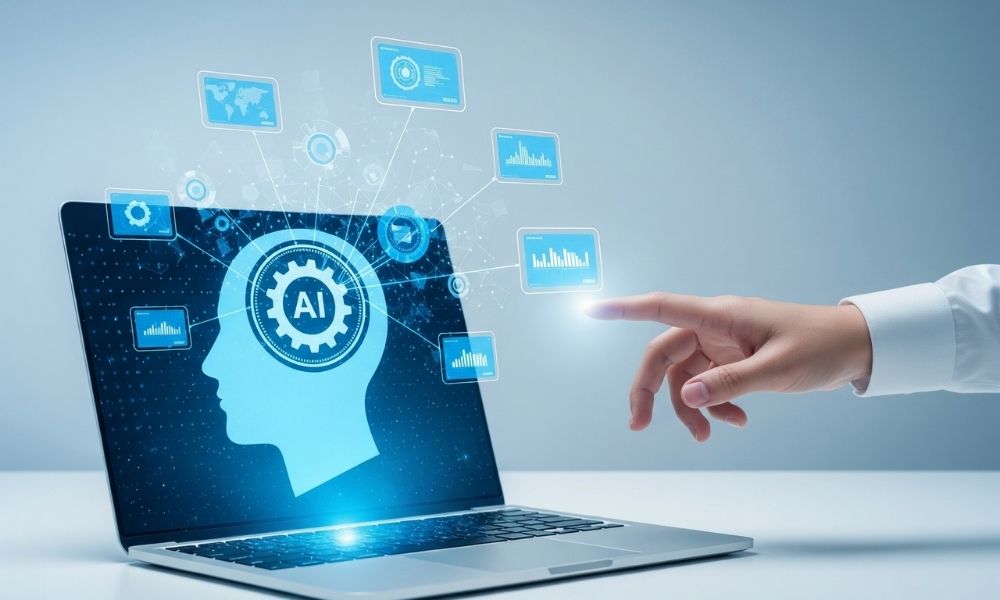
In 2026, artificial intelligence (AI) is no longer just a tool for automating repetitive tasks or analysing large data sets. We are entering an era where agentic AI, systems capable of acting autonomously to make decisions, is driving significant transformation across industries. From healthcare to finance and even fashion, AI is evolving from being a reactive assistant to an active decision-maker. However, as these autonomous systems become more prevalent, the question remains: how do we maintain creativity, ethics, and human oversight while integrating AI into highly subjective fields?
The fashion industry, with its strong reliance on creativity, intuition, and cultural sensitivity, presents a particularly interesting case study in this regard. AI-powered design tools are already capable of generating designs, predicting trends, and optimising production. But can AI truly replace the artistry and emotional connection that define fashion? More importantly, how can we ensure that AI complements the creative process without overshadowing human input?
This article delves into the rise of agentic AI in the fashion industry, explores the tension between autonomous AI systems and Human-in-the-Loop (HITL) frameworks, and highlights how Mercury Dasha, a leader in AI-driven fashion creation, is bridging the gap between the two. We will also examine valuable lessons for AI entrepreneurs looking to navigate this complex landscape.
The Move Towards Agentic AI: Opportunities and Challenges
Agentic AI refers to autonomous systems capable of performing tasks and making decisions without constant human input. These systems can analyse data, adapt to changing circumstances, and take actions that achieve a specific goal. The shift towards agentic AI represents a fundamental change in how AI is used, from simply processing information to actively engaging in decision-making processes across various domains.
In the fashion industry, this shift is transforming how collections are created, how trends are predicted, and how production is optimised. AI agents can process vast amounts of consumer data, historical fashion trends, and even social media mentions to identify emerging trends and consumer preferences.
Key opportunities presented by agentic AI in fashion include:
- Trend forecasting: AI can process years of historical fashion data to predict upcoming trends and consumer preferences.
- Design automation: AI can generate initial design concepts based on consumer data, streamlining the design process and allowing designers to focus on refinement.
- Production optimisation: AI systems can help fashion companies streamline production workflows, reducing waste and improving efficiency.
While the promise of agentic AI in fashion is undeniable, it is not without challenges. One of the most significant issues is how to maintain the human element in the design process, the creativity and cultural awareness that make fashion more than just clothing.
The Tension Between Agentic AI and Human-in-the-Loop Systems
As AI becomes more autonomous, Human-in-the-Loop (HITL) systems have emerged as a necessary safeguard to ensure that AI actions align with human values and ethics. HITL systems involve human oversight at key stages of the decision-making process, allowing humans to intervene, guide, and adjust AI outputs.
For example, in fashion, AI-generated designs might be well-aligned with consumer preferences, but they may not always capture the cultural nuances, historical references, or emotional impact that human designers can intuitively grasp. This is where HITL systems are essential and help in a number of ways:
- Ethical oversight: Ensures that AI-generated designs align with cultural norms and ethical standards. Human designers can intervene if the AI produces designs that are inappropriate or insensitive.
- Creativity and artistry: Fashion is more than just numbers and trends; it’s about expression, emotion, and cultural relevance. While AI can help automate repetitive tasks, it cannot replicate the emotional connection and creative vision that humans bring to the table.
- Quality control: Humans are needed to review, refine, and validate AI-generated designs, ensuring they meet high standards of craftsmanship, aesthetics, and brand values.
Despite the growing capabilities of agentic AI, human oversight remains critical in ensuring that AI systems act ethically and creatively. This tension between AI autonomy and human input is central to the future of design, and fashion provides an excellent example of how both can be balanced effectively.
Fashion as a Case Study: Bridging the Gap Between AI and Human Creativity
Fashion design, more than any other industry, is rooted in human creativity, intuition, and cultural awareness. While AI can process data and generate designs, it cannot replicate the emotional intelligence that drives designers to create collections that resonate with audiences on a deeper level. This makes fashion a perfect case study for understanding how AI and human collaboration can lead to better outcomes.
How AI is Transforming Fashion
AI has already made a significant impact on fashion, and it continues to evolve. AI-powered tools now assist designers in a variety of ways. For example, AI can generate a range of design concepts based on input from designers, allowing for quick experimentation and iteration. It can also help create customised fashion based on individual preferences, offering a more personalised shopping experience for consumers.
However, while AI’s role in fashion is growing, it cannot fully replace the creative vision and human judgment needed to make fashion emotionally impactful and culturally relevant. This is where the hybrid approach becomes essential.
A Hybrid Approach to AI-Driven Fashion Creation
Mercury Dasha has embraced a hybrid approach that combines agentic AI with Human-in-the-Loop (HITL) systems to drive innovation in fashion design. The platform is built around the idea that AI can be a powerful assistant in the design process, but human designers are still central to ensuring that creativity, culture, and ethical considerations are maintained.
Mercury Dasha combines an intelligent workflow with connected multi stakeholder, multi level iterative intelligence that enables both an agentic function driven by data with one that is guided by human creativity – mirroring a natural creative process that thrives on organic development, feedback and collaboration – to develop fashion products.
Over time, the AI is able to act more like an agent, thereby generating multiple design suggestions based on a variety of signals. These initial designs are then presented to human designers, who provide feedback, refine the designs, and add emotional depth to the process. As designers refine the AI-generated designs, the system learns from their input, improving future designs and making the process more efficient over time.
Through this approach, Mercury Dasha ensures that fashion design remains a creative endeavour, where AI helps streamline processes and provide data-driven insights, while human designers ensure the work is emotionally resonant and culturally relevant.
Lessons for AI Entrepreneurs and Designers
1. Embrace the Hybrid Model
AI entrepreneurs should understand that autonomy and human input are not mutually exclusive. In creative fields like fashion, a hybrid system where AI handles repetitive tasks (e.g., data analysis, trend forecasting) while humans provide creative direction and oversight, leads to better outcomes.
Key takeaway: Invest in AI systems that allow for real-time human feedback and continuous iteration.
2. Maintain Ethical Oversight
AI systems are only as good as the data they are trained on, and if not properly managed, they can perpetuate biases or create designs that are culturally inappropriate. Human oversight is essential to ensure that AI-generated work is ethically sound and aligned with societal values.
Key takeaway: Build in ethical safeguards and HITL systems that allow for quick human intervention when needed.
3. Keep the Human Element in Creative Design
While AI can help automate many aspects of the design process, it cannot replace the emotional intelligence and cultural sensitivity that human designers bring to the table. Entrepreneurs should look for ways to leverage AI as a creative assistant rather than a replacement for human designers.
Key takeaway: AI should be seen as an enhancement to the design process, not a replacement.
Conclusion: The Future of Fashion Design and AI
The future of fashion design will be shaped by the collaboration between autonomous AI and human designers. By embracing hybrid systems, companies can leverage the power of AI to automate repetitive tasks, forecast trends, and optimise production, while ensuring that human creativity and ethical standards remain at the forefront of the design process.
About the Author:
Rita Sheth is the founder of Mercury Dasha, a leading AI-powered fashion startup specialising in intelligent fashion creation. By integrating agentic AI with Human-in-the-Loop systems, Mercury Dasha enables designers to create intelligent and creative fashion products.



















![Perchance AI Image Generator: A Comprehensive Guide [2025]](https://techstatar.com/wp-content/uploads/2025/10/1750759678367-perchance-ai-review.jpg "Reviews")