

5 Best Tips to Stay Productive in 2026 Without Burnout
Productivity in 2026 looks very different from what it was a few years ago. We work with smarter tools, faster systems, and constant digital noise. Being productive is no longer about doing more work. It is about doing the right work without burning out. AI, remote jobs, and always-on connectivity have changed how we focus, plan, and execute tasks. This guide shares five practical, future-ready tips that help you stay productive in 2026 without feeling overwhelmed or exhausted.
Tip #1: Use AI as a Productivity Partner, Not a Distraction
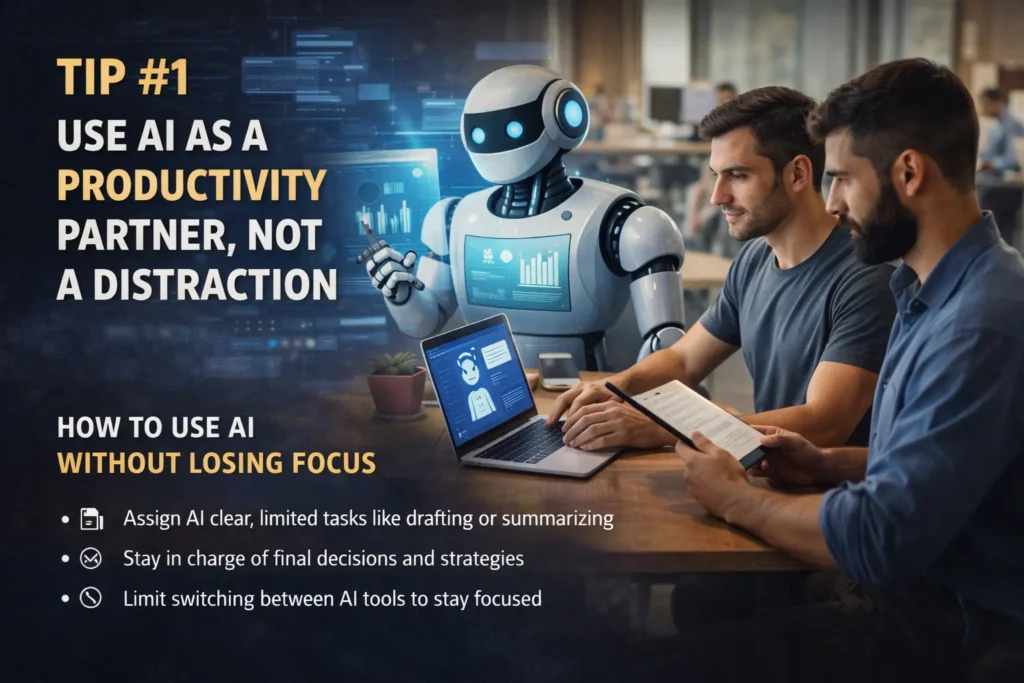
In 2026, AI is everywhere. From writing emails to planning projects, it can save hours if used correctly. The key is to treat AI as a support system, not something that replaces thinking. Productive professionals use AI to reduce repetitive work, organize ideas, and speed up execution. At the same time, they stay in control of decisions. When AI becomes a shortcut for everything, it often creates dependency and mental laziness. Smart productivity comes from using AI intentionally and keeping humans in the driver’s seat.
How to Use AI Without Losing Focus
The best way to use AI is by assigning it clear, limited roles. Let it summarize, research, or draft, but keep the final thinking and strategy human. Avoid jumping between AI tools all day. Pick a few that actually fit your workflow. This approach keeps your focus sharp and prevents AI from becoming another distraction instead of a productivity boost.
Tip #2: Design Your Day Around Energy, Not Time
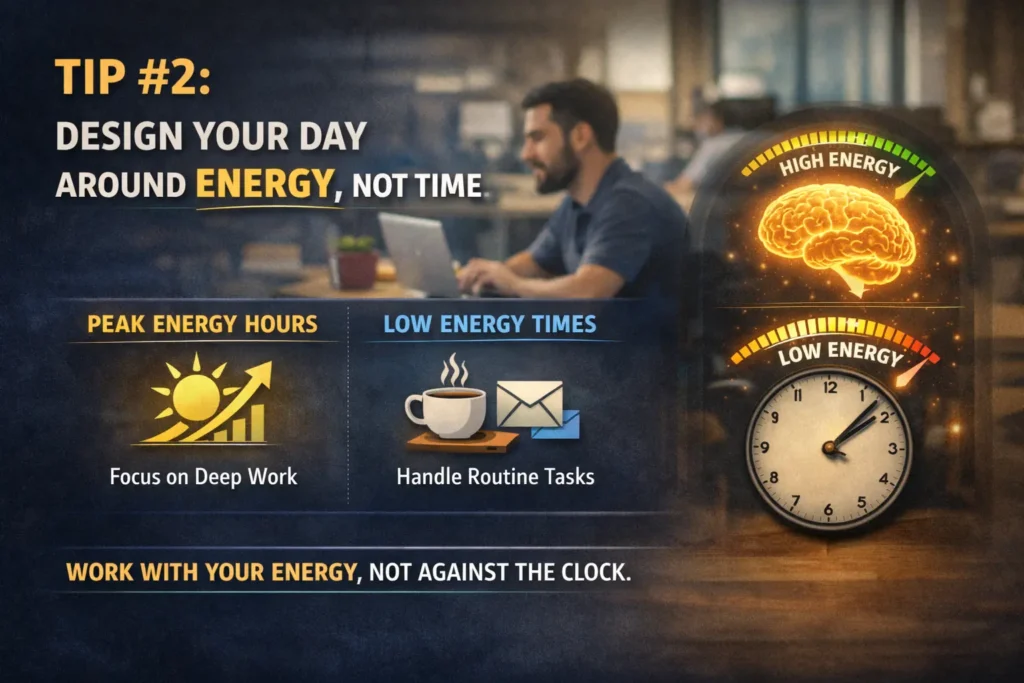
Traditional schedules are built around hours, not energy. In 2026, this approach feels outdated. Productivity improves when you match tasks to your natural energy levels. Some work needs deep focus, while other tasks are more routine. High performers now plan their day based on mental clarity, creativity, and focus rather than strict time blocks. When you respect your energy cycles, you get more done with less stress and fewer mistakes.
Identifying Your Peak Energy Windows
Start by noticing when you feel most focused and alert. For many people, this happens in the morning or early afternoon. Use those hours for deep work, like strategy or problem-solving. Low-energy periods are better for emails, meetings, or admin tasks. This simple shift can dramatically improve daily output.
Tip #3: Master Digital Minimalism in a Hyper-Connected World
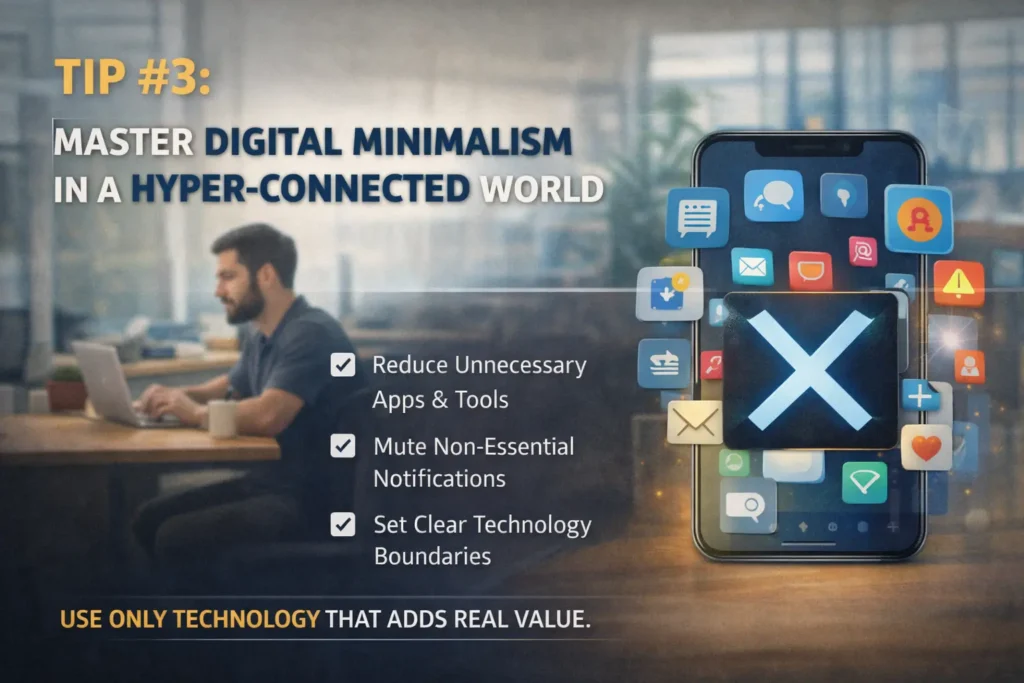
Digital overload is one of the biggest productivity killers in 2026. Notifications, apps, and endless content fight for attention all day. Digital minimalism is about using technology with purpose instead of reacting to it. Productive people reduce unnecessary tools, mute non-essential alerts, and create clear boundaries. The goal is not to quit technology, but to control it. A clean digital environment helps your brain focus on meaningful work instead of constant interruptions.
Creating a Focus-Friendly Digital Setup
Start by removing apps and tools you rarely use. Turn off notifications that are not urgent. Keep your workspace simple, both physically and digitally. Use fewer platforms, but use them well. When your digital space is calm, your mind follows, making it easier to stay focused and productive.
Tip #4: Build Systems, Not Motivation
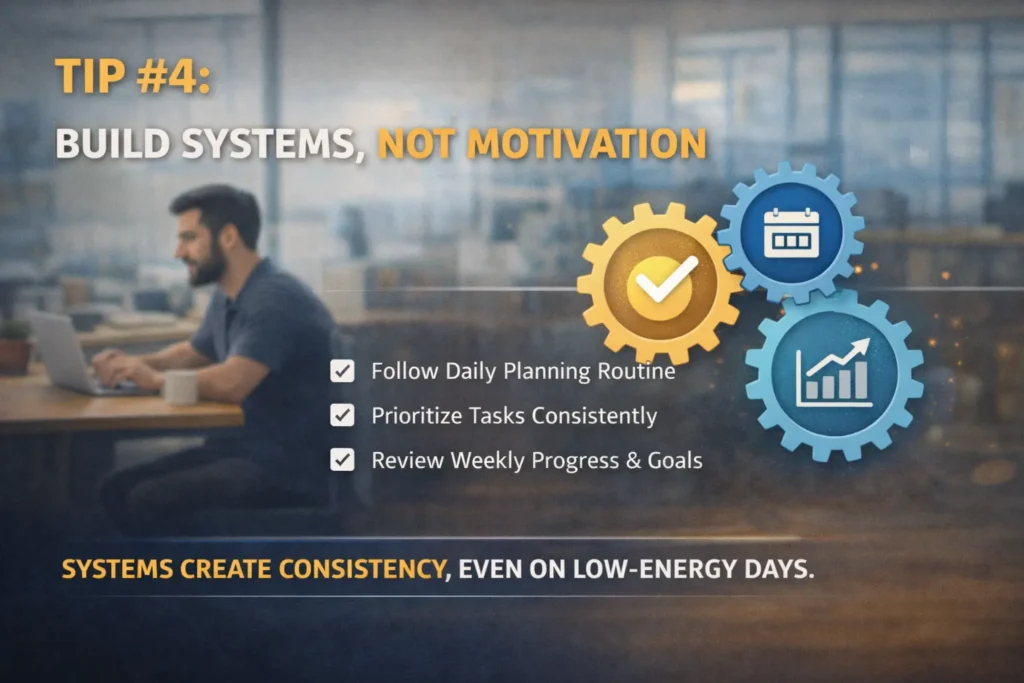
Motivation is unreliable, especially in a fast-paced world. In 2026, the most productive people rely on systems, not feelings. Systems create structure and consistency even on low-energy days. Instead of waiting to feel motivated, they follow simple processes that move work forward. This could be a daily planning routine, a task prioritization method, or a weekly review habit. Strong systems reduce decision fatigue and make productivity automatic.
Simple Productivity Systems That Actually Work
Effective systems are easy to follow and repeat. For example, starting each day with three clear priorities removes confusion. Ending the week with a short review keeps goals aligned. These small systems compound over time and create steady progress without relying on constant motivation.
Tip #5: Prioritize Mental Clarity and Recovery
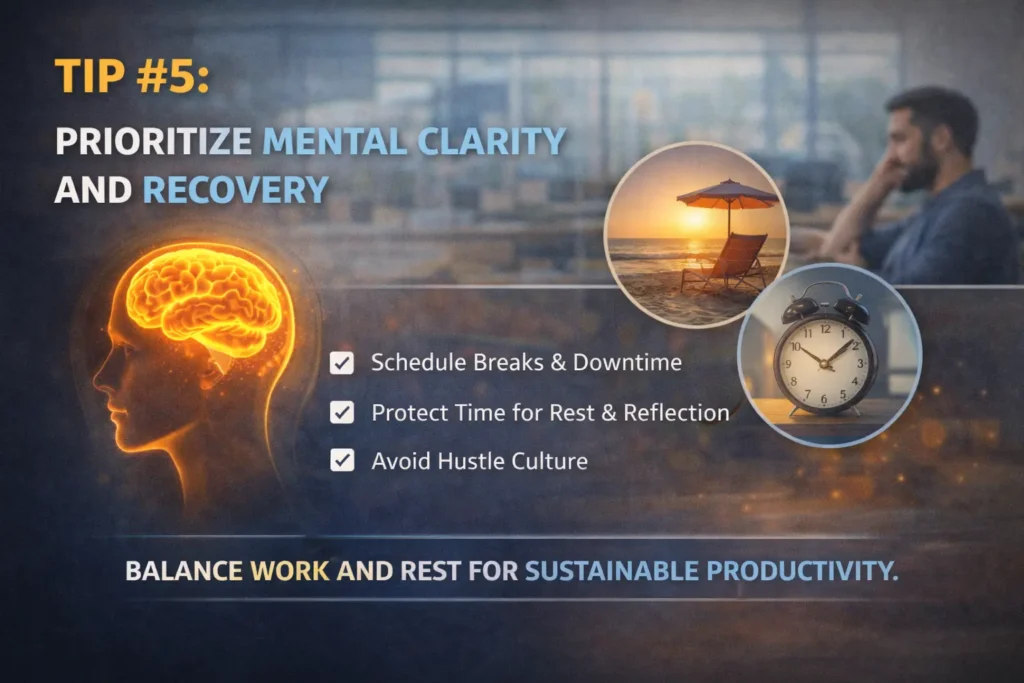
Productivity without recovery leads to burnout. In 2026, mental clarity is just as important as output. High performers now protect their energy by scheduling rest, reflection, and downtime. Mental recovery improves focus, creativity, and decision-making. Taking breaks is no longer seen as a weakness, but as a productivity strategy. Sustainable productivity comes from balancing effort with proper recovery.
Why Rest Improves Long-Term Performance
Rest allows your brain to reset and process information. Short breaks during the day and proper downtime during the week prevent mental overload. When your mind is clear, work feels easier and faster. This leads to better results with less effort over time.
Productivity Trends to Watch in 2026
Productivity trends in 2026 focus on outcomes, not hours. AI-powered workflows, shorter work cycles, and flexible schedules are becoming standard. Companies value results more than constant availability. Personal productivity is also shifting toward mental health, clarity, and sustainable habits. Understanding these trends helps you adapt faster and stay ahead without unnecessary pressure.
Common Productivity Mistakes to Avoid in 2026
Many people still confuse busyness with productivity. Using too many tools, multitasking, and ignoring rest are common mistakes. Hustle culture promotes constant work, but it often leads to burnout. In 2026, real productivity comes from focus, clarity, and intentional work. Avoiding these mistakes can instantly improve how you perform each day.
Conclusion
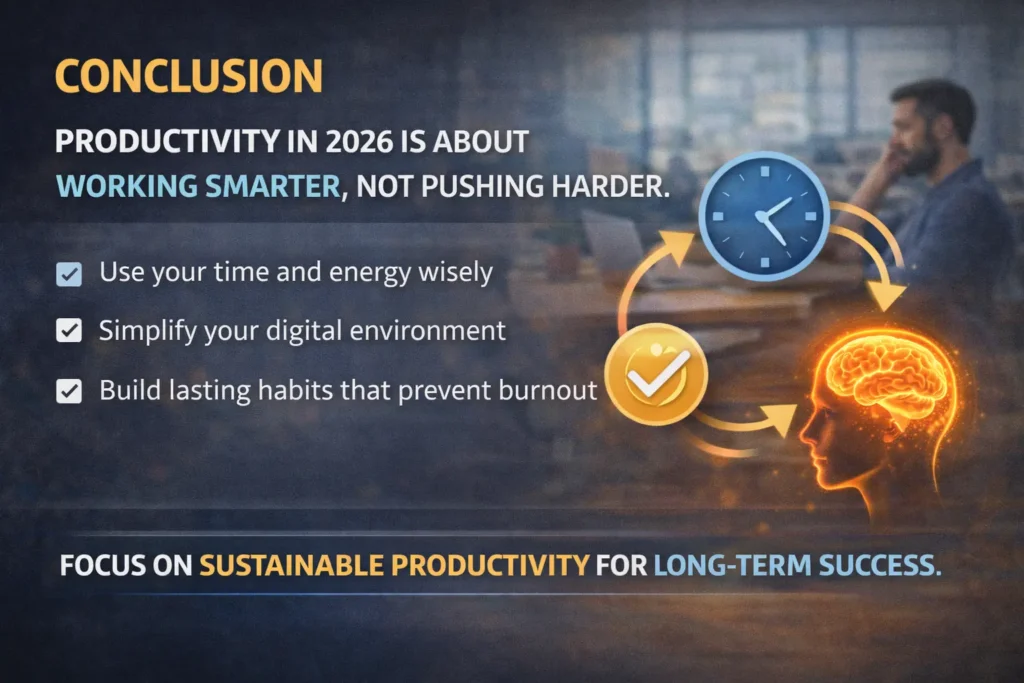
Productivity in 2026 is not about pushing harder. It is about making smarter choices with your time, energy, and attention. By using AI wisely, respecting energy levels, simplifying digital life, building systems, and prioritizing recovery, you can stay productive without burning out. Focus on progress, not perfection, and build habits that support long-term success.
Frequently Asked Questions
What is the best way to stay productive in 2026?
The best way to stay productive in 2026 is to focus on smart systems instead of working longer hours. Using AI for repetitive tasks, planning work around energy levels, and reducing digital distractions all help improve output. Productivity now is more about clarity and focus than constant effort.
How does AI help improve productivity in 2026?
AI helps improve productivity by automating routine work like research, scheduling, and content drafting. When used intentionally, it saves time and mental energy. The key is to use AI as a support tool while keeping human judgment and decision-making in control.
Why is energy-based planning better than time-based planning?
Energy-based planning works better because your focus and mental clarity change throughout the day. Matching high-energy hours with important tasks leads to better results. Time-based schedules ignore how the brain actually works, which often causes fatigue and lower productivity.
What is digital minimalism, and why does it matter?
Digital minimalism is the practice of using technology with purpose instead of reacting to constant notifications. It matters because too many apps and alerts reduce focus. A cleaner digital environment helps you concentrate, think clearly, and get more meaningful work done.
How can I stay productive without feeling burned out?
To stay productive without burnout, you need to prioritize recovery and mental clarity. Taking breaks, setting boundaries, and avoiding hustle culture are essential. Sustainable productivity comes from balancing focused work with proper rest and reflection.
Are productivity systems better than motivation?
Yes, productivity systems are more reliable than motivation. Motivation changes daily, but systems create consistency. Simple routines like daily priorities and weekly reviews help you stay productive even on low-energy days.
✨ Keep up to date with Our Latest Blog @ Tech Statar.