
How Contractors Use BIM Modeling to Reduce Cost Overruns
Cost overruns rarely pop out of nowhere. They typically start as small gaps: an unnoticed soffit, a duct run that wasn’t counted, a corner that needs a good-looking tile. Those small things grow into schedule problems, frustrated subs, and stretched contingency. Contractors who want predictable margins prevent treating estimates as static documents and start treating them as live, statistics-pushed plans. That’s where Building Information Modeling makes an actual distinction.
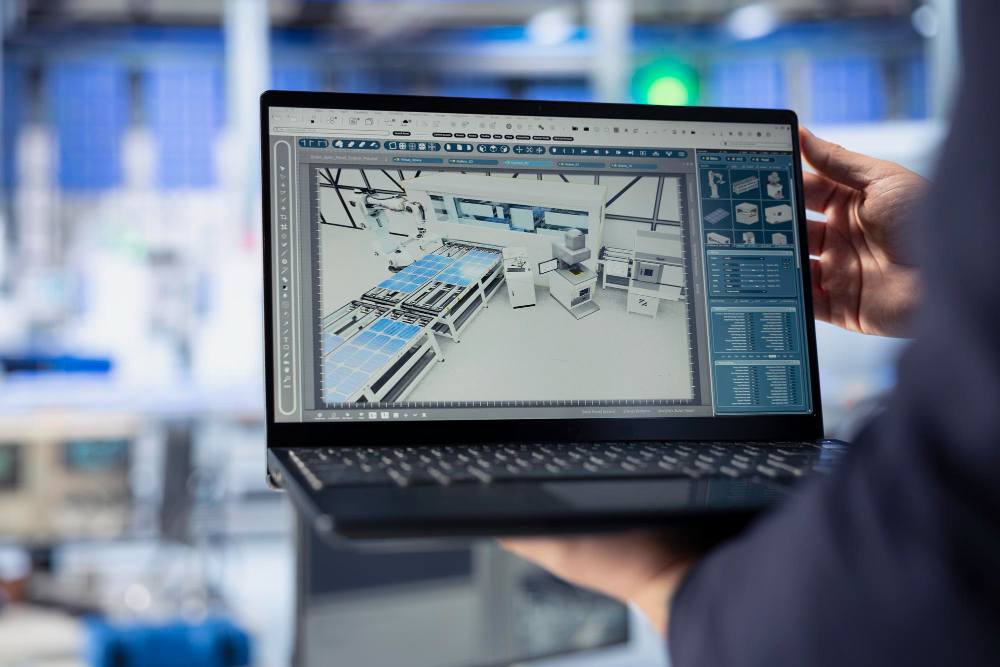
When teams model a project carefully, the geometry becomes a reliable source of truth. Extracted quantities replace hand sketches. Visibility into system conflicts arrives early. That’s the foundation contractors use to prevent the cascade of small issues that otherwise wreck budgets.
Model quality first, not just pretty visuals
A 3D view is nice to show clients. For estimating and control, the model must be disciplined. That means consistent naming, clear units, and attributes that matter for pricing material types, finishes, and thicknesses. When contractors commission robust BIM Modeling Services, they get models that export usable counts instead of requiring a week of cleanup.
At the outset, agree on a short modeling guide: element names, required attributes, LOD expectations, and export formats. Models built to those rules let estimators and procurement teams move quickly and confidently.
Catch conflicts early and keep rework small.
One duct that intersects a beam in the model is fixable in minutes. The same clash discovered on site can cost days, change orders, and overtime. Contractors who use model coordination, not just for show but as a control step, routinely avoid large rework bills.
Regular clash detection points to:
- Routing changes before fabrication.
- Adjusted wall layouts before ordering finishes.
- Removal of ad hoc field fixes that cost more than a little design time.
Those saved hours add up on every project.
Linking quantities to real work
Numbers from a model are helpful only when they’re translated into how crews actually build. That’s the crucial role of Construction Estimating Companies: turning geometry into labor hours, equipment needs, and procurement windows. Estimators will adjust for access, staging, and productivity, things that the model can’t assume.
A workflow that links model outputs to experienced estimators usually follows these steps:
- Extract quantities by trade.
- Map elements to cost codes and assemblies.
- Apply local labor and productivity factors.
- Validate with field foremen before ordering.
This connection reduces the common mismatch where the estimate says one thing and the construction sequence requires another.
Use the model to drive procurement and prefabrication
Order lists derived from the model are more accurate. When fabricators receive validated dimensions and consistent connection details, prefabricated components fit the first time. That reduces waste, shortens installation time, and cuts expedited shipping fees.
Practical procurement steps tied to the model include:
- Exporting validated cut lists for prefabs.
- Batching items for bulk purchase discounts.
- Scheduling deliveries to match installation windows.
- Locking long-lead items early based on modeled quantities.
This approach turns procurement from reactive buying into planned delivery.
💚 You might also like: Top Benefits of Installing Solar Panels for Modern Homes
Change management without chaos
Design and site conditions change. The trick is to measure impact quickly. A model-driven process lets teams update quantities, re-price only the affected lines, and present choices with clear cost and schedule consequences. That capability is a major reason contractors keep contingency small without increasing risk.
A disciplined change process typically looks like:
- Document the model revision.
- Extract deltas and highlight affected packages.
- Have estimators quantify the cost and schedule impact.
- Present options to the owner with pros and cons.
- Implement and update procurement as needed.
This flow keeps surprises visible rather than hidden.
Structured estimating for claims and formal reviews
Some jobs, especially restoration or insurance-driven work, require auditable, standardized breakdowns. In those cases, contractors map their model quantities into formats that reviewers recognize. Using Xactimate Estimations or similar structured systems makes the resulting packet easier to review and less likely to be disputed.
When model accuracy feeds a structured estimate, owners and insurers see both the measurement and the rationale, the geometry and the line items that follow from it. That transparency speeds approvals and reduces contentious adjustments later.
Integrate model work into field workflows.
Models help office teams, but the value multiplies when the field embraces them. Foremen using model views for coordination, delivery points, and sequence checks reduce on-site guessing. Regular short meetings between model coordinators and site supervisors solve many issues before they become expensive.
Small practices that help:
- Weekly model-to-site syncs.
- Model snapshots in submittals and shop drawings.
- Marking changes directly in the model rather than separate PDFs.
The continuity between office and site is what keeps budgets from drifting.
Governance and repeatability of the contractor’s insurance policy
Consistency is as important as tools. Contracts that require modeling standards, a single mapping of model elements to cost codes, and version control for exports reduce the “we priced the wrong drawing” problem. A small governance checklist at kickoff prevents large headaches later.
Key items to enforce:
- A concise modeling standard.
- Versioned mapping files between the model and cost codes.
- Mandatory export tests before major pricing rounds.
- Early estimator involvement in design reviews.
These steps are cheap and yield reliable, repeatable estimating outcomes.
💚 You might also like: Why Integrated Project Coordination Is Critical for Modern Construction Success
Real outcomes contractors report
Firms that adopt this model-driven discipline often see measurable results:
- Fewer and smaller change orders.
- Tighter margins because estimates align with installed costs.
- Faster procurement cycles and less expedited shipping.
- Improved client trust and fewer disputes.
Those benefits show up in cash flow and in smoother project delivery.
Conclusion: the model amplifies judgment, it doesn’t replace it
A model is a powerful tool, but it’s not magic. It makes facts available; estimators and field crews apply judgment. When contractors combine solid BIM Modeling Services with seasoned Construction Estimating Services and use structured outputs like Xactimate Estimating Services when required, they build a workflow that reduces uncertainty. The result: fewer surprises, controlled costs, and projects that finish closer to plan.
FAQs
How early should contractors involve estimators in a BIM workflow?
Get estimators involved during schematic design once core geometry and naming rules are agreed upon. Early estimator input helps shape the model so quantities are clean and priceable.
Does model-based estimating require expensive software for every team member?
Not necessarily. Start with exports in common formats (CSV/IFC) and a simple mapping process. As the workflow proves value, invest in tighter integrations and tools.
Will using models eliminate all cost overruns?
No. Models reduce many avoidable errors and improve predictability, but weather, supply-chain shocks, and unforeseen site conditions still create risk. Good governance and early estimator involvement minimize the avoidable portion.
✨ Smart minds follow smart pages, hit follow on Tech Statar.