


What Is Automotive Technology? Features, Examples & Future Trends
Automotive technology refers to the systems, software, and engineering innovations that power modern vehicles. It goes far beyond engines and wheels. Today, it includes automotive electronics, digital automotive solutions, vehicle automation, and connected car technologies. From engine control units to infotainment systems, automotive technology shapes how vehicles perform, communicate, and keep drivers safe. As vehicle innovation accelerates, smart vehicles and next-generation vehicles are becoming the new standard. This field combines automotive engineering with modern transportation technology to deliver safer, cleaner, and more efficient mobility solutions for everyday driving.
Evolution of Automotive Technology Over the Years
Automotive technology has evolved from purely mechanical machines into intelligent, data-driven systems. Early vehicles focused on basic mobility, but modern cars integrate advanced vehicle systems, automotive electronics, and AI-powered software. Over time, innovations like electronic fuel injection, brake-by-wire, and engine control units transformed performance and safety. Today, automotive technology advancements are driven by connectivity, electrification, and automation. This evolution reflects changing consumer expectations, stricter emission control technology standards, and the demand for smart mobility solutions that improve driving efficiency and comfort.
From Mechanical Vehicles to Smart Cars
The shift from mechanical vehicles to smart vehicles did not happen overnight. It began with the introduction of electronic control systems and gradually expanded into connected cars and autonomous driving features. Technologies like adaptive cruise control, lane keeping assist, and infotainment systems now rely on automotive software and sensors. Brands such as Toyota, BMW, and Mercedes-Benz have played a major role in adopting digital automotive solutions, helping transform vehicles into intelligent platforms rather than simple transportation tools.
How Automotive Technology Works in Modern Vehicles

Modern vehicles operate through a complex interaction of hardware, software, and data. Automotive technology systems rely on sensors, control units, and vehicle AI algorithms to monitor driving conditions in real time. Information flows between ECUs, braking systems, steering control systems, and infotainment units to ensure smooth operation. Connected cars also use V2V and V2I communication to exchange data with other vehicles and infrastructure. This seamless integration allows modern transportation technology to enhance safety, efficiency, and driving comfort simultaneously.
Core Systems Used in Automotive Technology
Automotive technology is built on several core vehicle systems working together as one ecosystem. These include powertrain systems, braking systems, steering control systems, suspension technology, and digital interfaces. Each system is managed by automotive electronics and software to ensure precise control. Advanced vehicle systems also integrate battery management systems, sensors, and connectivity modules. This structure allows modern cars to support features like regenerative braking, adaptive cruise control, and real-time diagnostics, making vehicles smarter and more reliable.
Mechanical, Electrical, and Software Systems Explained
Mechanical systems handle physical movement, electrical systems manage power and signals, while software systems act as the brain of modern vehicles. Automotive software connects ECUs, transmission systems, and safety features into a unified platform. Over-the-air updates allow manufacturers to improve performance without physical changes. This combination of automotive engineering and digital automotive solutions enables continuous innovation, helping vehicles adapt to new automotive technology trends and user expectations over time.
Role of Automotive Technology in Vehicle Performance
Automotive technology plays a direct role in improving vehicle performance, efficiency, and safety. Advanced engine control units optimize fuel usage, while transmission systems adjust power delivery for smoother driving. Features like adaptive suspension technology and brake-by-wire enhance handling and responsiveness. Automotive technology benefits also include reduced emissions, better fuel efficiency improvements, and predictive maintenance. By combining hardware precision with intelligent software, modern vehicles deliver consistent performance across different driving conditions and environments.
Engine Technology in Modern Automobiles
Engine technology has advanced significantly due to automotive engineering innovations and strict emission control technology regulations. Modern engines rely on electronic control units, sensors, and software to optimize combustion and reduce waste. Hybrid cars and electric vehicles are also reshaping how power is generated and delivered. Automotive technology examples like turbocharging, regenerative braking, and smart cooling systems show how performance and sustainability now go hand in hand, especially as manufacturers focus on next-generation vehicles.
👉 You might also like: Balancing AI Autonomy and Human Creativity
Traditional Engines vs Advanced Engine Systems
Traditional internal combustion engines focus on mechanical power, while advanced engine systems integrate electronics and data analytics. Modern engines adjust timing, fuel injection, and airflow using vehicle AI algorithms. Hybrid systems combine electric motors with fuel engines to improve efficiency. Companies like Ford and Volkswagen continue to refine engine designs using automotive technology advancements, ensuring better performance, lower emissions, and smoother driving experiences for modern consumers.
Electric Vehicle Technology in the Automotive Industry
Electric vehicle technology is one of the most important automotive technology advancements shaping modern transportation. Electric vehicles rely on electric motors instead of traditional engines, reducing emissions and improving energy efficiency. These next-generation vehicles use lithium-ion batteries, advanced vehicle systems, and automotive software to deliver smooth and quiet performance. Brands like Tesla and BMW have pushed EV innovation forward by combining vehicle automation with digital automotive solutions. As charging infrastructure expands, electric vehicles are becoming a practical and sustainable transportation option for everyday drivers.
Key Components of Electric Vehicles
Electric vehicles are built around several core components that work together seamlessly. The electric motor generates power, while lithium-ion batteries store energy efficiently. A battery management system monitors temperature, voltage, and charging cycles to protect battery health. Regenerative braking recovers energy during braking, improving range. Automotive electronics and software control power delivery and performance. These components make electric vehicles reliable, efficient, and central to the future of automotive technology in modern cars.
Hybrid and Plug-in Hybrid Automotive Technology
Hybrid automotive technology combines traditional engines with electric motors to balance performance and fuel efficiency. These cars automatically switch between power sources based on driving conditions. Plug-in hybrid vehicles go a step further by allowing external charging, enabling short trips on electric power alone. This automotive technology application reduces fuel consumption and emissions without relying fully on charging networks. Manufacturers like Toyota and Mercedes-Benz use hybrid systems to offer flexible solutions for drivers transitioning toward electric mobility.
Difference Between Hybrid and Plug-in Hybrid Vehicles
The main difference lies in battery size and charging capability. Hybrid vehicles charge internally through regenerative braking, while plug-in hybrids use external fast charging technology. Plug-in hybrids offer longer electric-only ranges and better fuel efficiency improvements. Both systems rely on advanced vehicle systems, battery management systems, and automotive software to operate smoothly. These automotive technology features make hybrids a practical bridge between conventional and fully electric vehicles.
Battery Technology Used in Modern Automotive Systems
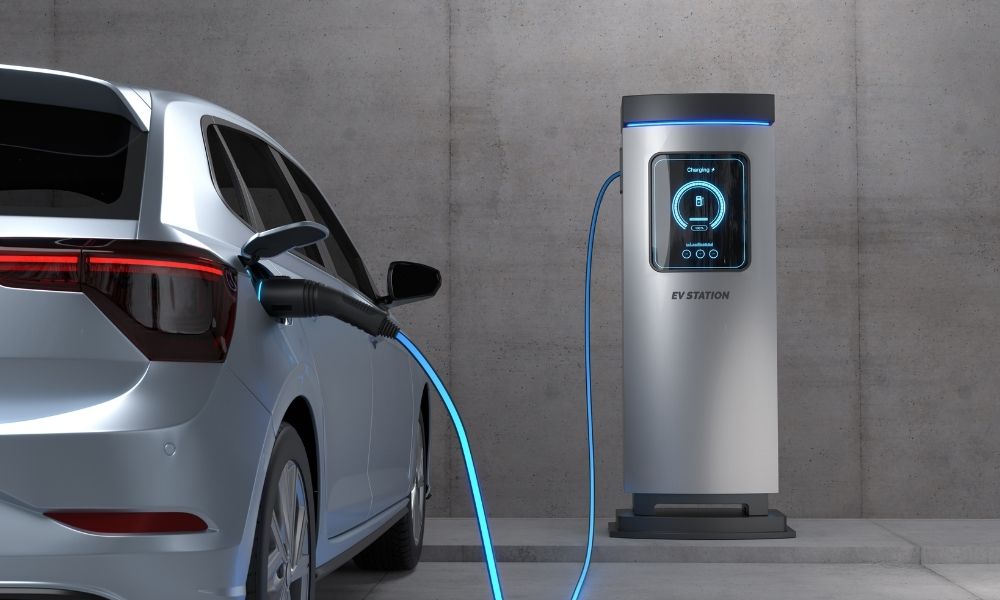
Battery technology is the backbone of electric and hybrid vehicles. Modern automotive technology systems use lithium-ion batteries due to their high energy density and long lifespan. Battery performance directly affects range, charging speed, and overall vehicle efficiency. Automotive engineering improvements continue to enhance safety, durability, and thermal management. With better battery technology, manufacturers can deliver connected cars and smart vehicles that meet real-world driving demands while supporting sustainable transportation goals.
Lithium-Ion Batteries and Energy Storage Solutions
Lithium-ion batteries store and release energy through controlled chemical reactions. A battery management system ensures stable operation by monitoring temperature, charge levels, and voltage. Fast charging technology reduces downtime, making electric vehicles more convenient. Automotive data analytics help manufacturers optimize battery performance over time. These energy storage solutions play a critical role in automotive technology trends and the future of automotive technology worldwide.
Charging Infrastructure and Power Management Systems
Charging infrastructure is essential for widespread electric vehicle adoption. Automotive technology relies on reliable power management systems to handle energy flow between chargers, batteries, and electric motors. Public fast charging technology enables quick top-ups, while home chargers support daily driving needs. Automotive software manages charging efficiency and protects battery health. As infrastructure improves, electric vehicles become more accessible, strengthening modern transportation technology and smart mobility solutions across cities and highways.
Advanced Driver Assistance Systems (ADAS)
Advanced Driver Assistance Systems improve vehicle safety technology by helping drivers avoid accidents and reduce fatigue. ADAS uses sensors, cameras, radar, and automotive electronics to monitor surroundings. Features like adaptive cruise control, lane keeping assist, and collision avoidance systems enhance driving confidence. These automotive technology features are now standard in many modern cars from brands like BMW, Ford, and Volkswagen. ADAS represents a key step toward full vehicle automation and safer roads.
Sensors, Cameras, and Radar Technologies
ADAS relies on sensor fusion, where cameras, radar, and LiDAR work together to create a real-time view of the environment. Cameras detect lanes and traffic signs, radar measures distance and speed, and sensors monitor blind spots. Vehicle AI algorithms process this data instantly. This integration allows advanced vehicle systems to respond quickly, improving safety and positioning automotive technology applications at the core of modern driving experiences.
Autonomous Vehicle Technology Explained
Autonomous vehicle technology aims to reduce human involvement in driving by using automation and artificial intelligence. Self-driving cars rely on vehicle AI algorithms, high-definition maps, and real-time sensor data. Automotive technology advancements enable vehicles to make driving decisions, recognize obstacles, and follow traffic rules. Companies like Tesla and NVIDIA Automotive are investing heavily in autonomous systems, pushing the future of automotive technology toward safer and more efficient transportation models.
👉 You might also like: Telford Taxi: A Fan-Tastic Taxi Service Provider in Telford Which Is Reliable Affordable and Skilled
Levels of Vehicle Automation and Self-Driving Cars
Vehicle automation ranges from driver assistance to full autonomy. Lower levels support steering and speed, while higher levels enable hands-free driving. Advanced Driver Assistance Systems form the foundation for self-driving cars. Vehicle-to-vehicle communication and automotive software improve decision-making accuracy. Understanding these levels helps consumers evaluate automotive technology benefits and recognize how close next-generation vehicles are to full autonomy.
Artificial Intelligence in Automotive Technology
Artificial intelligence plays a central role in modern automotive technology by enabling vehicles to think, learn, and adapt. AI-powered automotive software processes data from sensors, cameras, and connected systems to support real-time decision-making. From predictive maintenance to collision avoidance systems, vehicle AI algorithms improve safety and efficiency. Automotive technology trends show AI becoming essential for smart vehicles and next-generation vehicles. As manufacturers like Tesla and Bosch invest in AI, vehicles continue to evolve into intelligent mobility platforms.
AI-Powered Decision Making in Vehicles
AI-powered systems analyze driving behavior, traffic conditions, and environmental data instantly. These systems help vehicles adjust speed, steering, and braking with precision. Advanced vehicle systems use AI to support lane-keeping assist, adaptive cruise control, and driver monitoring. Automotive data analytics further refine performance over time. This intelligent decision-making capability strengthens automotive technology applications and delivers safer, more reliable driving experiences.
Connectivity and Smart Vehicle Technology
Connectivity has transformed vehicles into digital platforms rather than isolated machines. Connected cars rely on automotive electronics, IoT in automotive, and cloud-based automotive software to share data. Smart vehicle technology supports navigation, diagnostics, and real-time updates. Vehicle innovation now depends heavily on seamless connectivity, enabling modern transportation technology to deliver personalized and efficient driving experiences. Brands like Mercedes-Benz and BMW continue to expand connected car ecosystems across their vehicle lineups.
Vehicle-to-Vehicle and Vehicle-to-Infrastructure Communication
Vehicle-to-Vehicle and Vehicle-to-Infrastructure communication allow cars to exchange information with nearby vehicles and road systems. V2V helps prevent accidents by sharing speed and location data, while V2I connects vehicles to traffic signals and road conditions. These technologies support vehicle automation and traffic efficiency. As smart mobility solutions grow, connected communication becomes a critical component of automotive technology systems.
Infotainment Systems and In-Car Digital Experience
Infotainment systems enhance the in-car experience by combining entertainment, navigation, and communication into one interface. Modern systems support voice commands, touchscreens, and smartphone integration. Automotive technology features like real-time traffic updates and personalized settings rely on automotive software. Infotainment also acts as a hub for connected cars, making driving more enjoyable and intuitive. As consumer expectations rise, infotainment continues to shape automotive technology in modern cars.
Cybersecurity Challenges in Automotive Technology

As vehicles become more connected, automotive cybersecurity has become a major concern. Connected cars collect and transmit sensitive data, making them potential targets for cyber threats. Automotive technology systems must protect communication channels, software, and user data. Manufacturers use encryption, secure gateways, and continuous monitoring to reduce risks. Automotive cybersecurity ensures trust in digital automotive solutions and supports the safe adoption of advanced vehicle systems across global markets.
Data Protection and Vehicle Security Measures
Vehicle security measures focus on protecting onboard systems and external connections. Secure authentication, encrypted communication, and intrusion detection systems help prevent unauthorized access. Over-the-air updates allow manufacturers to fix vulnerabilities quickly. Automotive software security plays a vital role in maintaining vehicle safety technology and protecting users from emerging cyber risks in connected environments.
Software-Defined Vehicles and OTA Updates
Software-defined vehicles rely on automotive software rather than hardware alone to deliver features and performance. Over-the-air updates allow manufacturers to add functions, improve efficiency, and fix issues remotely. This approach reduces maintenance costs and extends vehicle lifespan. Automotive technology advancements in software enable continuous innovation, making vehicles more adaptable and future-ready. Brands like Tesla and Volkswagen have led the shift toward software-centric vehicle design.
Importance of Software in Modern Cars
Software controls everything from engine management to infotainment and safety systems. Automotive software integrates ECUs, sensors, and connectivity features into a unified platform. OTA updates ensure vehicles stay up to date with the latest automotive technology trends. This flexibility allows manufacturers to respond quickly to user needs and regulatory changes, strengthening long-term vehicle performance.
Sustainable and Eco-Friendly Automotive Technology
Sustainability is a driving force behind modern automotive technology. Manufacturers focus on reducing emissions, improving fuel efficiency, and using eco-friendly materials. Electric vehicles, hybrid cars, and regenerative braking support sustainable transportation goals. Automotive engineering innovations help lower environmental impact while maintaining performance. As governments enforce stricter regulations, sustainable automotive technology becomes essential for long-term mobility solutions.
Green Materials and Emission Reduction Technologies
Green materials such as recycled plastics and lightweight composites reduce vehicle weight and emissions. Emission control technology improves air quality and compliance with regulations. Automotive technology applications like energy-efficient powertrains and smart manufacturing support eco-friendly production. These efforts position the automotive industry as a key contributor to sustainable transportation and smart mobility solutions.
👉 You might also like: Tech Giants Envision a Future Beyond Smartphones Explained
Automotive Manufacturing and Industry 4.0
Automotive manufacturing has embraced Industry 4.0 through automation, robotics, and data-driven processes. Smart factories use automotive data analytics and IoT to improve efficiency and quality control. Advanced vehicle systems benefit from precise manufacturing techniques. Companies like Ford and Bosch automotive technology use digital tools to streamline production. This transformation supports faster innovation and consistent quality in modern vehicles.
Automation, Robotics, and Smart Factories
Automation and robotics improve accuracy and reduce production errors. Smart factories monitor equipment performance in real time, enabling predictive maintenance. Automotive engineering teams use digital twins and simulations to optimize designs. These technologies enhance productivity and support the rapid adoption of automotive technology advancements across global manufacturing facilities.
Safety Innovations Driven by Automotive Technology
Safety innovations remain a core focus of automotive technology development. Features like collision avoidance systems, adaptive cruise control, and brake-by-wire reduce accident risks. Advanced vehicle systems continuously monitor driving conditions to support safer decision-making. Automotive technology benefits include reduced fatalities and improved driver confidence. As technology evolves, safety systems become more intelligent and proactive.
Regulatory Standards and Compliance in Automotive Technology
Automotive technology must comply with strict safety, environmental, and data protection regulations. Regulatory standards ensure vehicles meet performance and emission requirements. Automotive engineering teams work closely with regulators to integrate compliance into vehicle design. These standards protect consumers and encourage responsible innovation across the automotive industry.
Challenges Facing the Automotive Technology Industry
Despite rapid progress, automotive technology faces challenges such as high development costs, cybersecurity risks, and infrastructure limitations. Integrating advanced vehicle systems requires skilled labor and continuous investment. Manufacturers must balance innovation with affordability. Addressing these challenges is essential for the sustainable growth of automotive technology applications worldwide.
Future Trends in Automotive Technology in 2026
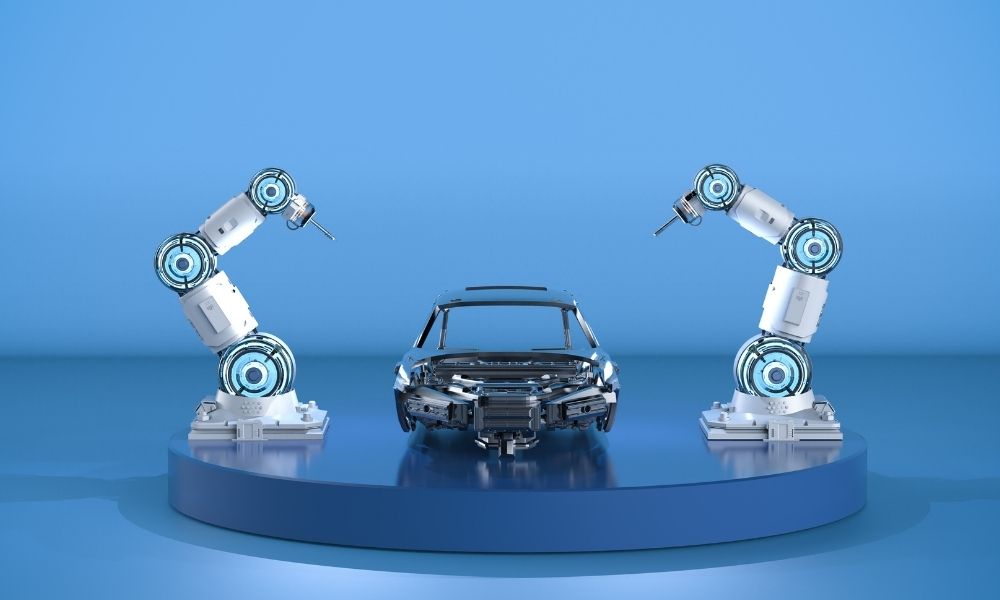
The future of automotive technology focuses on automation, electrification, and connectivity. Autonomous vehicles, smart mobility solutions, and AI-driven systems will shape next-generation vehicles. Automotive technology trends suggest greater personalization, efficiency, and sustainability. As technology advances, vehicles will become more integrated with digital ecosystems and urban infrastructure.
What the Next Generation of Vehicles Will Look Like
Next-generation vehicles will feature advanced automation, seamless connectivity, and cleaner power systems. Vehicle innovation will prioritize user experience, safety, and sustainability. Automotive technology advancements will continue to redefine how people move, making transportation smarter and more efficient.
Impact of Automotive Technology on Consumers
Automotive technology has transformed the driving experience by improving safety, comfort, and convenience. Consumers benefit from connected cars, efficient powertrains, and intelligent assistance systems. Automotive technology examples show how innovation enhances daily mobility while reducing environmental impact. These benefits increase consumer trust and adoption of modern vehicles.
Career Opportunities in Automotive Technology
The growth of automotive technology has created demand for skilled professionals. Careers span automotive engineering, software development, data analytics, and cybersecurity. As vehicles become more digital, expertise in advanced vehicle systems becomes essential. This field offers long-term opportunities in a rapidly evolving industry.
Skills and Education Required for Automotive Tech Careers
Successful professionals need knowledge of automotive engineering, electronics, and software systems. Skills in AI, data analytics, and cybersecurity are increasingly valuable. Continuous learning helps professionals stay relevant as automotive technology evolves. Education and hands-on experience open doors to diverse career paths in modern transportation technology.
Conclusion:
Automotive technology is no longer optional; it is essential for modern mobility. From electric vehicles to autonomous systems, innovation continues to reshape transportation. As automotive technology advancements accelerate, the industry moves toward a smarter and more sustainable future.
Frequently Asked Questions (FAQs)

What is automotive technology in simple terms?
Automotive technology refers to the systems and innovations that make modern vehicles smarter, safer, and more efficient. It includes automotive electronics, software, vehicle automation, and advanced vehicle systems. From engine control units to connected car features, automotive technology helps vehicles perform better, reduce emissions, and improve the overall driving experience.
How is automotive technology used in modern cars?
Automotive technology in modern cars is used to control performance, safety, connectivity, and comfort. Systems like Advanced Driver Assistance Systems, infotainment systems, and battery management systems rely on automotive software and electronics. These technologies support features such as adaptive cruise control, lane keeping assist, and real-time navigation, making driving safer and more convenient.
What are the latest automotive technology trends?
Some of the latest automotive technology trends include electric vehicles, autonomous driving, connected cars, and software-defined vehicles. Automotive technology advancements also focus on AI-powered safety systems, fast charging technology, and smart mobility solutions. These trends are shaping the future of automotive technology and transforming how people use vehicles.
What are examples of automotive technology?
Common automotive technology examples include electric vehicles, hybrid cars, regenerative braking, collision avoidance systems, and over-the-air updates. Other examples include vehicle-to-vehicle communication, digital infotainment systems, and advanced engine control units. These technologies improve vehicle performance, safety, and efficiency.
How does automotive technology improve vehicle safety?
Automotive technology improves safety through systems like Advanced Driver Assistance Systems, brake-by-wire, and steering control systems. Features such as adaptive cruise control, lane keeping assist, and collision avoidance systems help prevent accidents. Automotive technology also uses sensors and AI to monitor surroundings and support safer driving decisions.
What is the future of automotive technology?
The future of automotive technology focuses on automation, electrification, and connectivity. Autonomous vehicles, smart vehicles, and sustainable transportation solutions will become more common. Automotive technology trends suggest increased use of AI, automotive data analytics, and digital automotive solutions to improve mobility and reduce environmental impact.
How does automotive technology support electric vehicles?
Automotive technology supports electric vehicles through lithium-ion batteries, battery management systems, and fast charging technology. Automotive software manages energy flow, while regenerative braking improves efficiency. These systems allow electric vehicles to deliver reliable performance and support sustainable transportation goals.
What skills are required for a career in automotive technology?
A career in automotive technology requires knowledge of automotive engineering, electronics, and software systems. Skills in AI, data analytics, cybersecurity, and vehicle automation are increasingly valuable. Continuous learning is important as automotive technology evolves rapidly with new innovations.
What are the benefits of automotive technology for consumers?
Automotive technology benefits include improved safety, better fuel efficiency, enhanced comfort, and reduced emissions. Connected cars, smart infotainment systems, and advanced safety features make driving more enjoyable and reliable. These benefits encourage consumer adoption of modern and next-generation vehicles.
Why is automotive technology important for sustainable transportation?
Automotive technology is essential for sustainable transportation because it supports electric vehicles, hybrid systems, and emission control technology. Innovations like regenerative braking and energy-efficient powertrains reduce environmental impact. As a result, automotive technology helps create cleaner and smarter mobility solutions for the future.
✨ Keep up to date with Our Latest Blog @ Tech Statar.