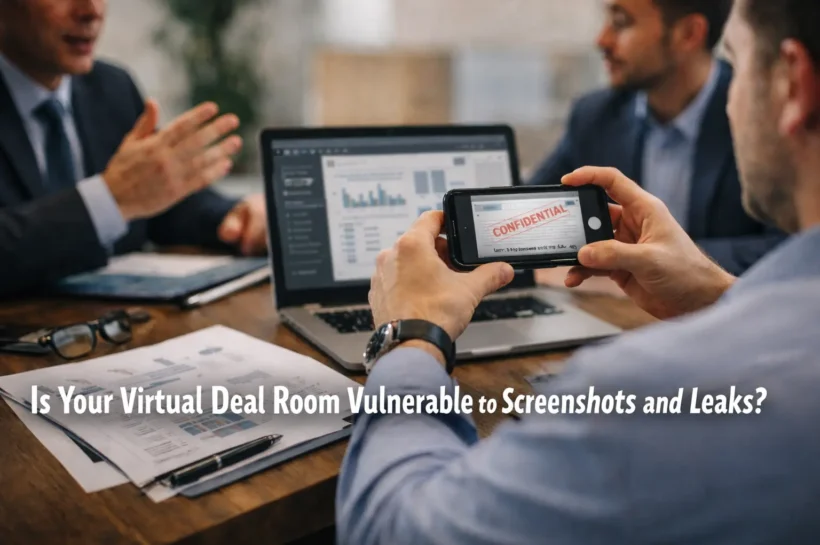

Is Your Virtual Deal Room Vulnerable to Screenshots and Leaks?
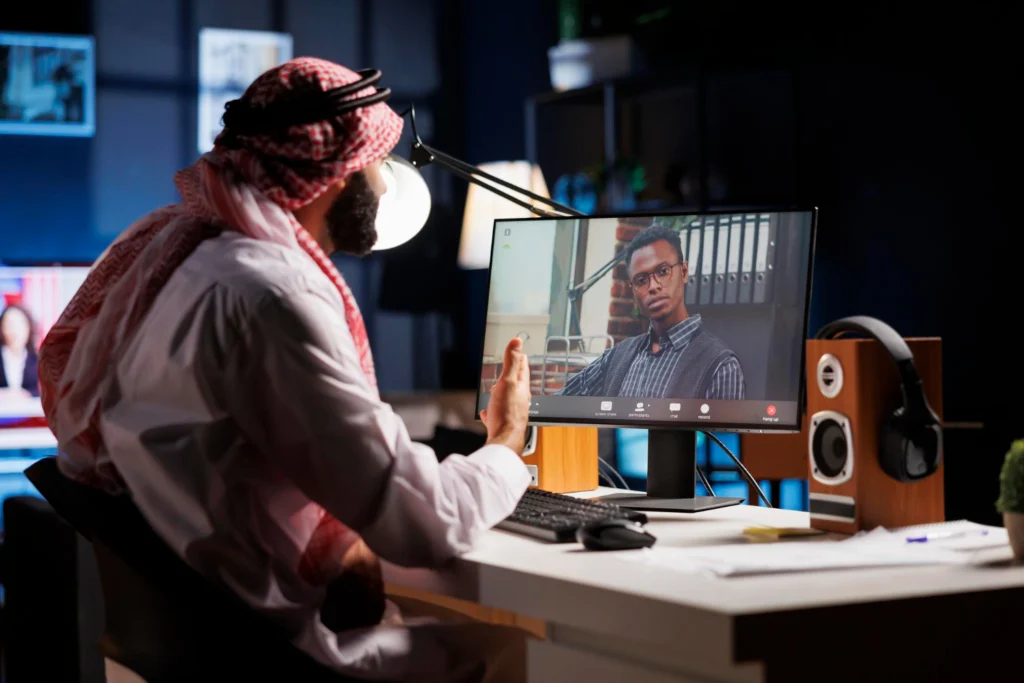
In the world of high-stakes mergers and acquisitions, the security of confidential documents is paramount. Virtual deal rooms (VDRs) are designed to protect sensitive information during these transactions. However, are they truly impervious to the simplest form of data theft, screenshots?
Understanding the Risks: Screenshots and Data Leakage in VDRs
Virtual deal rooms have transformed the way companies manage mergers, acquisitions, and other confidential business activities. They centralize document sharing, streamline workflows, and provide audit trails. Despite these advanced features, one vulnerability remains: the human element.
Screenshots are a straightforward yet effective method to capture sensitive information. Unlike hacking or phishing, they require no technical expertise. A single click can create a digital copy of confidential documents, which can then be shared or leaked. This risk is often underestimated in VDR security assessments.
Data leakage through screenshots is not just a theoretical risk. In 2022, a major pharmaceutical deal was compromised when an employee took unauthorized screenshots of clinical trial data and shared them with a competitor. The incident delayed regulatory approvals and resulted in significant financial losses.
Why Screenshots Are Hard to Prevent
Most VDRs focus on preventing unauthorized access through encryption, multi-factor authentication, and permission settings. However, once a user has legitimate access, controlling what they do with that information becomes challenging.
Operating systems and devices inherently allow users to capture screenshots. Even if a VDR disables right-click or copy-paste functions, it cannot stop someone from using the Print Screen key, third-party screenshot tools, or simply taking a photo with a smartphone.
This creates a paradox: the very openness that facilitates collaboration also opens doors to leaks. Organizations must recognize that technical controls alone cannot eliminate the risk. They need to implement comprehensive training programs that educate users about the implications of data leakage and the importance of safeguarding sensitive information. By fostering a culture of security awareness, companies can empower their employees to be vigilant and responsible with the data they handle.
Organizations should consider employing watermarking technology on sensitive documents shared within VDRs. Watermarks can serve as a deterrent against unauthorized sharing by visibly marking documents with the user’s identity or a timestamp, making it clear who accessed the information. This not only discourages screenshotting but also aids in tracing the source of any potential leaks, thus enhancing accountability among users. As the landscape of data security continues to evolve, a multifaceted approach that combines technology, training, and user accountability will be essential in mitigating the risks associated with data leakage in virtual deal rooms.
👉 You might also like: Use AI Game Development Apps to Build a Game Without Coding
Assessing Your VDR’s Vulnerability: Key Questions to Ask
Before assuming your virtual deal room is secure, consider these critical questions:
- Does the VDR have built-in screenshot detection or prevention? Some platforms offer watermarking or screenshot alerts, but these are not foolproof.
- Are access permissions granular and regularly reviewed? Limiting document access to only those who absolutely need it reduces exposure.
- Is there real-time monitoring of user activity? Logs that track downloads, views, and unusual behavior can help identify potential leaks early.
- Are users educated about the risks and policies regarding data handling? Human error or malicious intent often drives leaks, so training is essential.
Answering these questions honestly can reveal gaps in your current setup. For example, a 2023 survey found that 38% of companies using VDRs had no formal policy addressing screenshot risks, leaving them vulnerable.
Watermarking and Its Limitations
Watermarking documents with user-specific information is a common deterrent. If a leak occurs, the watermark of the document can help trace the source. However, watermarks do not prevent the initial capture; they only aid in post-incident investigations.
Savvy users can crop or edit watermarks out of screenshots, especially if the watermark is subtle. Thus, watermarking should be part of a broader security strategy rather than a standalone solution.
Strategies to Mitigate Screenshot Risks in Virtual Deal Rooms
While no system can guarantee absolute security, combining technology, policy, and culture can significantly reduce the risk of leaks.
1. Implement Dynamic Watermarking
Dynamic watermarks that include the user’s name, email, IP address, and timestamp make it harder to share screenshots anonymously. These watermarks should be visible on every page and adjust in real-time based on user activity.
This approach not only deters unauthorized sharing but also provides a clear audit trail if a leak occurs.
2. Use Screen Capture Prevention Technologies
Some VDR providers offer advanced tools that detect and block screenshot attempts on supported devices. For example, mobile apps can disable screen capture features, and browser extensions can restrict screenshot functionality.
However, these technologies have limitations. They often require specific environments and can be bypassed with external devices like cameras. Still, they add an extra layer of defense worth considering.
3. Enforce Strict Access Controls and Session Management
Limiting document access to the minimum necessary, combined with session timeouts and IP restrictions, reduces exposure. Multi-factor authentication adds another barrier to unauthorized entry.
Regularly reviewing and updating permissions ensures that only current, authorized users can access sensitive materials.
4. Conduct User Training and Awareness Programs
Educating users about the consequences of leaks and the importance of compliance is crucial. Training should cover company policies, legal implications, and practical tips to avoid accidental disclosures.
Human behavior often undermines technical safeguards. Encouraging a culture of security mindfulness can close this gap.
5. Monitor and Audit User Activity Continuously
Real-time monitoring tools can flag unusual behaviors such as excessive downloads, off-hours access, or attempts to bypass restrictions. Automated alerts enable quick responses to potential threats.
Periodic audits help identify patterns and vulnerabilities that might otherwise go unnoticed.
Preparing for the Worst: Incident Response and Damage Control
Even with the best precautions, leaks can happen. Having a clear incident response plan minimizes damage and speeds recovery.
👉 You might also like: Balancing AI Autonomy and Human Creativity
Key Elements of an Effective Response Plan
- Immediate containment: Revoke access for suspected users and secure the VDR environment.
- Investigation: Use audit logs and watermark data to identify the source and scope of the leak.
- Communication: Inform stakeholders promptly and transparently to maintain trust.
- Legal action: Pursue remedies against violators if appropriate.
- Review and improve: Analyze how the breach occurred and update policies and technologies accordingly.
Companies that prepare in advance can respond decisively, reducing reputational harm and financial losses.
Final Thoughts: Balancing Security and Usability
Virtual deal rooms are indispensable for modern business transactions, but their security depends on more than just encryption and passwords. Screenshots and leaks remain a persistent threat that demands attention.
By understanding the risks, asking tough questions, and implementing layered defenses including watermarking, access controls, user training, and monitoring, organizations can better protect their sensitive data.
Security is a continuous process, not a one-time fix. Staying vigilant and adaptable is the best way to ensure your virtual deal room remains a fortress, not a liability.
✨ Got value? Let’s keep the momentum, follow Tech Statar.